
Pimples are a universal frustration, tempting many to take matters into their own hands by squeezing, picking, or popping. While it may seem like a quick fix, dermatologists warn that this common habit can worsen skin issues, leading to scarring and other complications. Understanding the science behind the condition and how to manage it properly is crucial for those battling acne. Discover everything you need to know about popping pimples safely and effectively. Tips, risks, and when to seek professional advice to maintain healthy skin.
Popping Pimples: The Science Behind Acne
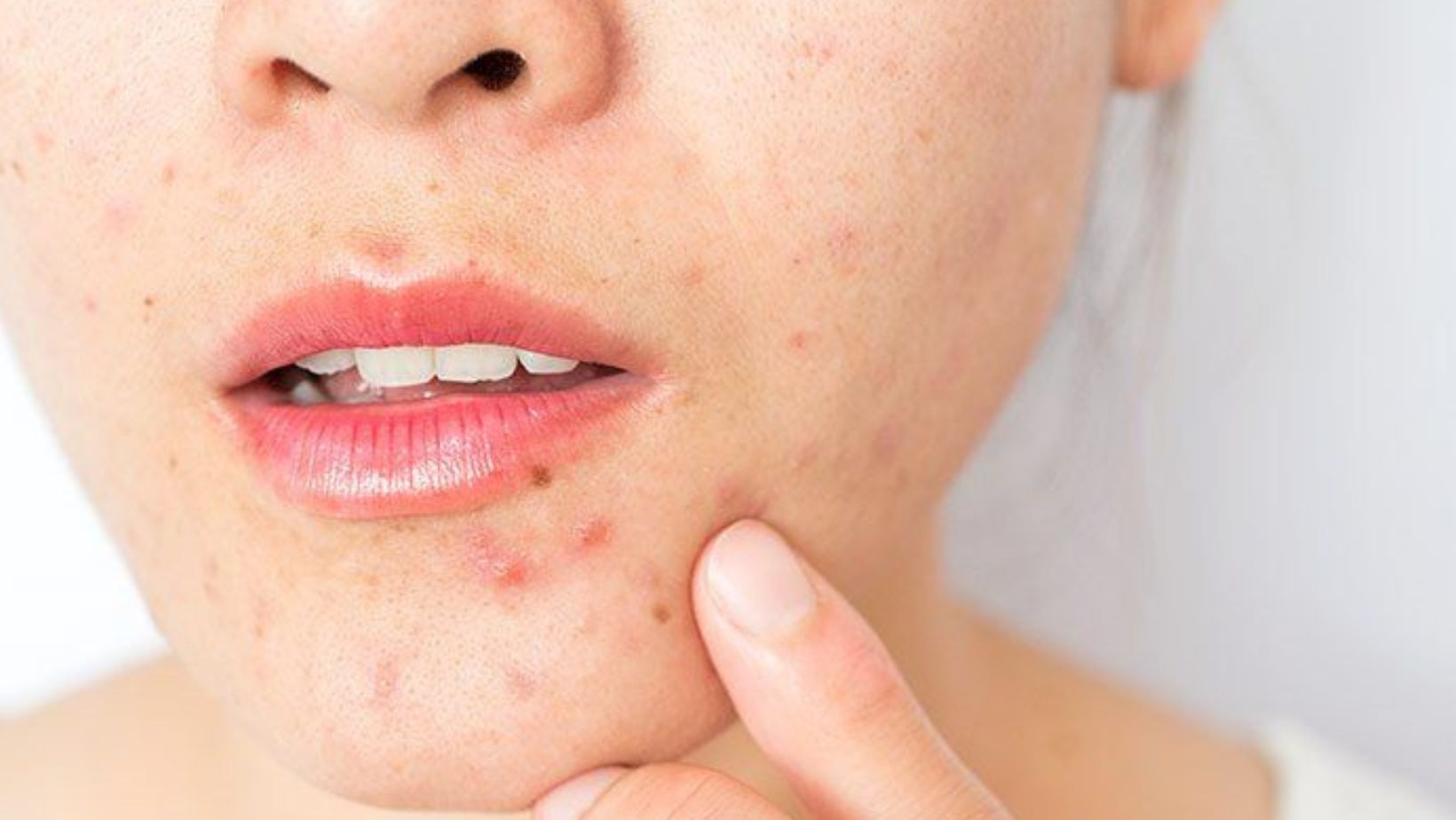
Acne is one of the most common inflammatory skin conditions, affecting more than 80% of teenagers and even some adults. It often begins with the sebaceous glands, which produce oil (sebum) to lubricate the skin and hair. When these glands become inflamed, pimples can form.
Contrary to older theories, acne is no longer thought to result from the buildup of dead skin cells in hair follicles. Instead, it’s now recognized as a primarily inflammatory skin disorder.
Pimples are small “bags” containing oil, bacteria, and inflammation beneath the skin. When these bags are squeezed, the contents are often pushed deeper into the surrounding skin, exacerbating inflammation. This can lead to infection, temporary skin discoloration, or permanent scarring.
Why Popping Pimples Can Make Things Worse

Dermatologists liken squeezing a pimple to “breaking the seal” on a pressurized bag of inflammation. While it may temporarily release some of the contents, squeezing often spreads the bacteria and oil to nearby skin, creating an even more significant problem.
Scarring is one of the most concerning outcomes of popping pimples. While most pimples resolve within a week or two without intervention, the damage caused by improper handling can last a lifetime. Scarring, unlike the pimple itself, is permanent.
If a pimple feels especially large or painful, dermatologists recommend seeking professional help. Doctors can safely remove the contents of a pimple or administer anti-inflammatory injections to reduce swelling within a day.
Managing Acne Safely

For those dealing with regular acne, prevention is key. Here are some dermatologist-approved tips:
- Follow a low-glycemic diet. A diet low in sugar and rich in nuts, legumes, fish, fruits, and vegetables may help reduce acne. While evidence linking milk consumption to acne is inconclusive, keeping a food diary to track potential triggers can be helpful.
- Be gentle with your skin. Excessive scrubbing, cleansing, or exfoliating can irritate the skin and worsen acne. Use oil-free, non-comedogenic cleansers, moisturizers, and sunscreens to keep your skin clean and hydrated.
- Choose the right hair products. Silicone-based hair products are less likely to contribute to acne than greasy formulations, which can transfer oil to the skin and clog pores.
Popping Pimples: When to See a Dermatologist
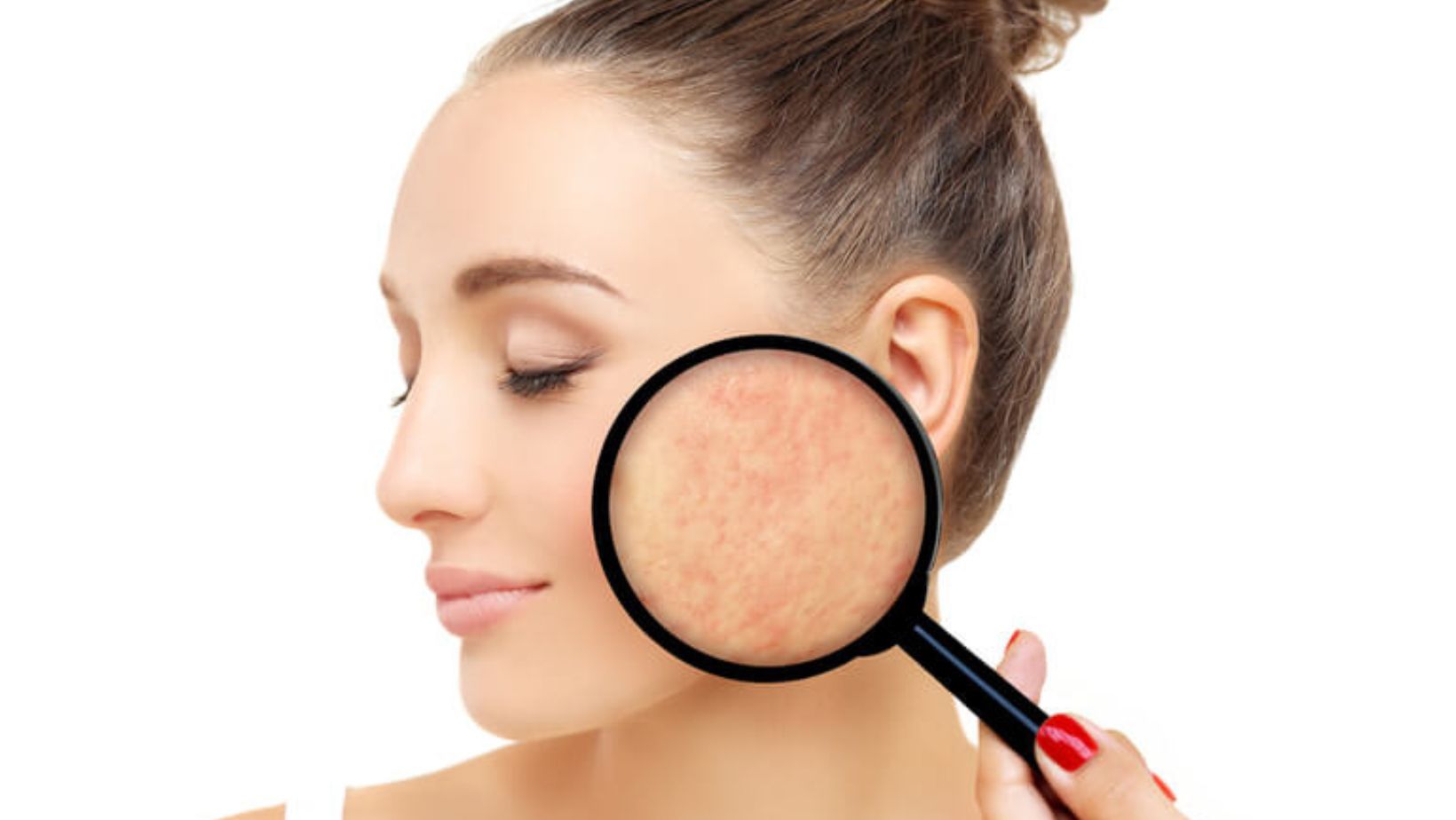
If acne is a persistent problem, consulting a dermatologist is the best action. Dermatologists can provide customized treatment plans, including prescription creams, oral medications, or safe procedures for severe cases.
The urge to pop a pimple can be strong, but resisting it is often the best thing you can do for your skin. By managing acne with professional advice, gentle skincare, and a healthy lifestyle, you can reduce breakouts and avoid long-term damage to your skin. Expert help is just a consultation away for those dealing with stubborn acne.
Reference: Acne in women Br J Dermatol 2015 Jul:172 Suppl 1:20-6. Doi: 10.1111/bjd.13638.

