
University of Pittsburgh Study Shows Promise for Inflammatory Skin Conditions. A new approach to Rosacea Treatment and other inflammatory skin conditions generates excitement among scientists and dermatologists.
Researchers from the University of Pittsburgh have discovered a compound, SYM2081, that may help prevent symptoms like itching, hives, and redness by targeting overactive mast cells. Their findings, published in Science Translational Medicine, could pave the way for a new generation of topical treatments.
Mast Cells: The Inflammatory Culprit and Rosacea Treatment

Mast cells, essential for the body’s immune defense, can also become the root cause of allergic reactions and inflammatory conditions when they malfunction. Packed with histamine and other inflammatory triggers, these cells release their contents through degranulation, leading to symptoms such as swelling, redness, and itching. While this immune response is helpful in certain situations—like neutralizing bee venom or fighting bacteria—it can spiral out of control in skin conditions like rosacea, eczema, and urticaria.
“Currently, there aren’t a lot of good therapies that target mast cells,” said senior author Daniel Kaplan, M.D., Ph.D., professor of dermatology and immunology at Pitt. “Our approach could have huge benefits for many skin conditions, including rosacea, eczema, and mastocytosis.”
The Role of SYM2081 in Calming Inflammation

The researchers tested a compound called SYM2081, or 4-methylglutamate, which activates a glutamate receptor called GluK2 found primarily on mast cells. SYM2081 effectively suppressed mast cell activity and reduced inflammation in mouse models and human skin samples by triggering this receptor.
The compound significantly reduced skin inflammation and other disease markers when applied as a topical cream to mice before inducing rosacea- or eczema-like symptoms. According to Kaplan, this suggests the potential for a daily cream to treat symptoms and prevent flare-ups in people with inflammatory skin conditions.
Addressing Unmet Needs in Rosacea Treatment

Rosacea, a chronic skin condition that can cause redness, facial flushing, and acne-like bumps, has long lacked effective treatments for some of its most persistent symptoms. “Many existing therapies are antibiotic-based and only target some symptoms,” Kaplan explained. “There are no good therapies for flushing, which is a significant unmet need. Our study suggests that suppressing mast cells by activating GluK2 could reduce the flushing associated with rosacea.”
Next Steps: From Lab to Clinical Trials
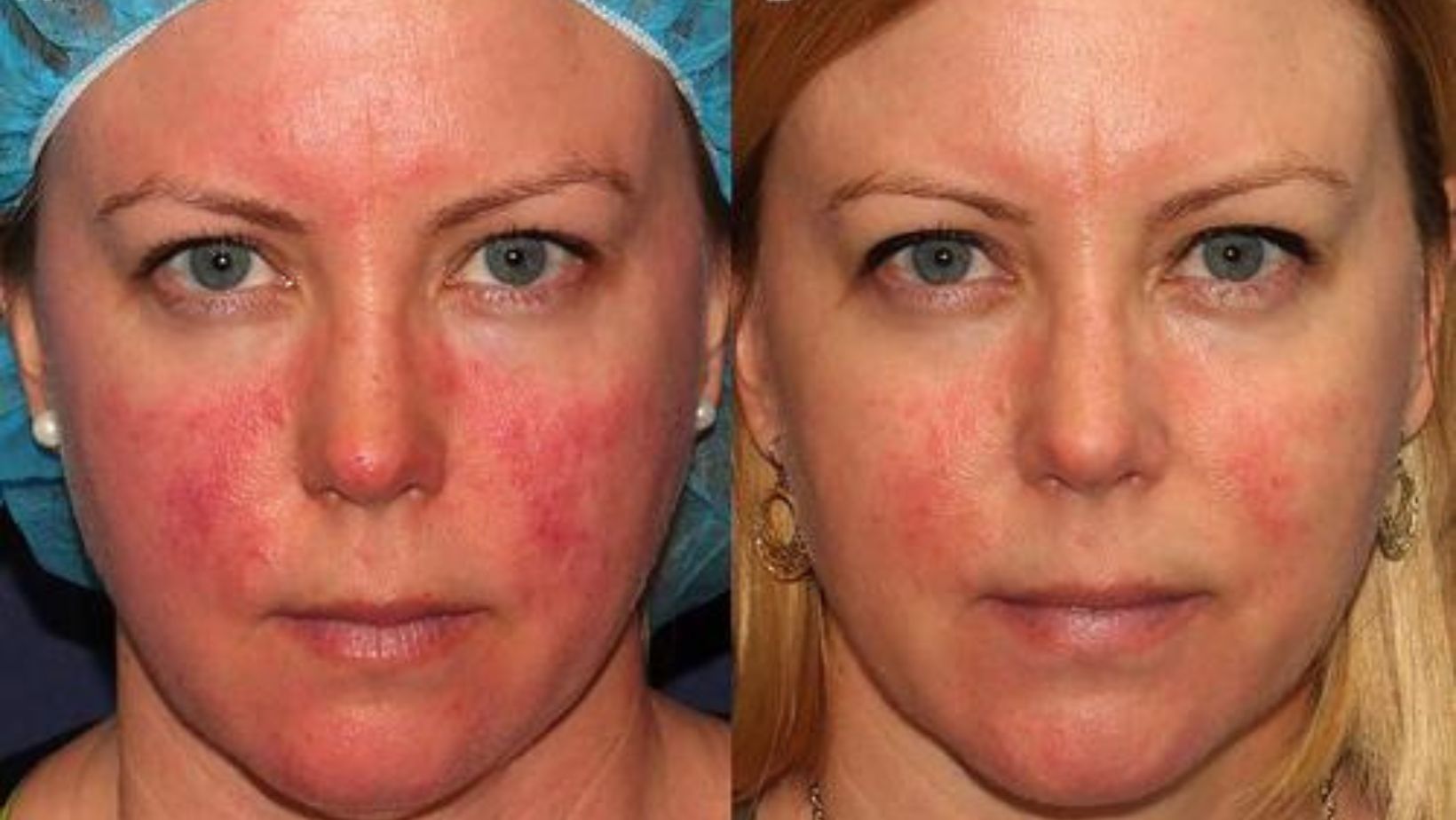
With proof-of-concept established, the research team is working to refine GluK2-activating compounds for potential clinical use. They’ve also applied for a patent through the Pitt Office of Innovation and Entrepreneurship. If future studies and clinical trials confirm their findings, this approach could transform the treatment landscape for rosacea and other mast cell-driven conditions.
This breakthrough brings hope to millions who struggle with chronic skin conditions. With further development, SYM2081 may soon become a cornerstone of targeted, effective skincare solutions.
Reference: Youran R. Zhang, Swapnil Keshari, Kazuo Kurihara, James Liu, Lindsay M. McKendrick, Chien-Sin Chen, Yufan Yang, Louis D. Falo, Jishnu Das, Tina L. Sumpter, Daniel H. Kaplan. Agonism of the glutamate receptor GluK2 suppresses dermal mast cell activation and cutaneous inflammation. Science Translational Medicine, 2024

