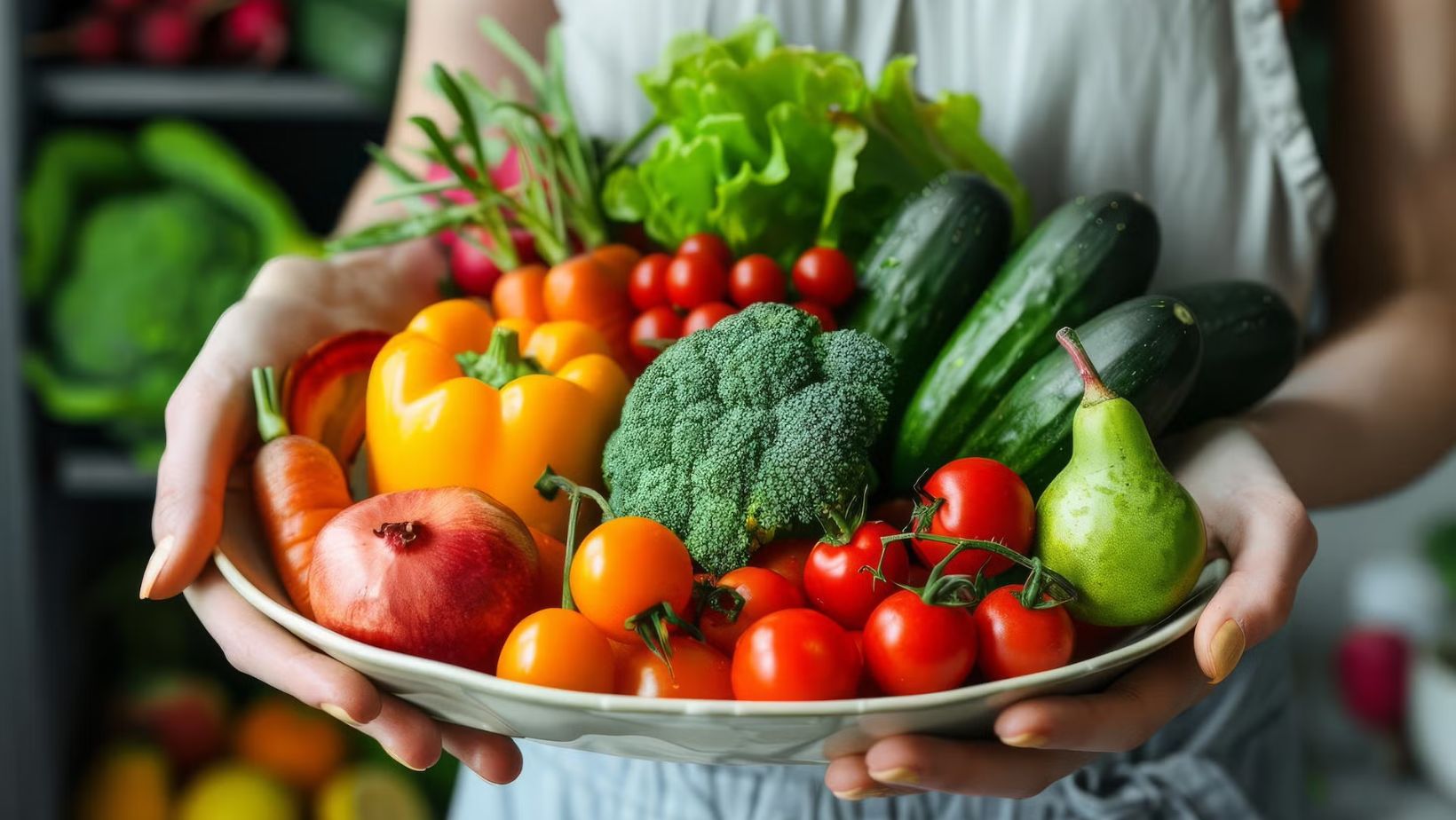
A new study has uncovered a universal truth about Healthy Gut: whether you’re vegan, vegetarian, or an omnivore, the secret to a thriving gut microbiome lies in eating a wide variety of plant-based foods. The findings emphasize the decisive role of diet in shaping the trillions of microbes that live in our digestive systems and influence our overall health.
How Gut Microbes Impact Your Health: Healthy Gut
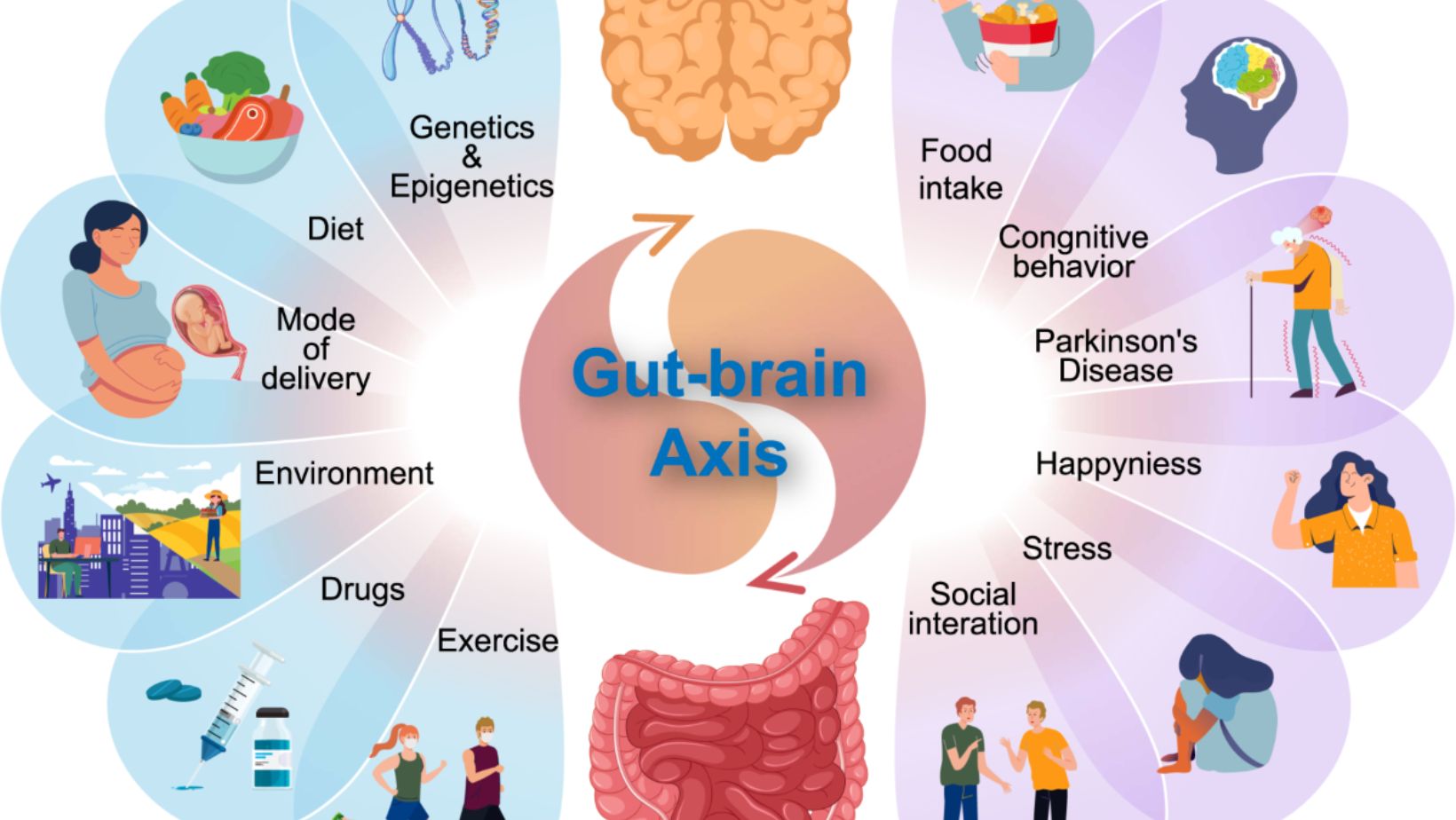

Our gut microbiome is home to trillions of microbes that break down food our bodies can’t digest. In doing so, they produce chemical messengers that affect everything from blood sugar levels to immune system function. These messengers can support or undermine your health, depending on what you eat.
Nicola Segata, a professor at the University of Trento in Italy, sums it up: “The microbiome modulates the effect of diet on our health. It decides our health status.” Segata and an international team of researchers analyzed stool samples from over 21,000 people across the U.S., U.K., and Italy. Participants provided detailed accounts of their diets, which allowed the researchers to study how different eating habits shaped gut bacteria.
Plant Diversity is Key to Better and Healthy Gut

The study found a clear trend: the more diverse a person’s plant-based diet, the healthier their gut microbiome. Vegans, unsurprisingly, had the highest levels of “good” bacteria associated with reduced inflammation and more muscular immune systems. On the other hand, omnivores tended to have more bacteria linked to meat digestion, which was also associated with a higher risk of inflammatory bowel disease and colon cancer.
However, there was good news for meat eaters. Omnivores who ate a large variety of plant-based foods had microbiomes similar to vegans, suggesting that adding more fruits, vegetables, whole grains, and legumes to your diet can significantly improve gut health—even if you don’t cut out meat entirely.
“Omnivores who were eating a large diversity of vegetables were quite similar in having the good microbes compared to vegans,” Segata said.
Small Changes, Big Impact: How to Eat for Your Gut
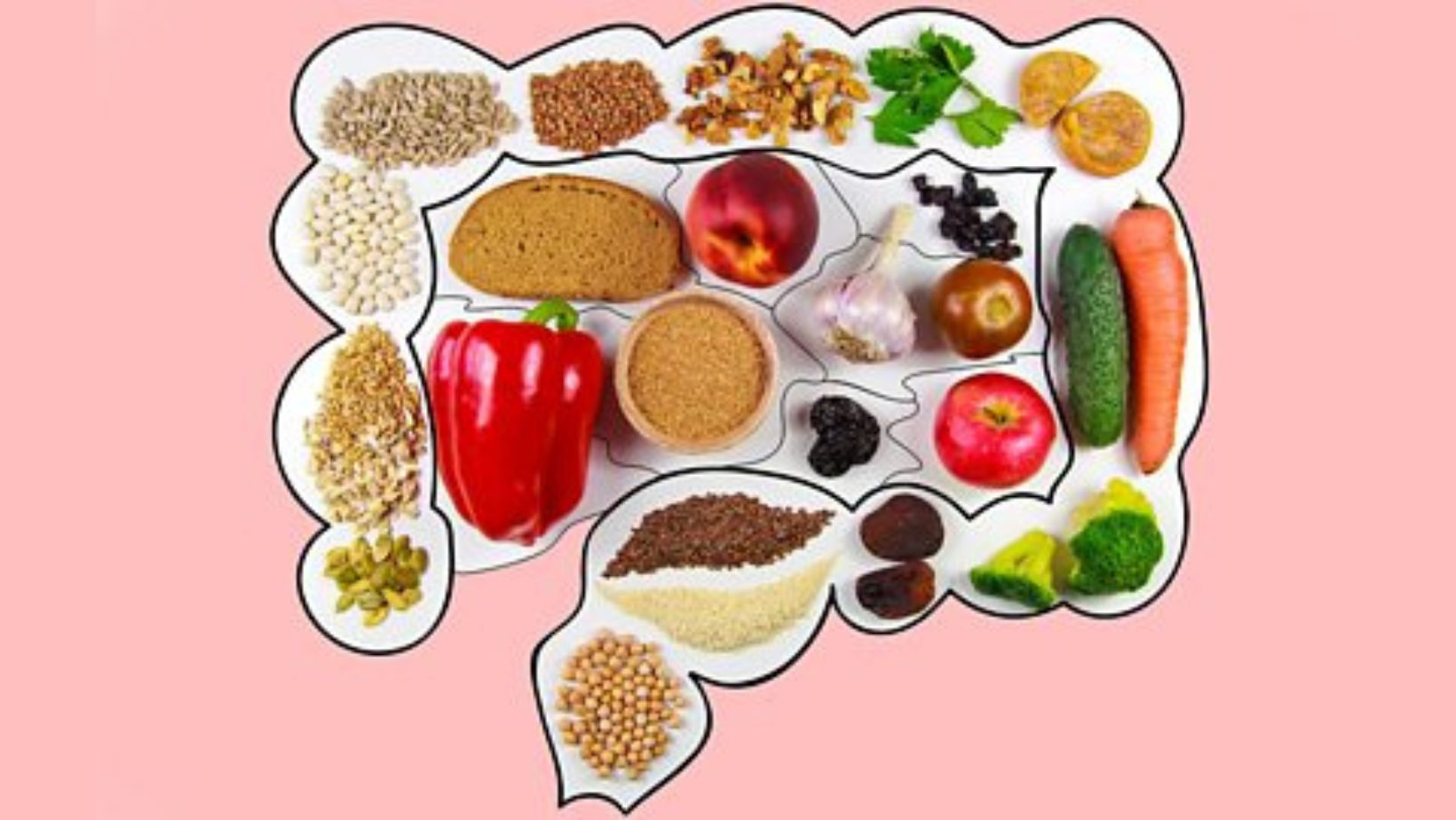
Hannah Holscher, a nutrition and microbiome expert at the University of Illinois, stresses that the overall quality of your diet matters more than strictly following a vegan or vegetarian lifestyle. Her advice? “Eat the rainbow.” Add colorful fruits and vegetables like tomatoes, kale, blueberries, and butternut squash to your meals. She also recommends fiber-rich foods such as whole grains, nuts, seeds, and legumes, which feed the good bacteria in your gut.
For those overwhelmed by the idea of eating 30 different plant-based foods a week (as recommended by a 2018 study), Holscher suggests setting a more straightforward goal: aim for five different plant-based foods per day. “Consider making bean or lentil soups with lots of vegetables or mixing up some pears or berries in your salad,” she says.
Dietician Shana Spence adds that budget-friendly options, like frozen fruits and vegetables, are just as nutritious as fresh produce. Seeds—such as chia, flax, or pumpkin—are another easy and affordable way to boost fiber intake. “They’re so great to throw in yogurt, oatmeal, and cereals in the morning,” Spence says.
The Bottom Line: Add More Plants to Your Plate
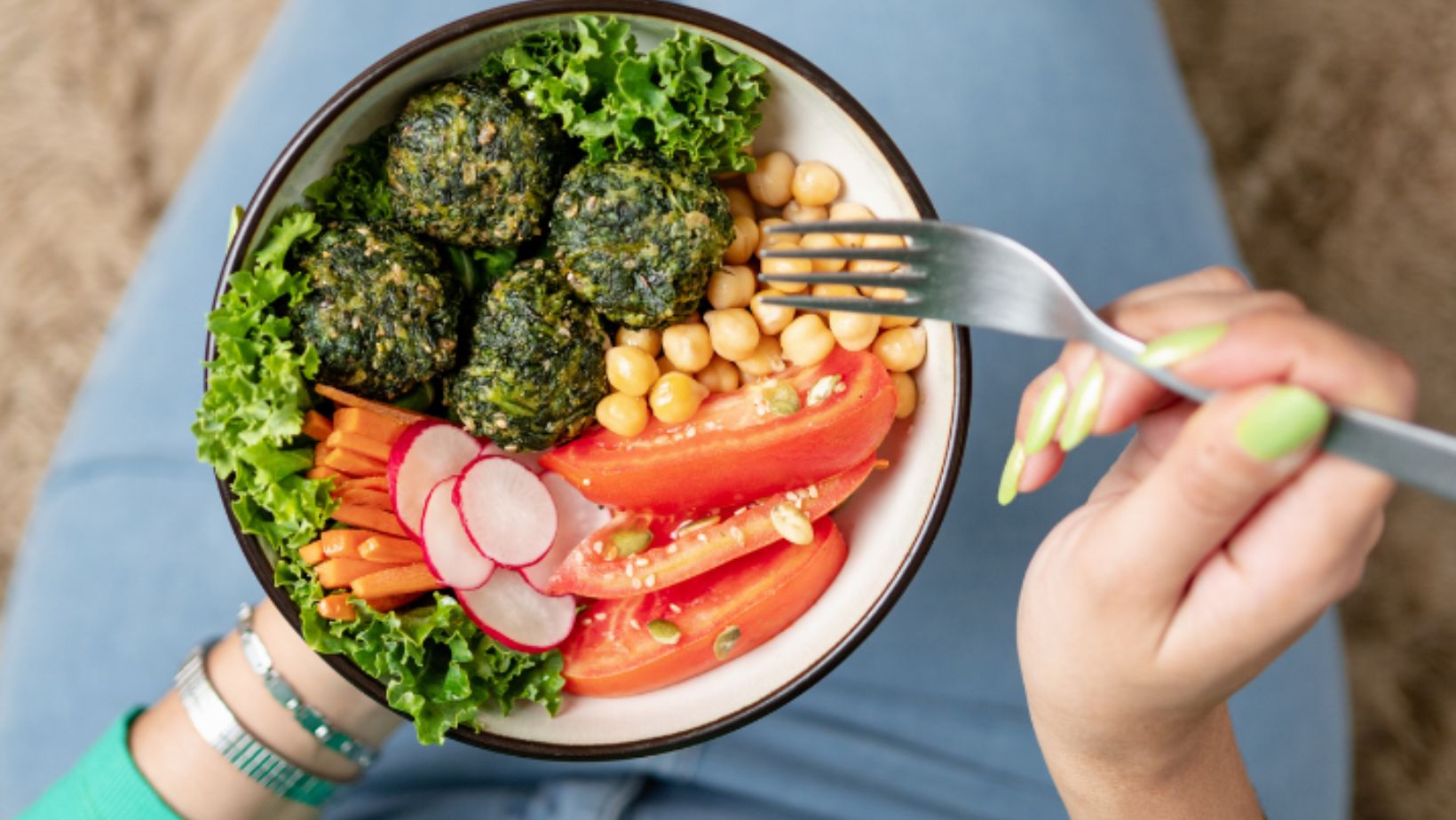
The message is clear: a healthier gut is just a few plants away. Instead of restricting certain foods, consider healthy eating a matter of addition. Whether you’re a vegan, vegetarian, or meat eater, increasing the diversity of plant-based foods in your diet can lead to better gut health and overall well-being. So, next time you’re planning your meals, think variety, think fiber, and think plants—your gut will thank you.
Reference: Afshin, A. et al. Health effects of dietary risks in 195 countries, 1990–2017: a systematic analysis for the Global Burden of Disease Study 2017. Lancet 393, 1958–1972 (2019).