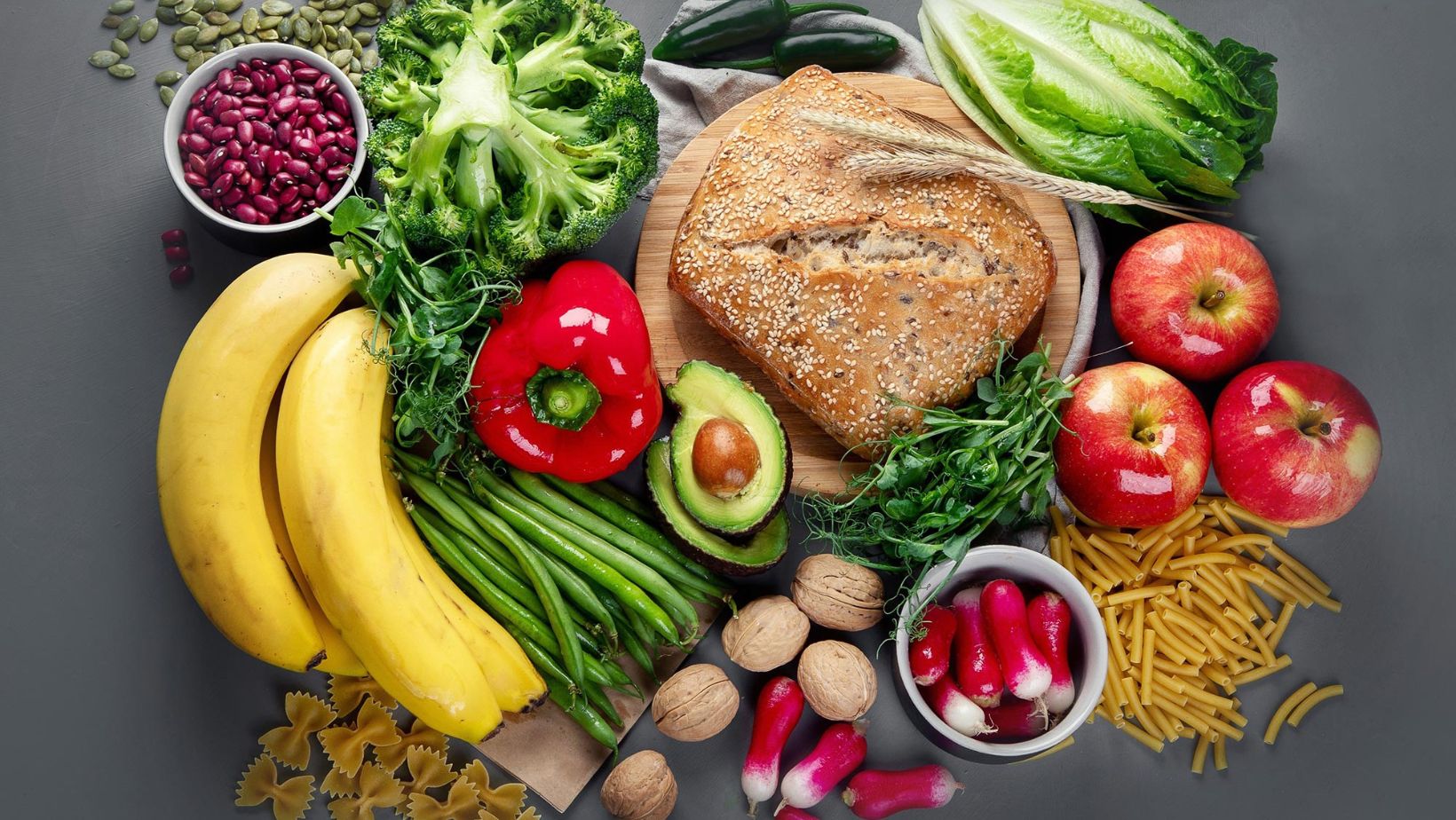
Fiber is well-known as an essential component of a healthy diet, critical for gut health, preventing constipation and cancer, and supporting weight management. However, only about 10% of Americans consume enough fiber daily. Research shows that as few as 1 in 20 people meet the recommended 14 grams per 1,000 calorie intake.
A new study highlights even more compelling reasons to include fiber-rich foods in your diet. Scientists have discovered that byproducts of fiber digestion, created by gut bacteria, can alter gene expression in ways that may reduce the risk of cancer.
The Role of Gut Bacteria and Fiber Digestion to Cancer


Dietary fiber, the indigestible part of plant foods, plays a unique role in human health. At the same time, the human body cannot digest fiber, so the gut microbiome—comprising trillions of bacteria and microorganisms—breaks it down. This process produces short-chain fatty acids (SCFAs) like propionate and butyrate, which are linked to a range of health benefits, including immune regulation and inflammation control.
The new study examined how these SCFAs interact with human cells, focusing on both healthy cells and colon cancer cells. Researchers discovered that propionate and butyrate influence genes that regulate cell growth, differentiation, and programmed cell death (apoptosis). These processes are vital for preventing the uncontrolled cell growth that characterizes cancer.
Dr. Ünlüişler, one of the researchers, explained that butyrate plays a particularly significant role in targeting cancer cells. “It blocks enzymes called histone deacetylases (HDACs), leading to changes in DNA packaging that can slow cancer cell growth or even trigger their death,” he noted.
Cautious Optimism From Experts

While the findings are promising, experts urge caution, as the research was conducted on isolated cells and mice. A human nutrition expert, Dr. Eamon Laird, commented, “This is a comprehensive cell study, but it’s still on the lower end of the evidence pyramid. Large-scale observational studies and randomized controlled trials are needed before we can translate these findings into real-life recommendations.”
Dr. Laird also highlighted questions about the broader applicability of the results, especially for people with conditions like Crohn’s disease, who may struggle with high-fiber diets. “There’s a lot more to investigate,” he said.
How to Boost Fiber Intake

Despite the uncertainties, the link between fiber and overall health remains clear. Americans consume about 17 grams of fiber daily—far below the recommended amount. For those looking to increase their intake, nutritionists suggest incorporating more plant-based foods into meals. Great sources of fiber include:
- Fruits like avocados, apples, and pears
- Nuts and seeds
- Vegetables such as sweet potatoes, broccoli, and legumes
- Whole grains like brown rice and bulgur wheat
Dr. Ünlüişler summed up the findings by reinforcing the importance of fiber-rich diets. “Eating enough fiber increases SCFA production in the gut, which may support healthy gene regulation and potentially prevent colorectal cancer. It’s a clear reminder of how closely diet and health are intertwined.”
This study offers exciting possibilities for future research, further connecting nutrition, gut health, and disease prevention. Until then, experts suggest Americans focus on meeting their daily fiber requirements—a simple step with the potential for significant long-term benefits.
Reference: Ball, H. et al. Lysine propionylation and butyrylation are novel post-translational modifications in histones. Mol. Cell. Proteom. 6, 812–819 (2007).