A new study published in The FASEB Journal reveals that inadequate maternal nutrition during pregnancy can lead to long-term genetic changes in offspring, increasing their risk for various health issues. The research conducted at the University of Utah provides strong evidence that an unborn child’s environment—particularly the nutrients received from the mother—can shape their health trajectory before birth.
How Poor Maternal Nutrition Alters Gene Expression
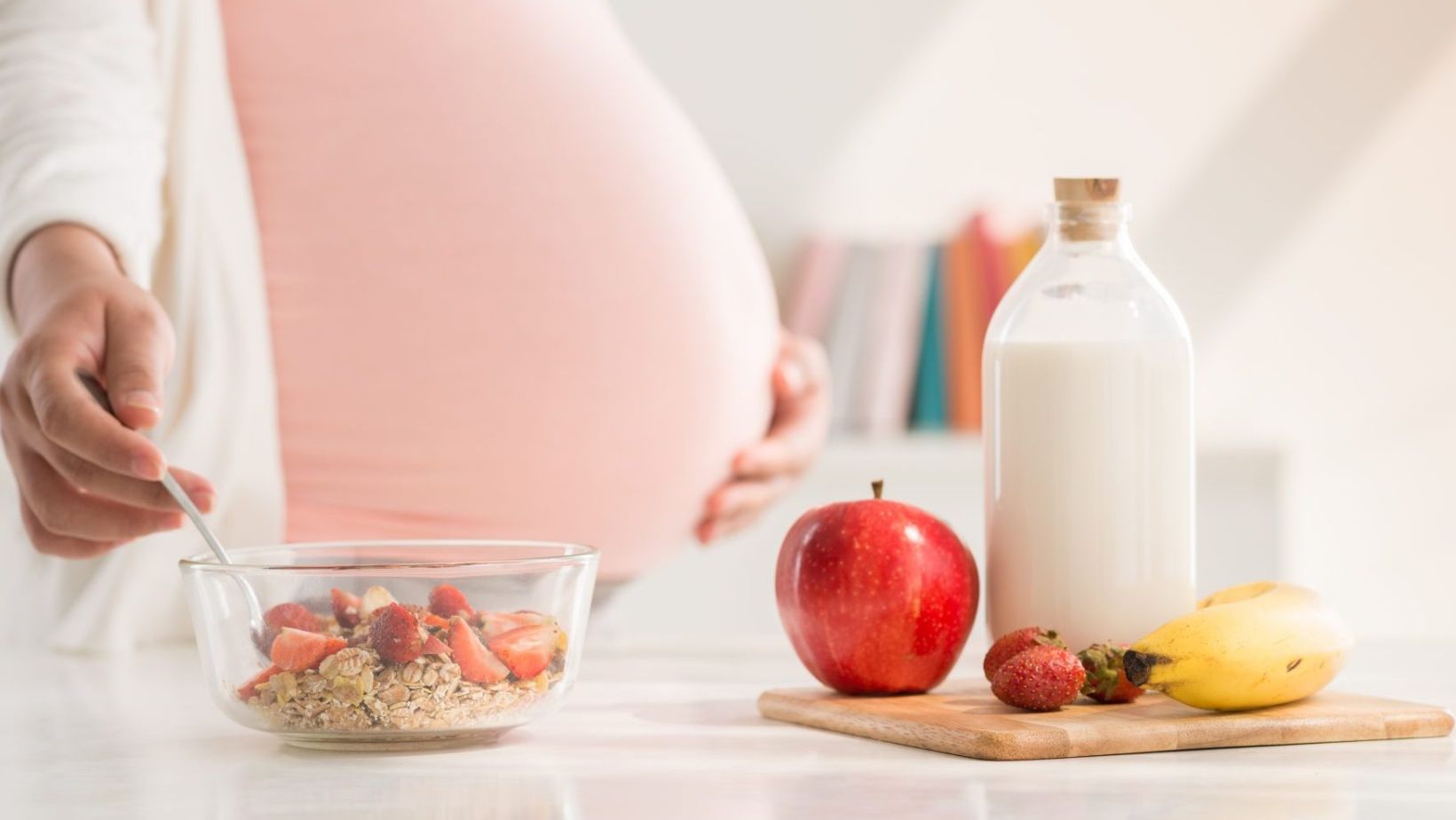

The study focused on two groups of rats: one that received normal nutrition and another whose nutrient supply was restricted, similar to preeclampsia in humans. Researchers found that fetuses exposed to poor nutrition in the womb became genetically “primed” for an environment lacking sufficient food, which affected their growth and overall health.
These rats were not only smaller at birth but also faced an increased risk of long-term health problems, including diabetes, obesity, cardiovascular disease, growth retardation, and neurodevelopmental delays.
“Our study emphasizes that maternal-fetal health influences multiple healthcare issues across generations,” said Dr. Robert Lane, professor of pediatric neonatology at the University of Utah and senior researcher on the study. “To reduce adult diseases such as diabetes, obesity, and cardiovascular disease, we need to understand how the maternal-fetal environment influences the health of offspring.”
The Role of IGF-1 in Fetal Development
Researchers examined the rats at birth and again at 21 days—roughly equivalent to preadolescence in humans—to measure the presence of a protein called IGF-1 (insulin-like growth factor 1), essential for normal growth and development. They discovered that nutrient deprivation caused a significant decrease in IGF-1 production, both before and after birth. This reduction in IGF-1 is believed to contribute to many of the long-term health risks associated with poor prenatal nutrition.
“The new ”epigenetics” has taught us how nature is changed by nurture,” said Dr. Gerald Weissmann, Editor-in-Chief of The FASEB Journal. “The jury’s in, and expectant moms are eating for two. This study shows not only that we need to address problems such as preeclampsia during pregnancy but also that prenatal care is far more important than anyone could have imagined a decade ago.”
Implications for Prenatal Health and Future Research

Although the study was conducted in rats, the genes and biological mechanisms involved are similar in humans, suggesting that maternal nutrition plays a similarly crucial role in human fetal development. These findings reinforce the need for proper prenatal care and food to ensure long-term health benefits for future generations.
With epigenetics emerging as a key field in medical research, scientists hope to explore further how maternal health choices can influence not only an individual’s well-being but also the health of future generations. As research continues, these discoveries could lead to new strategies for preventing chronic diseases before birth.
Reference: Qi Fu, Xing Yu, Christopher W. Callaway, Robert H. Lane, and Robert A. McKnight. Epigenetics: intrauterine growth retardation (IUGR) modifies the histone code along the rat hepatic IGF-1 gene. FASEB J.