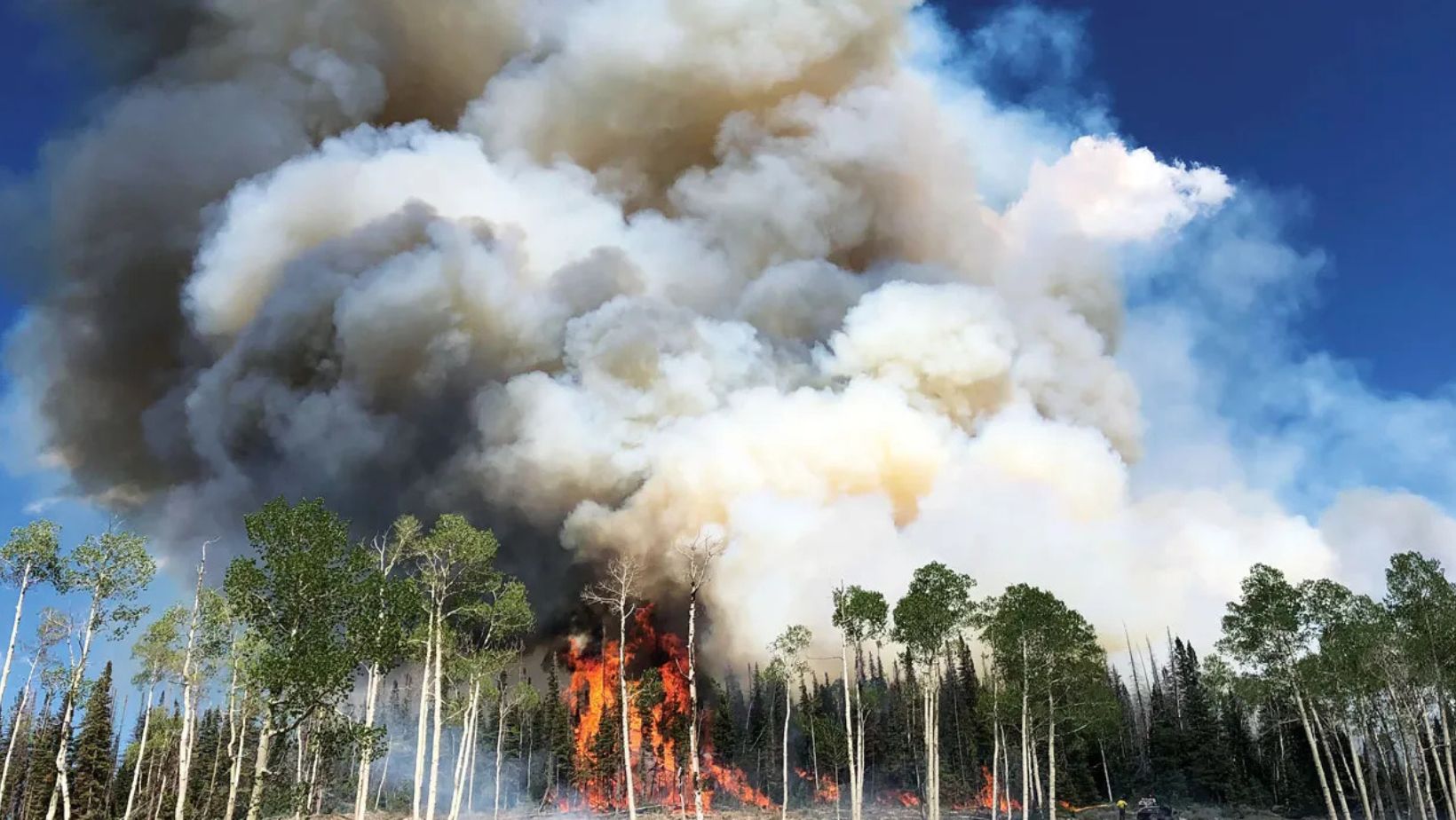
New research has revealed that wildfire smoke can carry harmful pollutants hundreds of kilometers, depositing toxins that linger on urban surfaces and have the potential to be re-released into the environment over time. The study, conducted by researchers at McMaster University and published in Environmental Science & Technology, underscores the long-term pollution risks posed by increasingly frequent and severe wildfires.
Wildfire Smoke as a Widespread Pollutant
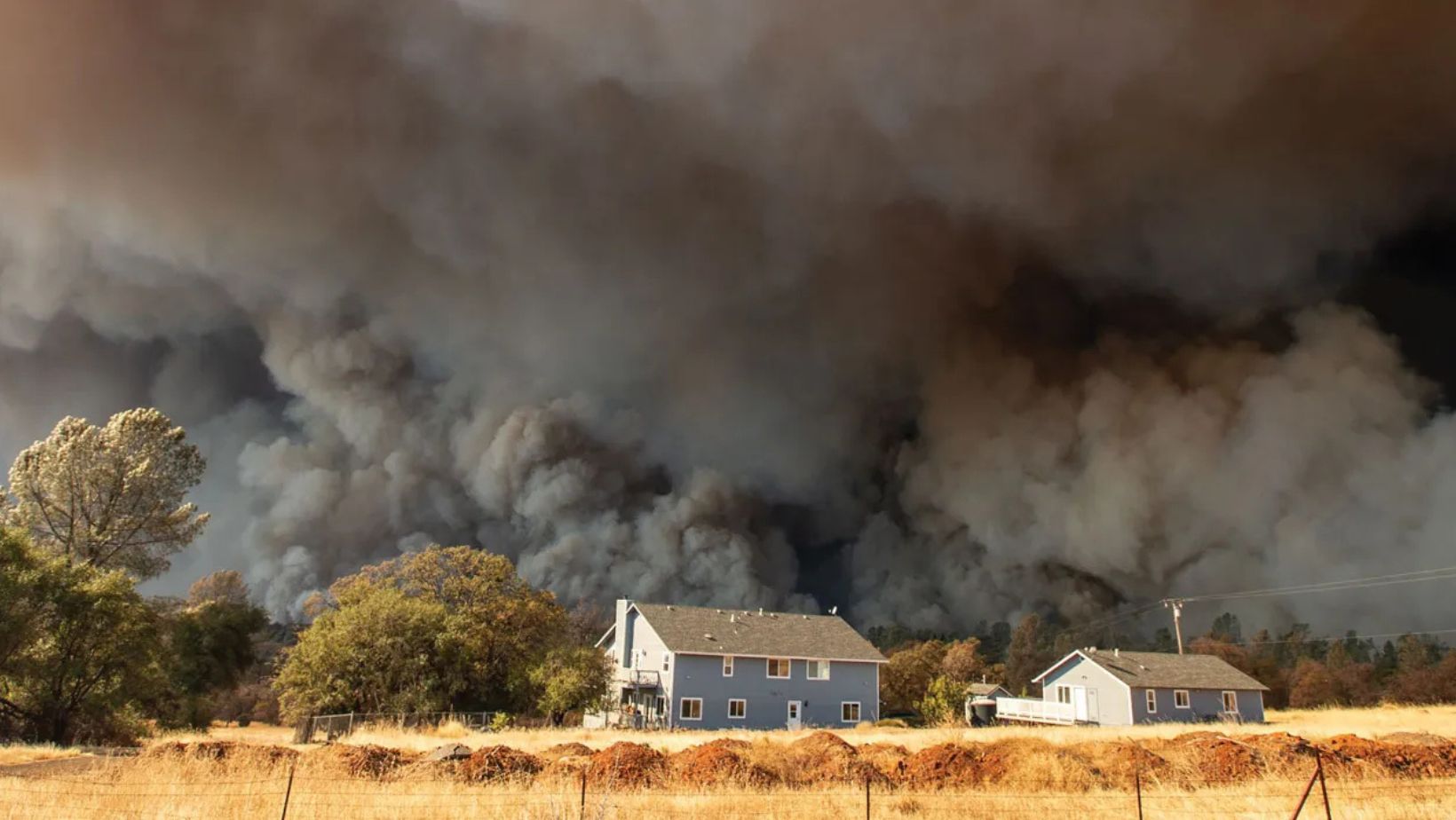

As climate change intensifies, wildfires are becoming more destructive. Canada’s 2023 wildfire season was the worst on record, with 18.5 million hectares burned, while 2024 ranked second-worst with over 5 million hectares scorched. In the United States, devastating fires have recently swept Los Angeles, further emphasizing the growing threat.
Researchers say that wildfire smoke, which contains a complex mixture of pollutants, is emerging as a significant and persistent source of urban contamination. One primary concern is polycyclic aromatic hydrocarbons (PAHs), a class of carcinogenic compounds that form during the incomplete combustion of wood and other organic materials. These toxins pose health risks, accumulate in urban environments, and potentially re-enter the air or water systems.
Urban Grime: A Reservoir for Toxins in Wildfire Smoke
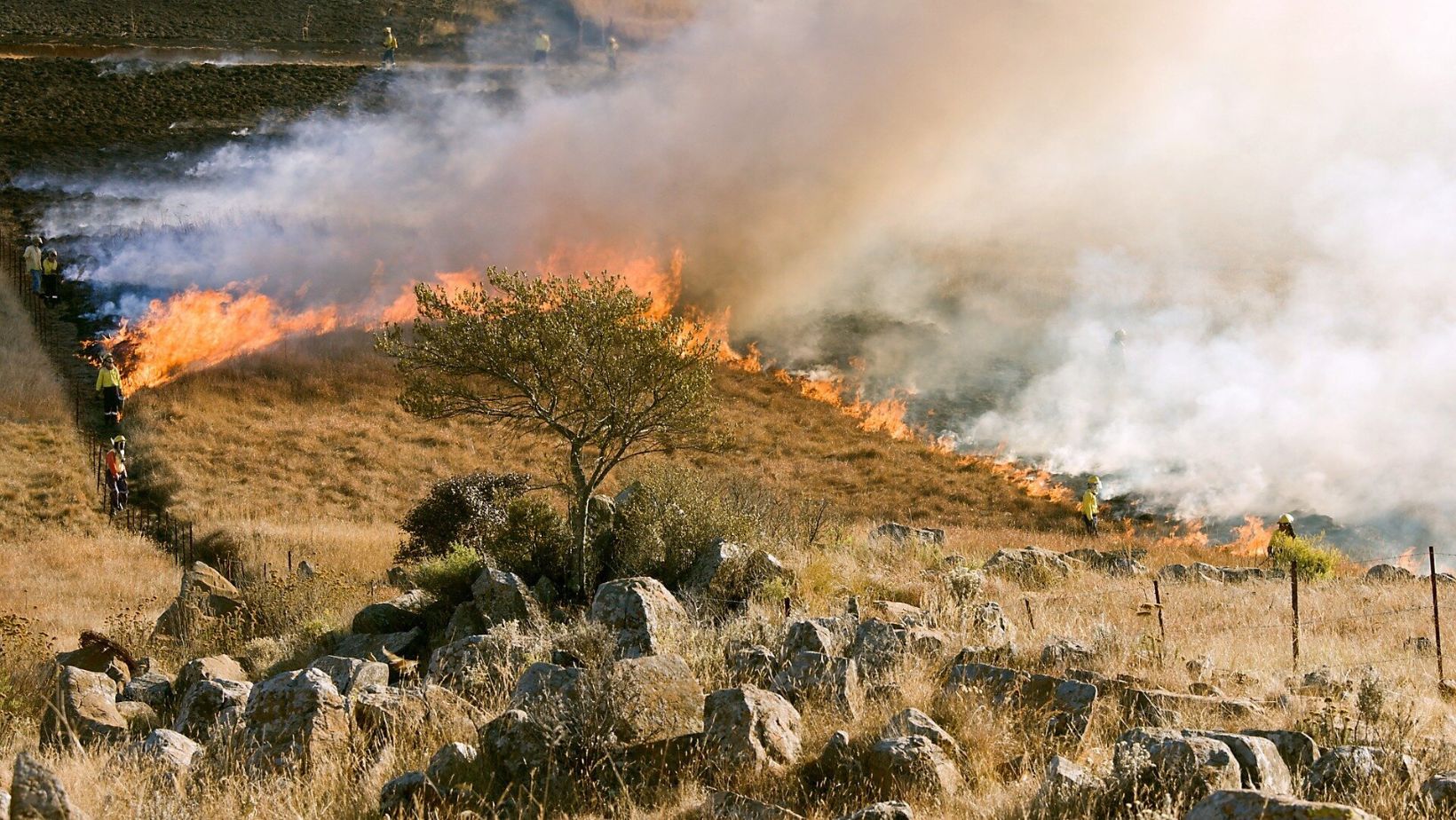
The study examined how wildfire smoke impacts “urban grime”—a layer of deposited pollutants that builds up on buildings, roads, and other impervious surfaces in cities. Over time, PAHs and other toxic compounds can settle onto these surfaces and be reintroduced into the environment through wind, rain, or physical disturbances.
“This study was motivated by the large increase in wildfire frequency and severity in Western Canada,” said lead author Iris Chan, a graduate student in the Department of Chemistry & Chemical Biology at McMaster. “There is a great deal of public awareness and research on air quality related to North American wildfires, but the long-term impact of smoke drifting into cities is virtually unknown.”
To investigate, researchers recruited volunteers in Calgary and Kamloops to collect samples from their backyards between August and November 2021. Using specially designed glass bead kits that mimic urban surfaces like windows, they measured changes in toxin levels over time.
Findings: Smoke Can Carry Pollutants Hundreds of Kilometers
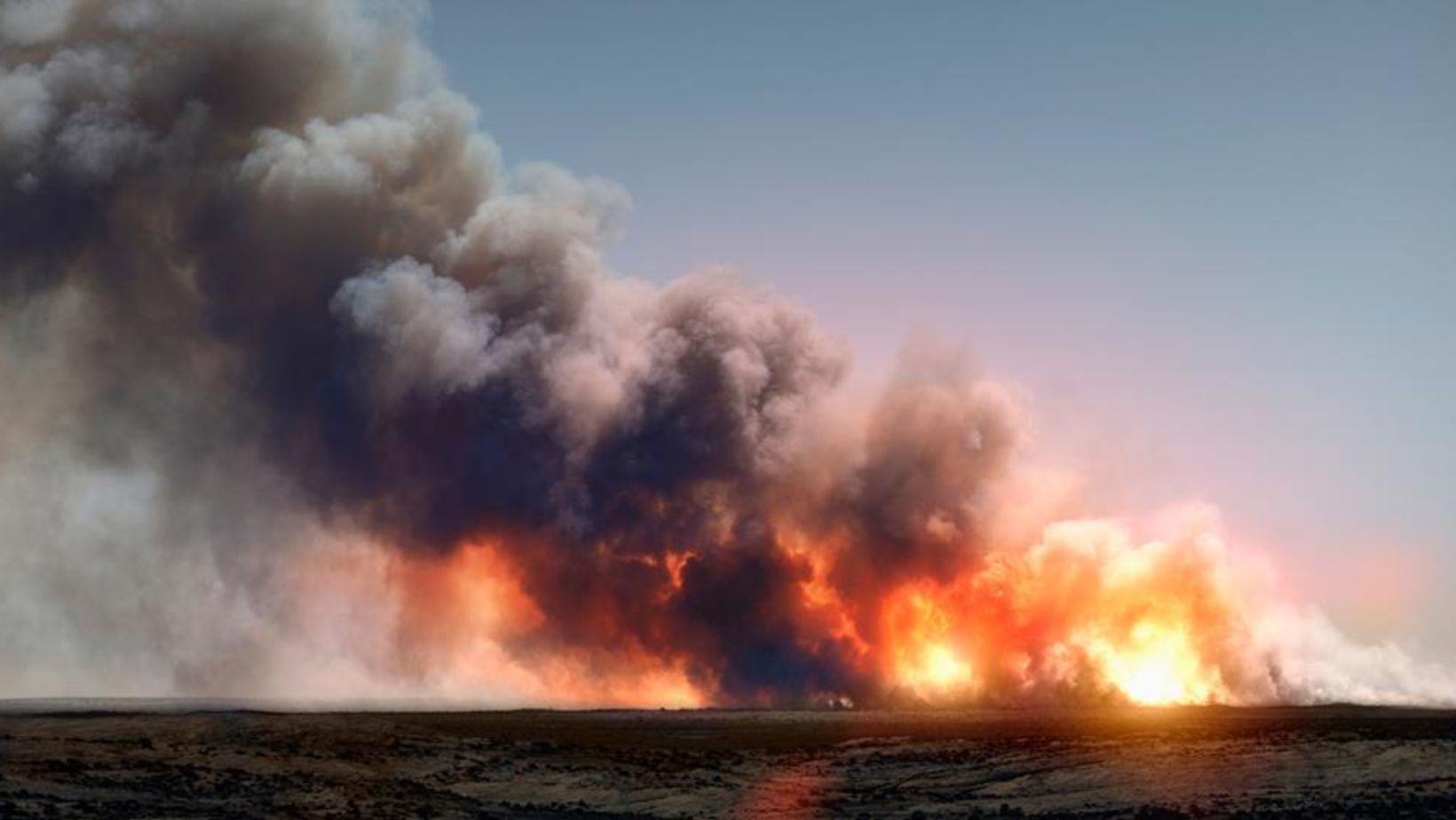
Researchers found that PAH levels in urban grime nearly doubled in Calgary when wildfire smoke from Saskatchewan, 500 kilometers away, reached the city. The absence of other major pollution events at the time strongly suggested that the contaminant spike was directly linked to distant fires.
Kamloops showed another alarming trend—PAH levels rose significantly even when no wildfires were in the region. Further analysis indicated that the increase likely came from a hyper-local burn, such as a backyard campfire.
“We should be mindful that the minor things people do every day, like using their barbecue or having a campfire in the backyard, can have a significant and long-lasting impact on their local environment,” said study supervisor Sarah Styler, Canada Research Chair in Atmospheric Chemistry at McMaster.
Implications for Water Quality and Future Research
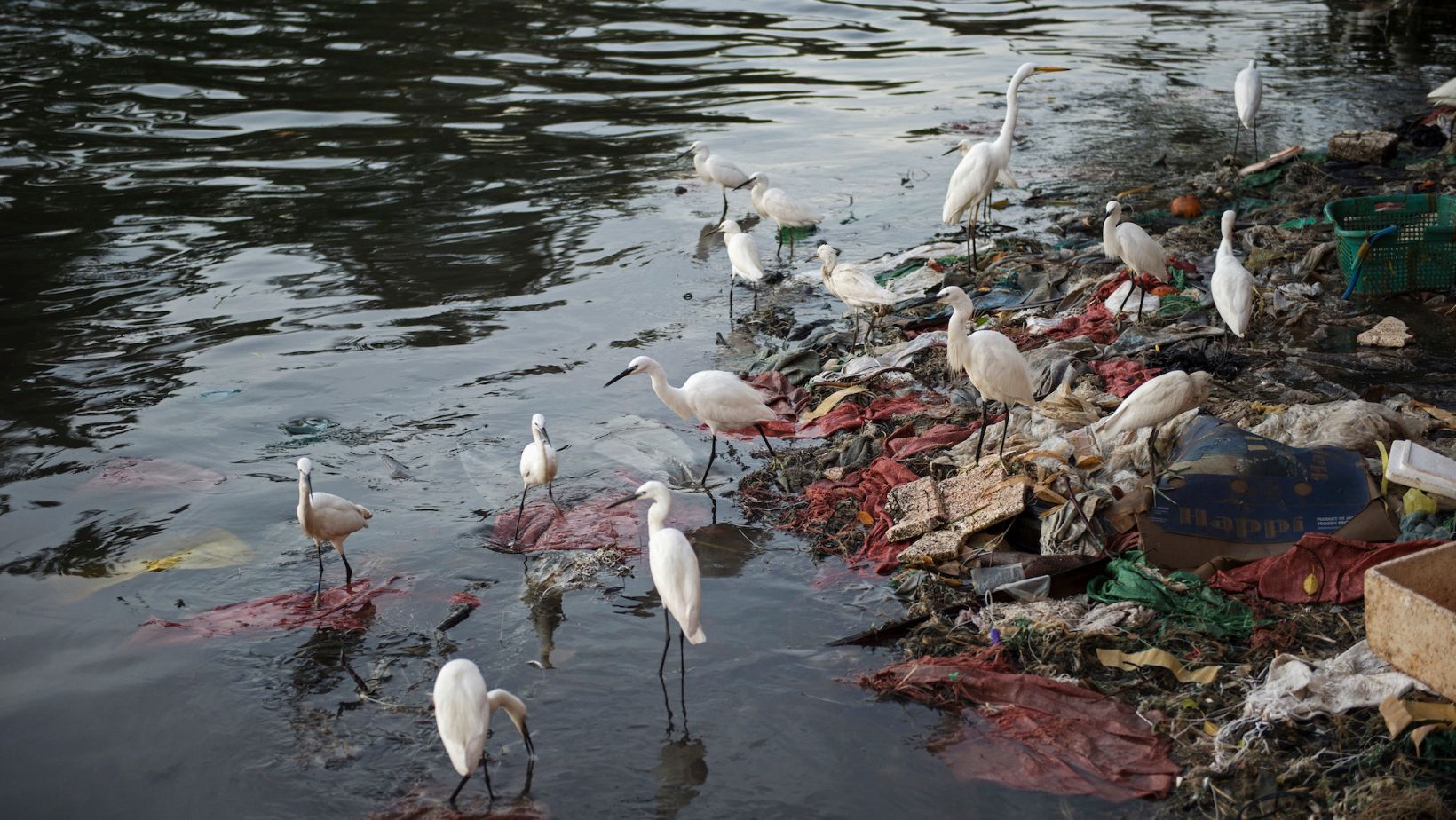
The researchers warn that once these pollutants settle, rainfall can wash them into stormwater systems, potentially contaminating rivers, lakes, and aquatic ecosystems.
“We would then expect precipitation to release pollutants into stormwater runoff, with the potential for adverse consequences for downstream water bodies, sediments, and aquatic life,” Styler explained.
The team is now expanding its research by analyzing samples from multiple cities across Canada and the United States collected during the 2022 wildfire season. They have also launched a project with Environment Hamilton to assess how much urban grime accumulates in city neighborhoods and what contaminants it contains.
As wildfires continue to grow in intensity and frequency, the study highlights the urgent need for further research on how wildfire smoke affects long-term environmental health, particularly in urban areas far from the fires.
Reference: Iris Chan, Stephanie R. Schneider, Annie Cheng, Sarah A. Styler. Wildfire Smoke Contributions to Polycyclic Aromatic Hydrocarbon Loadings in Western Canadian Urban Surface Grime. Environmental Science & Technology, 2025.