
Our faces are more than just windows to our emotions—they’re biological billboards that can reveal our overall health. Researchers have found that facial appearance influences how we feel about ourselves and how others perceive us. From subtle skin tones to localized color patterns, the face communicates a surprising amount about our well-being, even when we’re not expressing emotion. But what exactly makes a face appear “healthy”? And how much of this perception is rooted in science versus beauty standards?
The Face as a Health Indicator

Studies show that we are instinctively drawn to healthy-looking faces while avoiding those that appear unwell. This makes evolutionary sense, as health signals can affect social interactions and romantic choices. But what determines a “healthy” face?
While factors like smooth skin texture and facial shape (often influenced by body mass index) play a role, researchers have found that skin coloration is one of the most critical indicators of perceived health. Early studies identified three key skin tones—yellowness, redness, and lightness—consistently associated with healthy faces across all ethnicities.
Why Face Skin Colouration Matters

Each of these colors has biological significance. Redness, for instance, can reflect oxygenated blood and good circulation, while lighter skin may suggest vitamin D absorption. However, yellowness is particularly important for health perception.
The yellow tint in skin comes from carotenoids, organic pigments found in fruits and vegetables like carrots, spinach, and tomatoes. A diet rich in these foods improves internal health and produces a visible glow that people associate with vitality. While tanning can also enhance skin yellowness, research suggests that a healthy diet’s “carotenoid glow” is preferred over the yellowness achieved through sun exposure.
The Face Key Areas: Under the Eyes and Cheeks

It is not just overall skin tone that matters—localized color patterns play a significant role in health perception. In a study where observers rated the health of faces, researchers found that lightness under the eyes and redness in the cheeks were strongly associated with healthier-looking faces.
On the flip side, darker under-eye skin and greenish cheeks were linked to perceptions of poor health. Surprisingly, reversing these colorations—such as lighter cheeks and under-eyes redder—did not produce the same positive health associations. This highlights how specific color placement on the face is key to interpreting health signals.
Implications for Beauty and Health
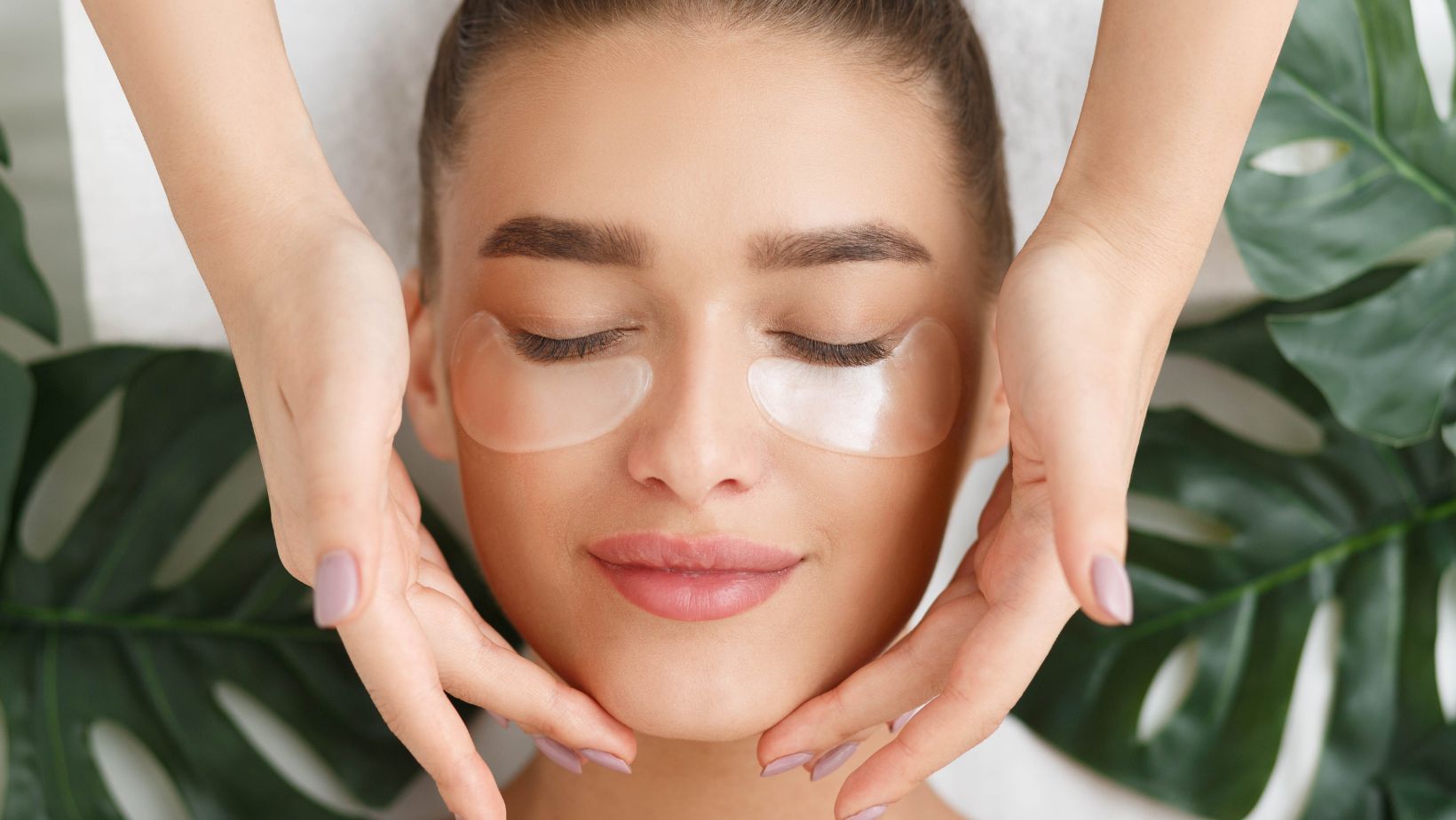
The findings help explain why makeup products like concealer and blush are so popular. These cosmetics mimic the lightness and redness patterns associated with health, creating a more vibrant and rested appearance. However, researchers emphasize that no product can replace the benefits of a healthy lifestyle, which includes a balanced diet, regular exercise, and adequate sleep.
Ultimately, our faces tell a story about our overall well-being, and people are remarkably skilled at reading these subtle cues. Whether through diet, rest, or a touch of concealer, taking care of your health can reflect positively on the most visible part of yourself—your face.
References: Skin Blood Perfusion and Oxygenation Colour Affect Perceived Human Health Ian D. Stephen , Vinet Coetzee, Miriam Law Smith, David I. Perrett. Published: April 1, 2009 https://doi.org/10.1371/journal.pone.0005083


