
A new study from the University at Buffalo sheds light on the neurotoxic effects of per- and polyfluorinated alkyl substances (PFAS), often called forever chemicals. Known for their persistence in the environment, it can accumulate in the brain and disrupt neuronal health. The research, published in ACS Chemical Neuroscience, identifies 11 key genes that could serve as markers for understanding how these chemicals affect the brain.
PFAS and the Brain
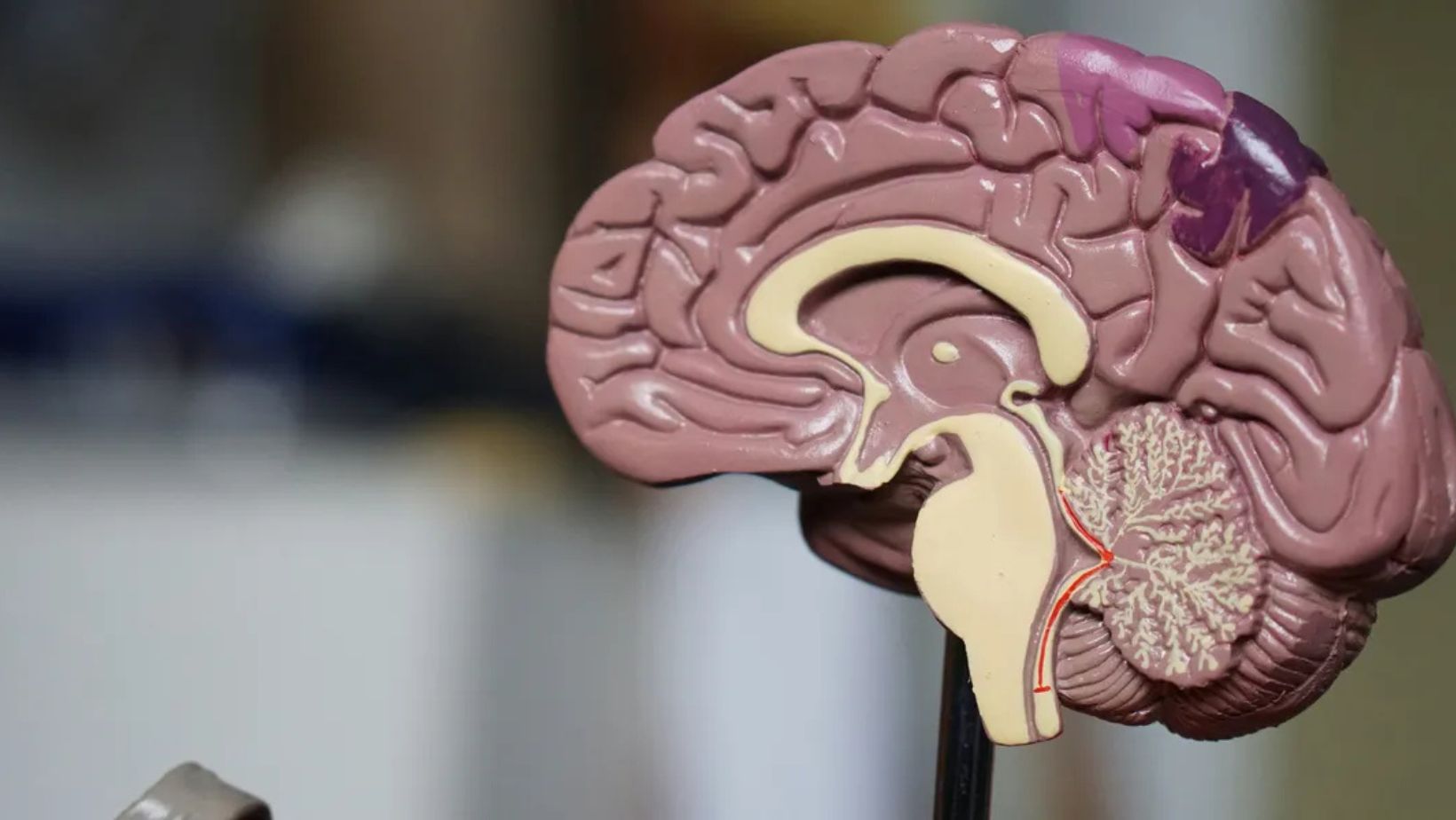
PFAS are widely used chemicals in products ranging from nonstick cookware to firefighting foams. Their ability to cross the blood-brain barrier and persist in brain tissue has raised concerns, yet the mechanisms behind their neurotoxicity have remained elusive.
Researchers examined six types of it, including perfluorooctanoic acid (PFOA), in neuronal-like cells. PFOA, once common in nonstick pans and recently classified as hazardous by the EPA, emerged as the most impactful, altering the expression of nearly 600 genes.
Other PFAS compounds caused changes in fewer than 150 genes each.
These changes affected critical biological pathways involved in neuronal development, oxidative stress, and protein synthesis. Notably, genes essential for synaptic growth and neural function were significantly downregulated by PFOA exposure.
Identifying Genetic Markers
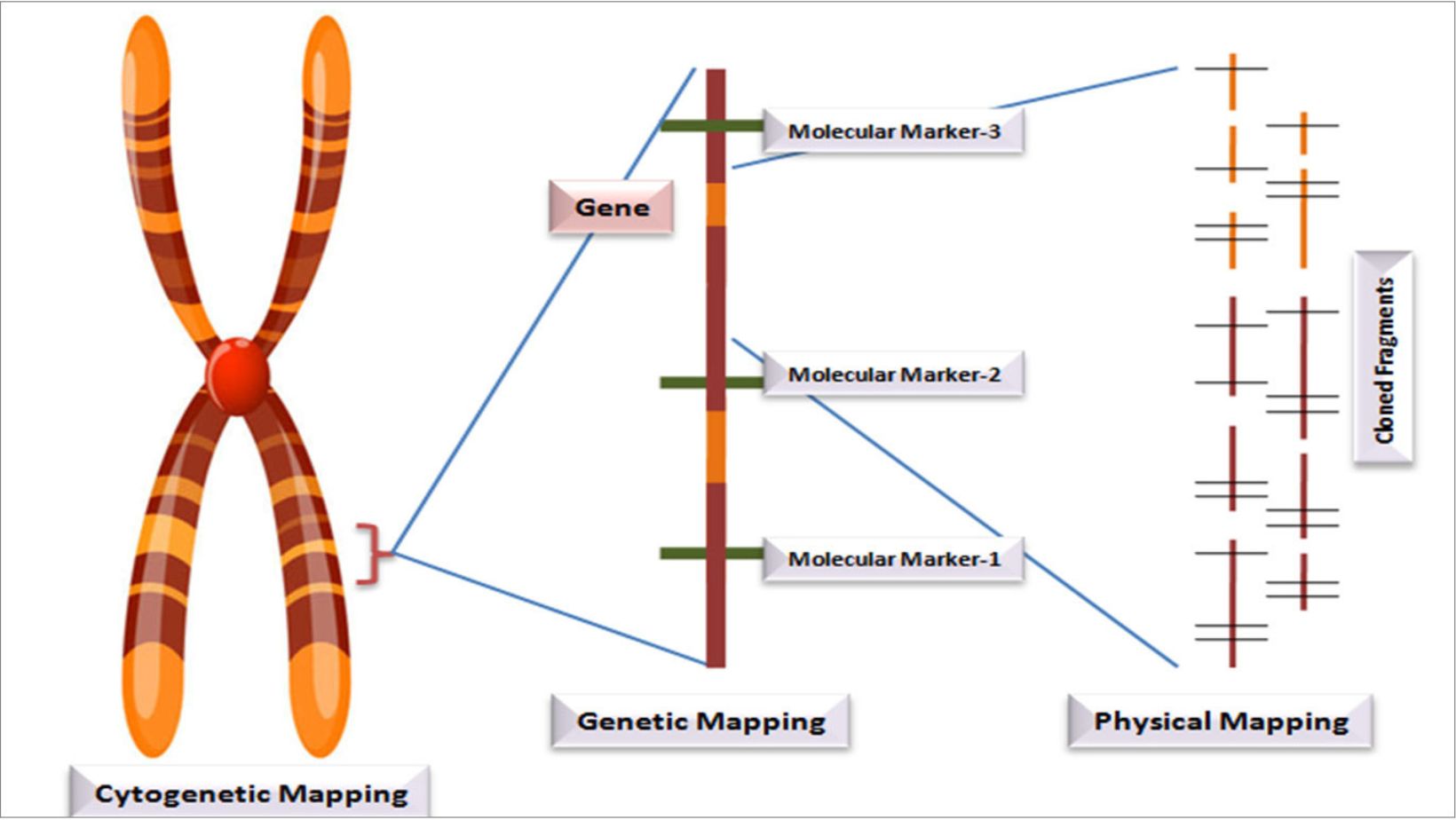
Among the findings, researchers pinpointed 11 genes that responded consistently to all six PFAS compounds tested. One of these genes, associated with neuronal cell survival, was consistently downregulated, while another linked to cell death was consistently upregulated.
These genes may serve as markers for assessing PFAS-induced neurotoxicity, explained Dr. G. Ekin Atilla-Gokcumen, the study’s lead author. However, the lack of correlation between PFAS uptake and gene expression changes suggests that the molecular structure of each compound plays a significant role in its impact.
Towards Safer Alternatives

The findings emphasize the need for a nuanced approach to PFAS regulation. While short-chain PFAS are being explored as alternatives due to their reduced environmental persistence, their potential health effects remain uncertain.
This research is a step toward identifying the most harmful PFAS and finding safer substitutes, said Atilla-Gokcumen. With its essential in industries like firefighting and semiconductor manufacturing, understanding their unique effects is critical for mitigating risks while maintaining functionality.
The study, supported by the Environmental Protection Agency, represents significant progress in unraveling the complex relationship between it and brain health.
Reference: “Investigating the Mechanism of Neurotoxic Effects of it in Differentiated Neuronal Cells through Transcriptomics and Lipidomics Analysis” by Logan Running, Judith R. Cristobal, Charikleia Karageorgiou, Michelle Camdzic, John Michael N. Aguilar, Omer Gokcumen, Diana S. Aga and G. Ekin Atilla-Gokcumen, 27 November 2024, ACS Chemical Neuroscience.


