
The U.S. economy is at a crossroads as mounting national debt, persistent inflation, and wavering consumer confidence raise concerns about long-term stability. Despite efforts to curb economic uncertainty, future challenges signal potential turbulence for businesses and households.
Rising National Debt Reaches Record High
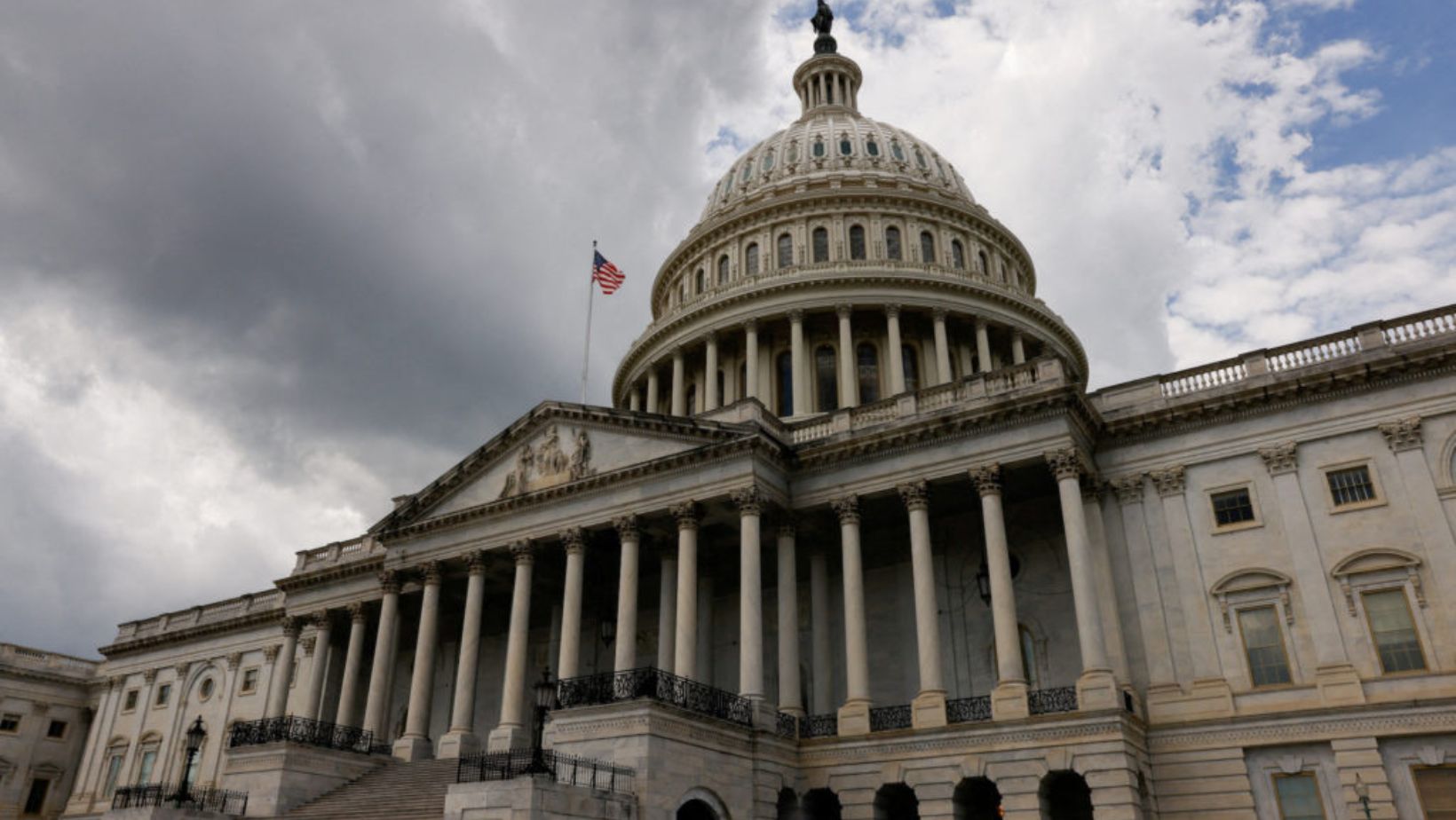
The U.S. national debt recently surpassed $34 trillion, growing as government spending outpaces revenue. Economists warn that excessive borrowing could lead to higher interest rates, increased inflation, and a weakened dollar. While lawmakers debate potential solutions, including tax increases and spending cuts, political gridlock has made decisive action difficult.
Federal Reserve Chair Jerome Powell has acknowledged the challenges posed by the growing debt, emphasizing the need for fiscal responsibility. “At some point, the debt trajectory must be addressed to maintain economic stability,” Powell stated in a recent speech.
Inflation Slows but Remains a Concern

While lower than its 2022 peak, inflation remains above the Federal Reserve’s target of 2%. Recent data from the Bureau of Labor Statistics shows that consumer prices rose by 3.4% in the past year, with key sectors such as housing and energy still experiencing cost pressures.
The Federal Reserve has signaled a cautious approach to interest rate adjustments, keeping rates higher for longer to control inflation. However, some analysts argue that prolonged high rates could slow economic growth and increase the risk of a recession.
Consumer Confidence Wavers in U.S. Economy

Amid economic uncertainty, consumer sentiment has fluctuated. A recent survey from the University of Michigan found that confidence dipped in January, reflecting concerns over inflation, job security, and future economic conditions. Retail spending has slowed, particularly in discretionary categories, as households adjust their budgets to cope with higher costs.
While the job market remains relatively strong, with unemployment holding near historic lows, some industries have reported layoffs and hiring freezes. Tech companies, in particular, have announced significant workforce reductions, citing economic uncertainty and restructuring efforts.
Looking Ahead of U.S. Economy

As 2025 unfolds, economists and policymakers continue to assess the best path forward. With debt levels climbing, inflation still a concern, and consumer confidence wavering, the U.S. economy faces significant challenges. Whether decisive action is taken to address these issues will determine the nation’s economic trajectory in the future.
Reference: Zhen Zhou, Chris Moran, Anne M. Murray, Sophia Zoungas, Costan Magnussen, Trevor T.-J. Chong, Raj C. Shah, Kerry M. Sheets, Mark Nelson, Chao Zhu, Andrew M. Tonkin, Stella Talic, Michael E. Ernst, Suzanne G. Orchard, John J. McNeil, Rory Wolfe, Robyn L. Woods, Johannes T. Neumann, Peng Qiu, Joanne Ryan. Association of Year-to-Year Lipid Variability With Risk of Cognitive Decline and Dementia in Community-Dwelling Older Adults. Neurology, 2025.


