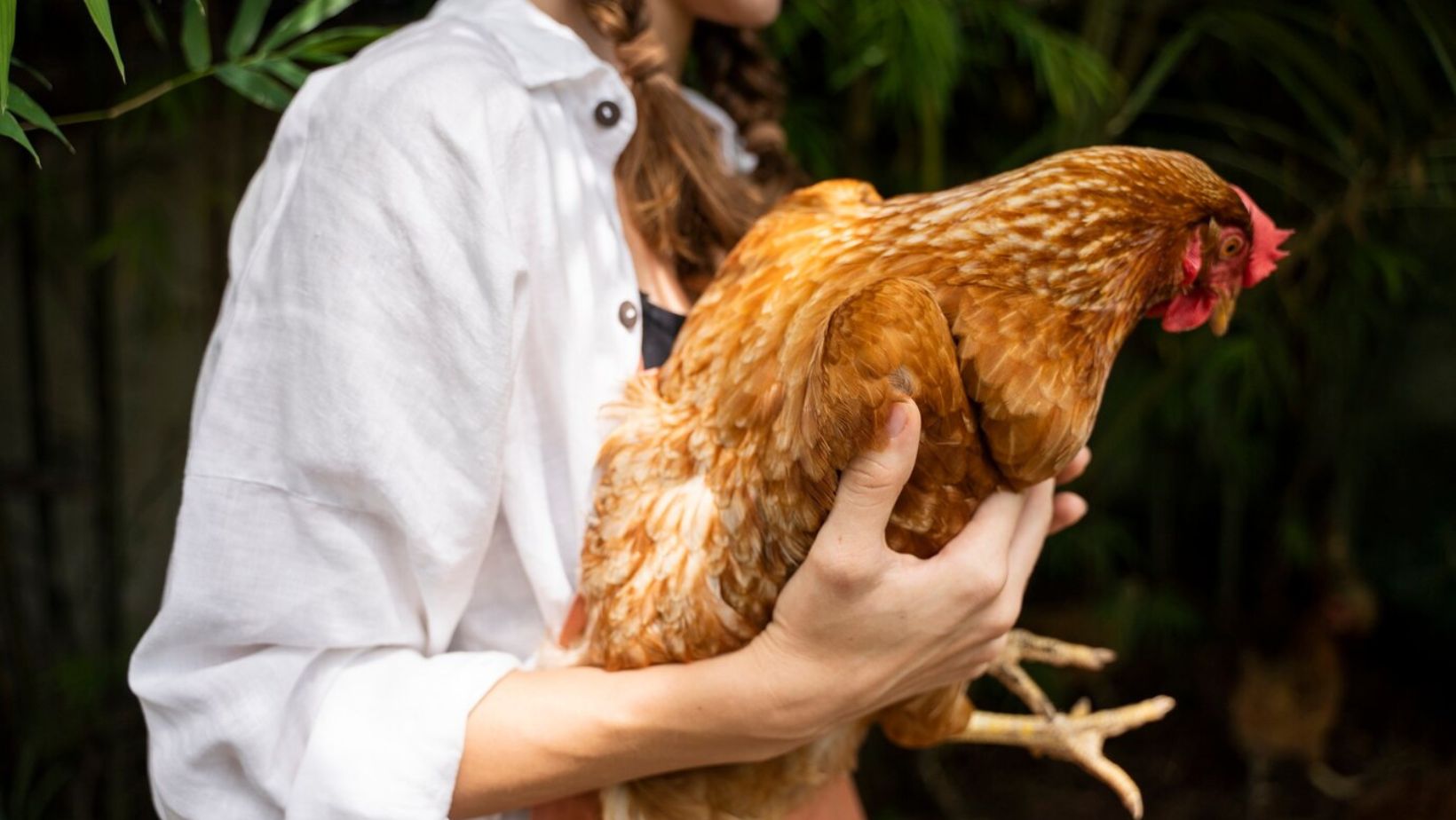
According to researchers from the Texas Biomedical Research Institute, a newly identified strain of H5N1 bird flu isolated from a human in Texas has developed mutations that allow it to replicate more efficiently in human cells and cause more severe disease.
The findings, published in Emerging Microbes & Infections, underscore growing concerns about how quickly the virus evolves as it jumps between species.
H5N1 Bird Flu Rapid Evolution in New Hosts


H5N1 has long been found in wild birds and poultry, often fatal to chickens. However, in spring 2024, the virus jumped to dairy cows for the first time, spreading across multiple U.S. states and infecting dozens of farm workers. Most human cases have been mild, with symptoms such as eye inflammation, and so far, there is no confirmed human-to-human transmission. But scientists warn that could change.
“The clock is ticking for the virus to evolve in a way that allows it to spread more easily between humans,” said Dr. Luis Martinez-Sobrido, a virologist at Texas Biomed. His lab has been studying H5N1 since the outbreak began and has developed animal models and specialized tools to test vaccines and antiviral treatments.
Human H5N1 Strain Shows More Dangerous Traits

In their latest study, researchers compared H5N1 Bird Flu samples from a human patient and a dairy cow in Texas. They found:
- The human strain had nine mutations not present in the bovine strain, suggesting these mutations developed after human infection.
- In mouse studies, the human strain replicated more efficiently caused more severe illness and was found in much higher quantities in brain tissue.
- Fortunately, these mutations did not affect the virus’s susceptibility to FDA-approved antiviral medications, meaning current treatments remain effective.
“Antivirals will be a key line of defense if a pandemic occurs before vaccines are widely available,” said Dr. Martinez-Sobrido. Unlike seasonal flu viruses, humans have no preexisting immunity to H5N1, and seasonal flu vaccines provide minimal protection.
Containing H5N1 Before It Adapts Further
The findings highlight the urgent need for surveillance and containment efforts to prevent H5N1 Bird Flu from evolving into a more dangerous, human-adapted strain. While no widespread human transmission has been detected yet, researchers stress that continued mutations could bring the virus closer to that threshold.
With avian flu continuing to spread across species, scientists are working to closely monitor its evolution, develop better treatments, and prevent the next potential pandemic before it starts.
Reference: Ahmed Mostafa, Ramya S. Barre, Anna Allué-Guardia, Ruby A. Escobedo, Vinay Shivanna, Hussin Rothan, Esteban M. Castro, Yao Ma, Anastasija Cupic, Nathaniel Jackson, Mahmoud Bayoumi, Jordi B. Torrelles, Chengjin Ye, Adolfo García-Sastre, Luis Martinez-Sobrido. Replication kinetics, pathogenicity and virus-induced cellular responses of cattle-origin influenza A(H5N1) isolates from Texas, United States. Emerging Microbes & Infections, 2025.