
Do you consider yourself a social butterfly, always seeking connections and enjoying conversations? If so, your social habits may be doing more than keeping your calendar full—they might improve your health, and loneliness may worsen it.
New research reveals that loneliness and social isolation, everyday experiences in modern society, have profound effects on physical and mental health, linked to inflammation and chronic diseases like heart disease and diabetes.
The Study: Exploring the Biological Links to Loneliness

A collaborative study by researchers from the University of Cambridge and Fudan University, published in Nature Human Behaviour (January 2025), delved into why loneliness and social isolation impact health. Using data from the UK Biobank, the study analyzed proteomes—complete protein sets—from 42,062 participants over an average of 14 years.
The researchers identified 175 proteins associated with social isolation and 26 linked to loneliness. Interestingly, 85% of the loneliness-related proteins overlapped with those associated with social isolation, forming a complex network of proteins tied to immune responses and inflammation.
One key protein, ADM, which regulates stress responses and oxytocin (the “love hormone”), showed higher levels in lonely individuals. Elevated ADM was also associated with smaller brain structures linked to emotional and physical self-awareness and higher risks of chronic diseases.
Real-Life Implications of Loneliness
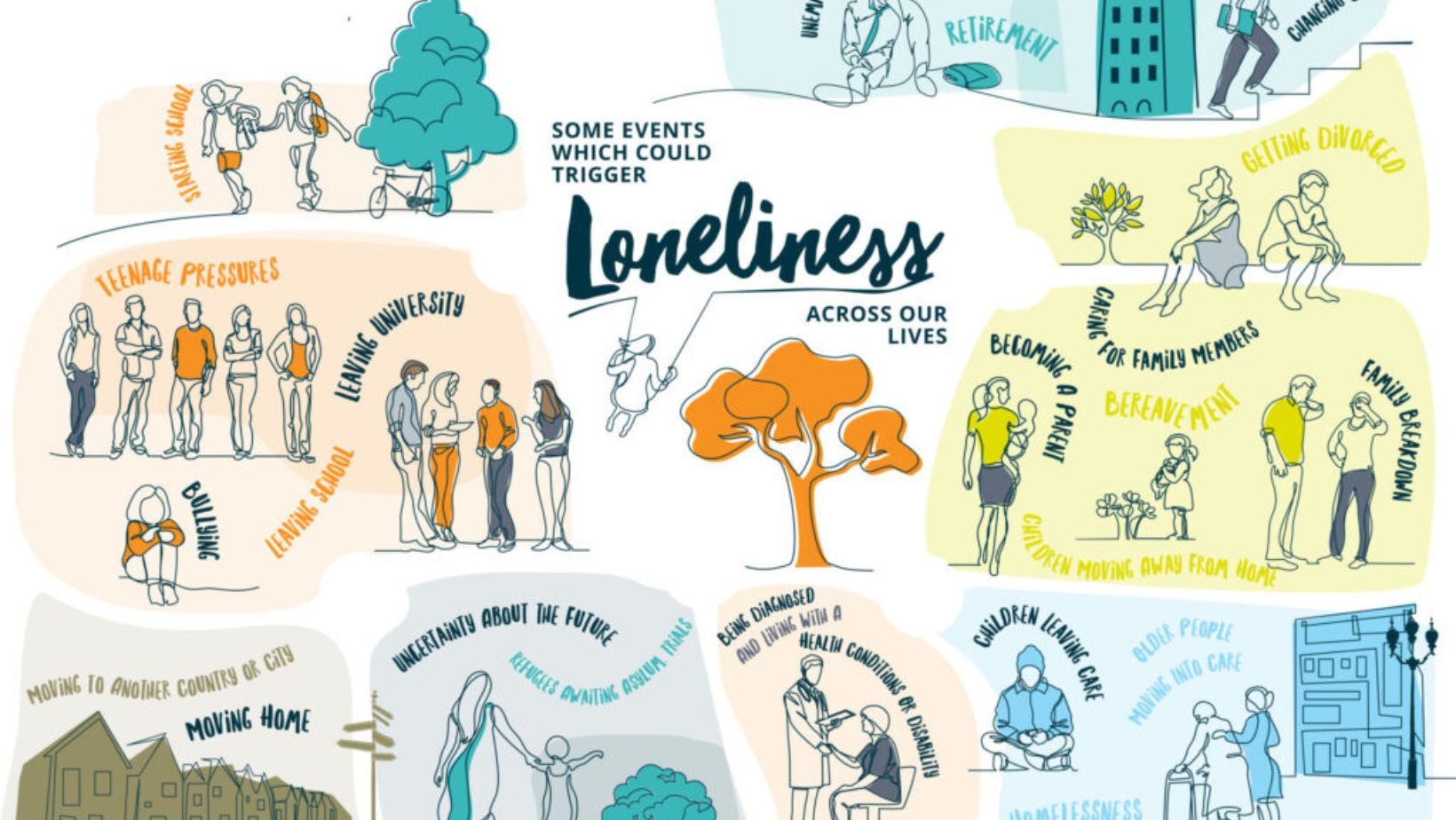
These findings underscore the importance of fostering meaningful social connections. While previous research linked it to diseases like heart disease, stroke, and diabetes, this study provides biological insights into the relationship, suggesting that inflammation-driven processes may be a key factor.
Preventing loneliness and isolation is vital for physical and mental health, said Dr. Barbara Sahakian, a professor of psychiatry at the University of Cambridge. She recommends activities that build connections, such as volunteering, joining team sports or walking clubs, participating in book clubs, or learning new hobbies.
Taking Action Against Loneliness
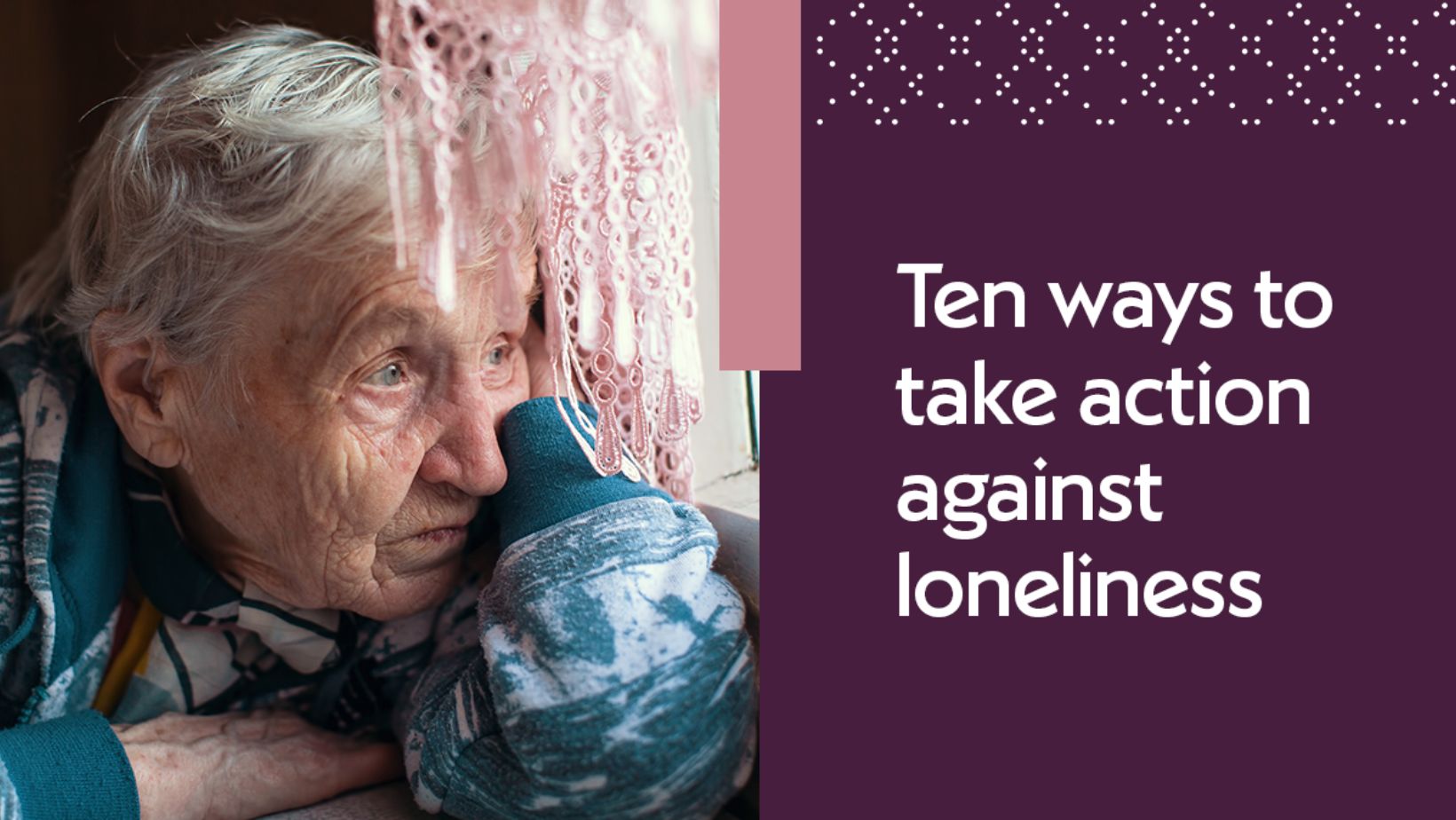
For those experiencing it, Sahakian emphasizes the value of taking small steps to connect. Whether calling a friend, sharing a meal with a neighbor, or joining a community group, these actions can reduce feelings of isolation and improve overall well-being.
Even in relationships, it can persist if connections lack authenticity and depth. Building trust and allowing vulnerability over time can strengthen bonds and promote emotional fulfillment.
The Bottom Line

The study reveals that loneliness and social isolation are more than emotional challenges—they are biological triggers for inflammation and chronic disease. Connecting with others and fostering genuine relationships can significantly enhance health and quality of life.
“Find a social activity you enjoy and use it as an opportunity to form new friendships,” Sahakian advises. “Supporting others and receiving support in return leads to a happier and healthier life.”


