
A groundbreaking study published in Nature reveals that small-scale fisheries contribute nearly half of the world’s fish catch and are critical in addressing hunger, malnutrition, and economic stability. Despite their importance, these fisheries have often been overlooked in policy discussions, leaving millions of fishers without proper recognition or support.
The research, led by an international team of scientists, is the first to rigorously quantify the impact of marine and inland small-scale fisheries on food security, nutrition, and livelihoods worldwide. The findings highlight the need for better management and policy interventions to support the sustainability of these fisheries and the communities that depend on them.
A Vital Source of Nutrition and Employment
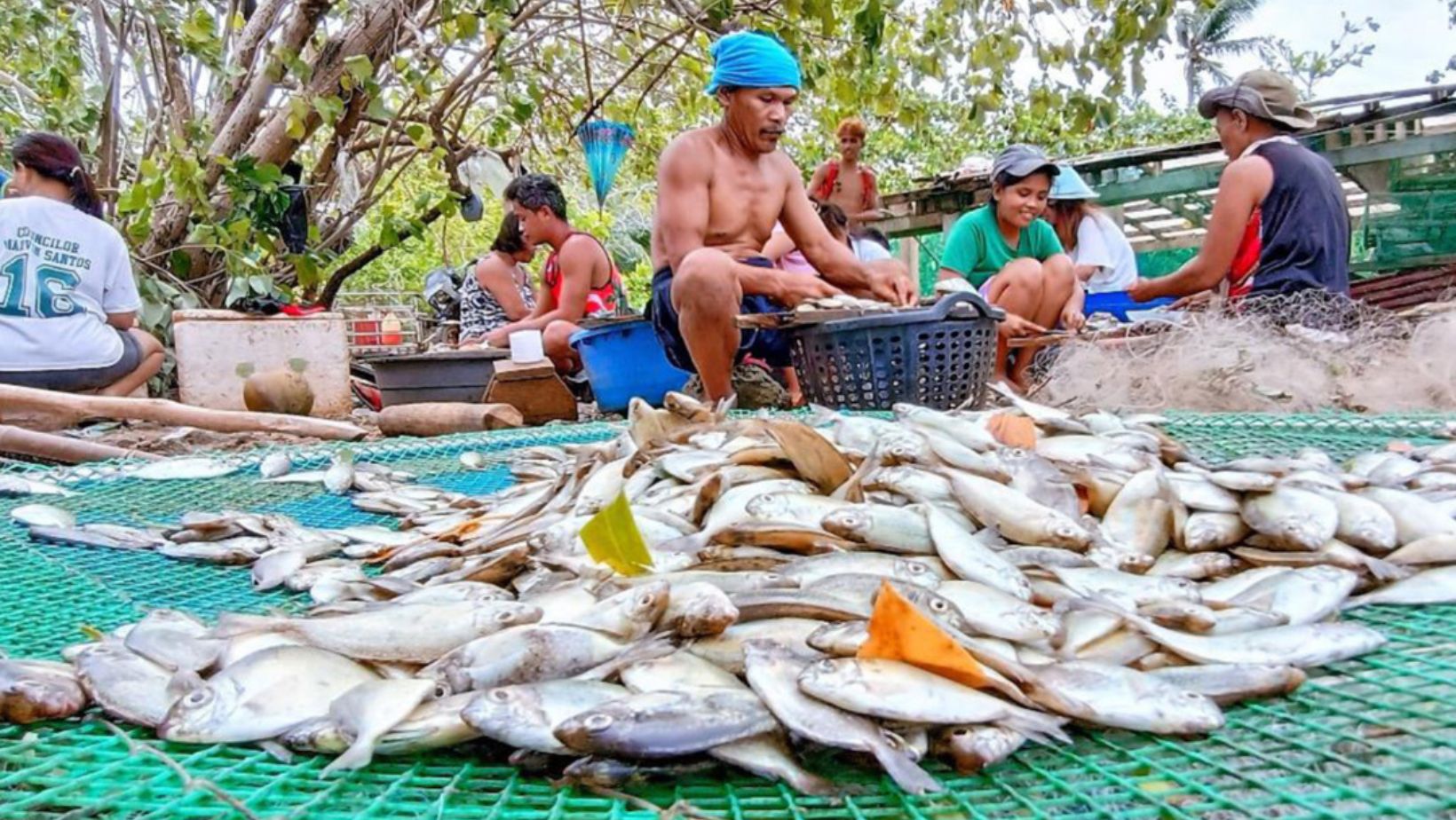
Small-scale fisheries, typically run by households or local communities using labor-intensive, low-tech methods, are essential for global food security. The study found that at least 40% of the world’s fish catch comes from small-scale fisheries, providing crucial nutrition to billions of people.
“Small-scale fisheries contribute almost half of the global catch and play a critical role in meeting the food security and nutritional needs of billions of people,” said Nicolas L. Gutierrez, a senior fishery officer at the Food and Agriculture Organization of the United Nations (FAO) and co-lead author of the study.
The research estimates that fish from small-scale fisheries supply 20% of six essential nutrients—including vitamins, minerals, and omega-3 fatty acids—to 2.3 billion people living within 12 miles of a coastline or inland water body. This means that one in four people worldwide relies on small-scale fisheries as a key source of essential nutrients.
In addition to their nutritional benefits, small-scale fisheries are a significant source of employment. Nearly 500 million people—one in 12 individuals globally—depend on them for their livelihoods, with almost half of those being women.
“Women participate in all aspects of fishing, from preparation to processing, yet they remain underrecognized in fisheries research,” said John Virdin, director of the Ocean and Coastal Policy Program at Duke University. “They are essential to these production systems that put food on the table for millions.”
Challenges Facing Small-Scale Fisheries
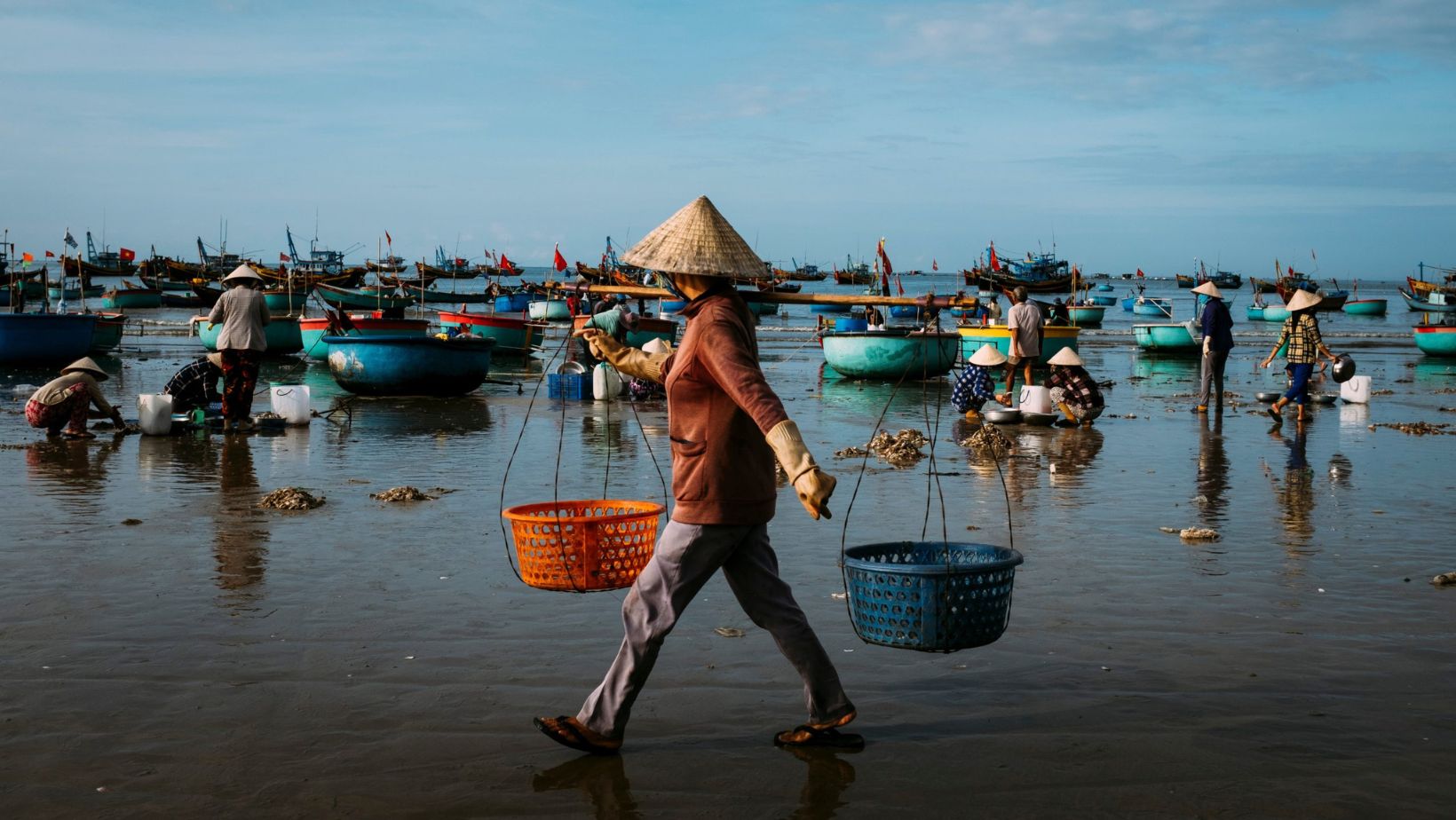
Despite their significant contributions, global fisheries management and economic policies often ignore small-scale fisheries. About two-thirds of small-scale fishers in 51 surveyed countries lack formal rights to participate in decision-making processes that affect their livelihoods. Without these rights, they are vulnerable to exclusionary policies, resource depletion, and competition from industrial fisheries.
“Millions of people who fish marine and inland waters have essentially been flying under the radar of science and policy,” said Xavier Basurto, co-lead author and faculty member at Stanford University’s Doerr School of Sustainability. “Ignoring their contributions and needs could be detrimental—not just to fisherfolk, but to the environment and society.”
The study also found that different regions rely on small-scale fisheries uniquely. Africa’s small-scale fisheries contribute the most to global nutrition, while those in Oceania—comprising nations in the South and Central Pacific—play a significant role in supporting local livelihoods. In countries with limited economic opportunities, small-scale fishing remains one of the few viable ways to make a living.
A Call for Policy Action
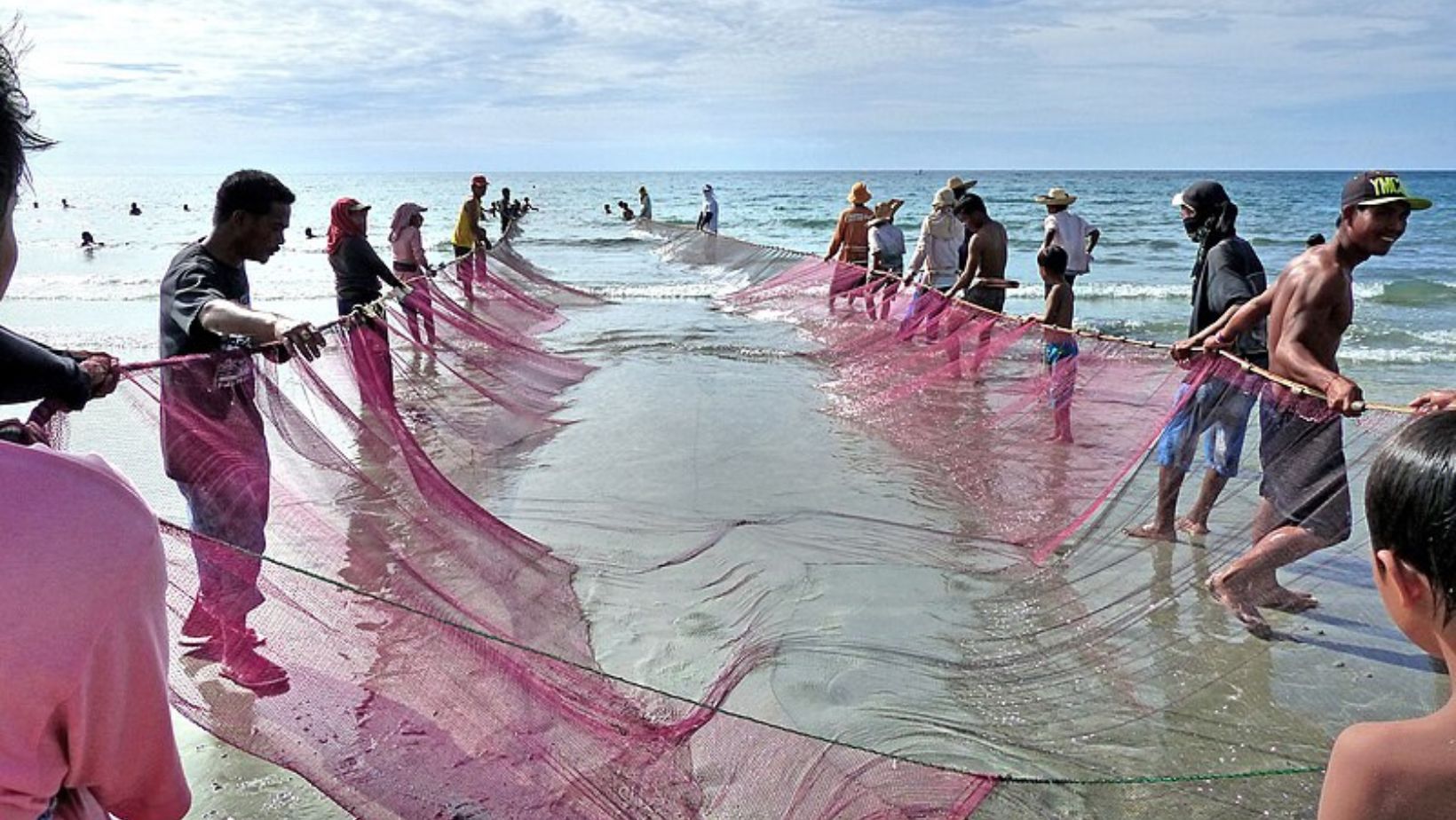
Researchers behind the study emphasize that policymakers must recognize and support small-scale fisheries to achieve sustainable development goals related to hunger, poverty, and environmental conservation.
“This study has started to quantify the impact of small-scale fisheries across the world and how they relate to important policy agendas on climate change, natural resource management, governance, and gender equity,” said Edward H. Allison, a principal scientist at WorldFish. “By making those linkages explicit, we hope our research provides policymakers with a better pathway to support small-scale fisheries.”
The study builds on the Illuminating Hidden Harvests Initiative (IHH), a collaborative effort between FAO, Duke University’s Nicholas School of the Environment, and the WorldFish international research organization. The initiative aims to integrate small-scale fisheries into global development strategies and ensure they receive the recognition and protection they deserve.
Funding for the research was provided by the Norwegian Agency for Development Cooperation (NORAD), the Swedish International Development Cooperation Agency (SIDA), the Oak Foundation, and the Consultative Group on International Agricultural Research (CGIAR).
With billions of people relying on small-scale fisheries for food and income, experts say that ensuring their sustainability is not just an environmental issue—it’s a global priority.
Reference: Xavier Basurto, Nicolas L. Gutierrez, Nicole Franz, Maria del Mar Mancha-Cisneros, Giulia Gorelli, Alba Aguión, Simon Funge-Smith, Sarah Harper, Dave J. Mills, Gianluigi Nico, Alex Tilley, Stefania Vannuccini, John Virdin, Lena Westlund, Edward H. Allison, Christopher M. Anderson, Andrew Baio, Joshua Cinner, Michael Fabinyi, Christina C. Hicks, Jeppe Kolding, Michael C. Melnychuk, Daniel Ovando, Ana M. Parma, James P. W. Robinson, Shakuntala H. Thilsted. Illuminating the multidimensional contributions of small-scale fisheries. Nature, 2025


