
A new study from the University of Illinois Urbana-Champaign suggests that severe flu infections during pregnancy may increase the risk of neurodevelopmental disorders such as schizophrenia and autism spectrum disorder in offspring. However, researchers found that the damage is not caused by the virus but rather by the mother’s immune response.
The findings, published in Science Advances, provide new insights into how maternal infections can impact fetal brain development. The study also suggests that only infections above a certain severity threshold likely contribute to these developmental risks.
Investigating the Immune Response in Flu
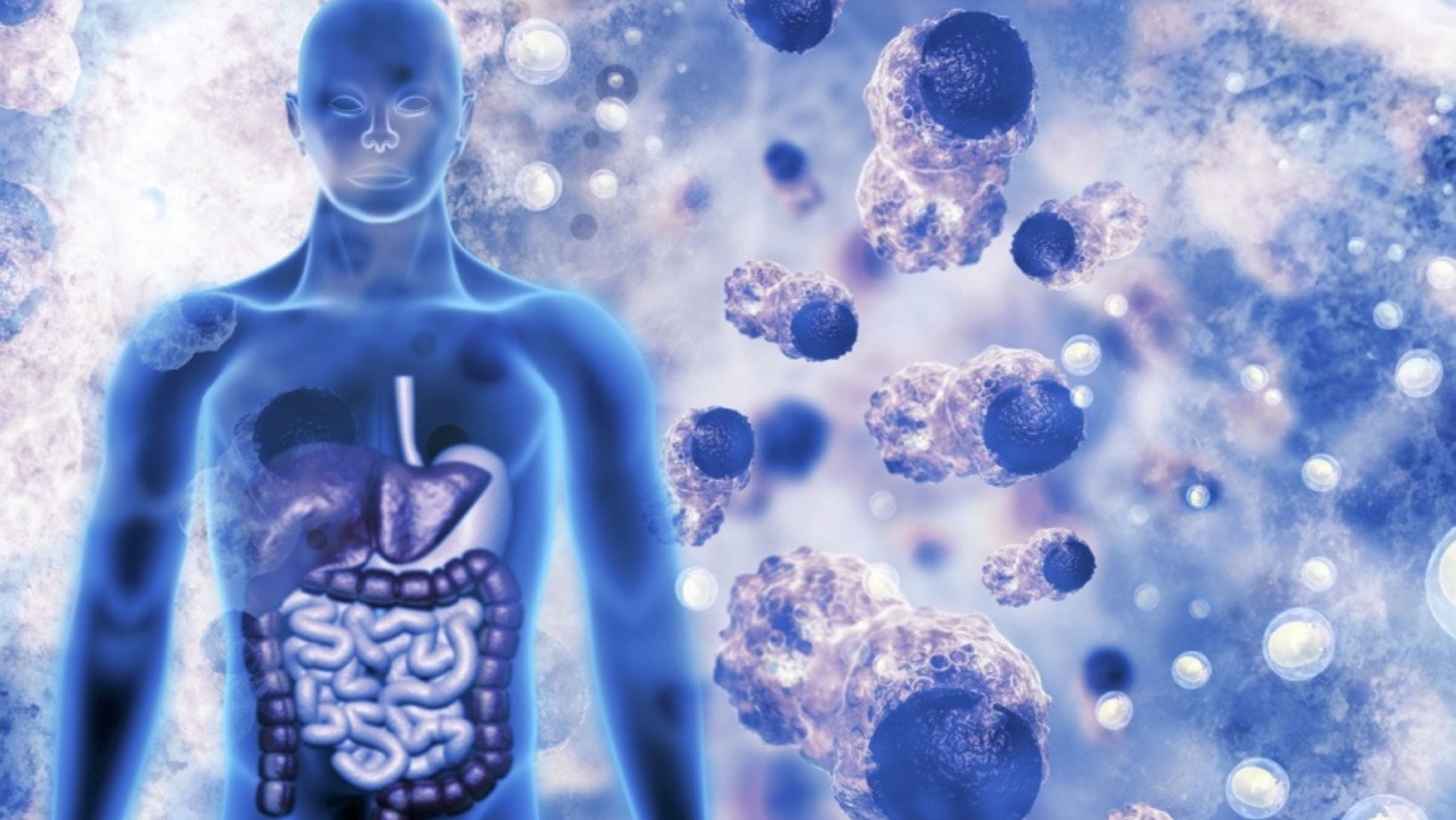
Previous studies have linked maternal infections to fetal brain changes, but most research has used viral mimics—substances that simulate viral infections without containing live viruses. The Illinois research team took a different approach by infecting pregnant mice with live influenza A virus at doses designed to replicate human seasonal flu infections.
Using this model, researchers examined how maternal immune responses interacted with fetal brain development. They found that severe infections led to structural changes in the fetal cortex, a brain region associated with human neurodevelopmental disorders.
Key Findings: Beyond Interleukin-17

Earlier research suggested that an immune protein called interleukin-17, produced by immune cells in the mother’s gut, plays a role in fetal brain changes. However, this study found no increase in interleukin-17 levels following flu infection.
Despite this, significant changes were still observed in fetal brain development. Mice exposed to higher doses of the virus showed a reduction in cortical thickness, a characteristic that has been documented in postmortem studies of individuals with schizophrenia and autism.
“We don’t think it’s ever going to be just one inflammatory molecule causing all these effects,” said senior study author Adrienne Antonson, an assistant professor in the Department of Animal Sciences at Illinois. “That’s why studying live virus infections is important rather than relying on viral mimics.”
Tracking Immune Cells in the Fetal Brain
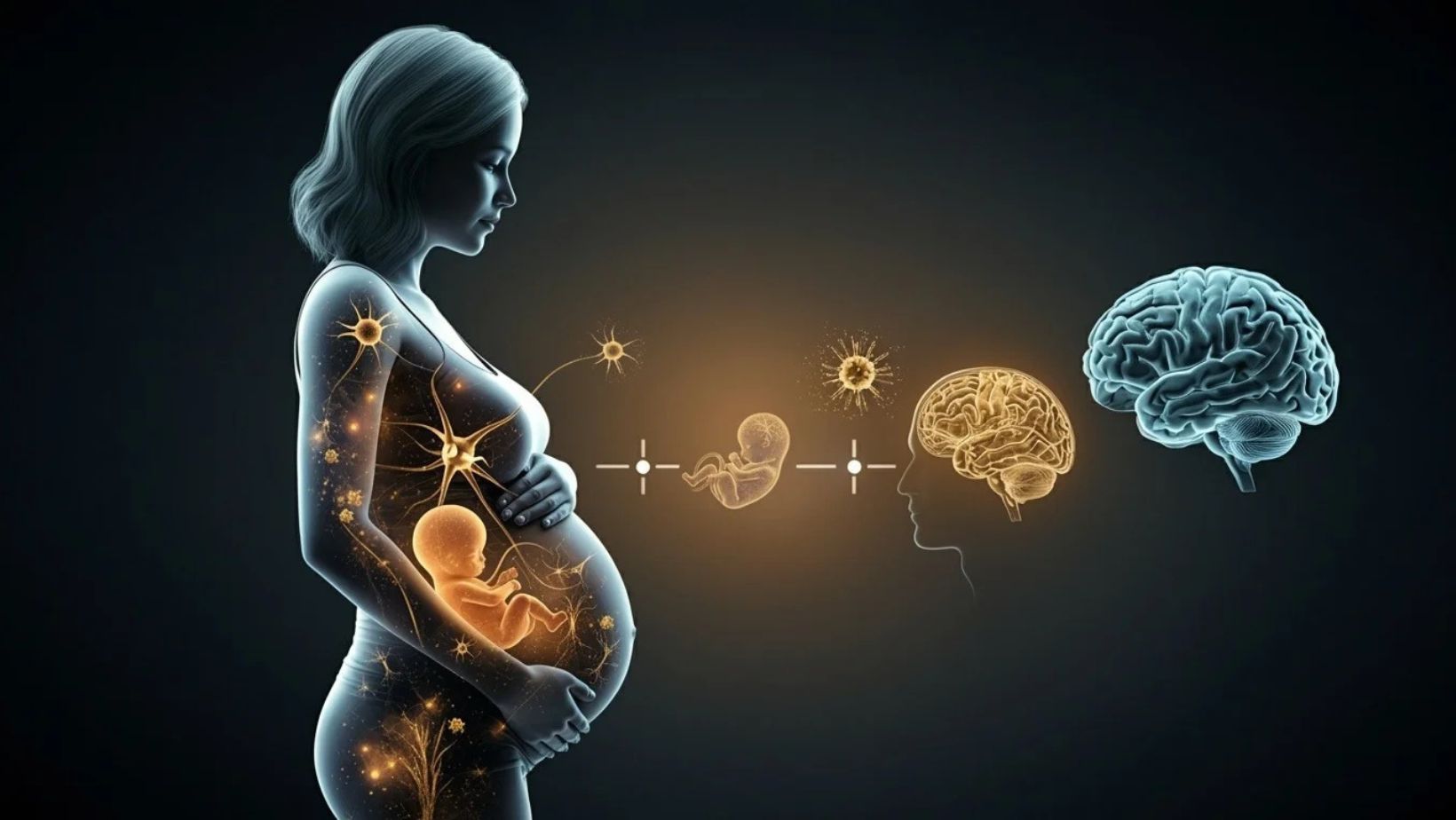
Researchers also examined microglia and border-associated macrophages (BAMs), two types of immune cells involved in brain development. In fetuses from severely infected mothers, these cells showed increased inflammatory activity. While microglia have been previously linked to brain changes in viral mimic studies, BAMs remain largely understudied.
Lead author Ashley Otero, a doctoral student in the Neuroscience Program at Illinois, plans to investigate the role of BAMs further. “We know these immune cells normally help shape the developing brain, but if they become overactive, they might interfere with healthy neural development,” Otero said.
Flu Vaccination Recommended for Pregnant Individuals

Antonson emphasized that maternal infection is only one of many factors contributing to neurodevelopmental disorders, alongside genetics, environmental exposures, and other influences. However, she encouraged pregnant individuals to get the flu vaccine to reduce their risk of severe infection.
“This study provides compelling evidence that only a subset of infections are severe enough to cause concern,” Antonson said. “But given the potential risks, flu vaccination remains an important preventive measure during pregnancy.”
The Roy J. Carver Charitable Trust, the USDA NIFA Research Capacity Fund, the Department of Animal Sciences, and the College of ACES supported the research.
Reference: Ashley M. Otero, Meghan G. Connolly, Rafael J. Gonzalez-Ricon, Selena S. Wang, Jacob M. Allen, Adrienne M. Antonson. Influenza A virus during pregnancy disrupts maternal intestinal immunity and fetal cortical development in a dose- and time-dependent manner. Molecular Psychiatry, 2024.


