
A new study suggests that the deadly H5N1 avian flu virus, which has devastated bird populations worldwide since 2021 and, in rare cases, can be transmitted to humans, may be spreading through the food-stealing behavior of certain seabirds.
Published in Conservation Letters, the research highlights a transmission pathway known as kleptoparasitism, in which species such as frigatebirds and skuas steal food by forcing other birds to regurgitate their prey. If the targeted bird is infected, its regurgitated meal may be coated with virus-laden saliva, potentially exposing the thief to the disease and enabling further spread.
A New Factor in the H5N1 Pandemic
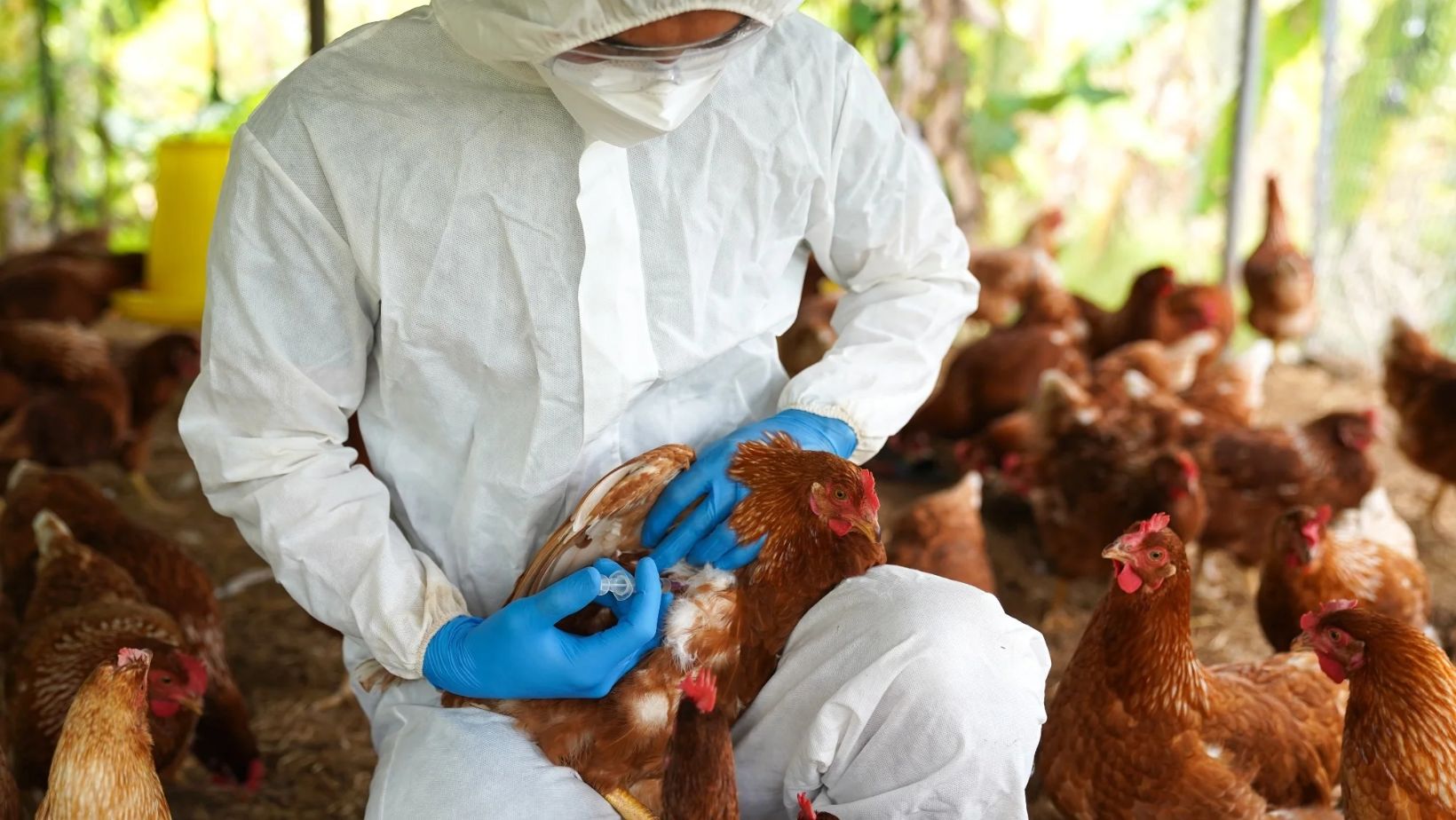
The study, led by scientists from UNSW Sydney’s Centre for Ecosystem Science in collaboration with BirdLife International, Deakin University, and Monash University, analyzed the distribution, movement, and behavior of kleptoparasitic seabirds. Researchers examined global databases for records of these species contracting the virus and reviewed literature on their feeding habits.
Lead author Simon Gorta from UNSW Science emphasized the significance of understanding transmission mechanisms, especially at large geographic scales.
“Understanding transmission is critical to monitoring and management efforts, particularly when at-risk species or regions are involved,” Gorta said. “It’s also helpful in assessing threats to other animals and people.”
H5N1 first emerged in 1996, but the current strain—2.3.4.4b—has spread further and proven more lethal than earlier variants. Since its detection in 2021, it has killed hundreds of thousands of wild seabirds. Initially confined to Eurasia and Africa, the virus reached North America in 2021, South America in late 2022, and Antarctica in early 2024, prompting its classification as a panzootic—a pandemic among animals.
Seabirds at High Risk: Avian Flu
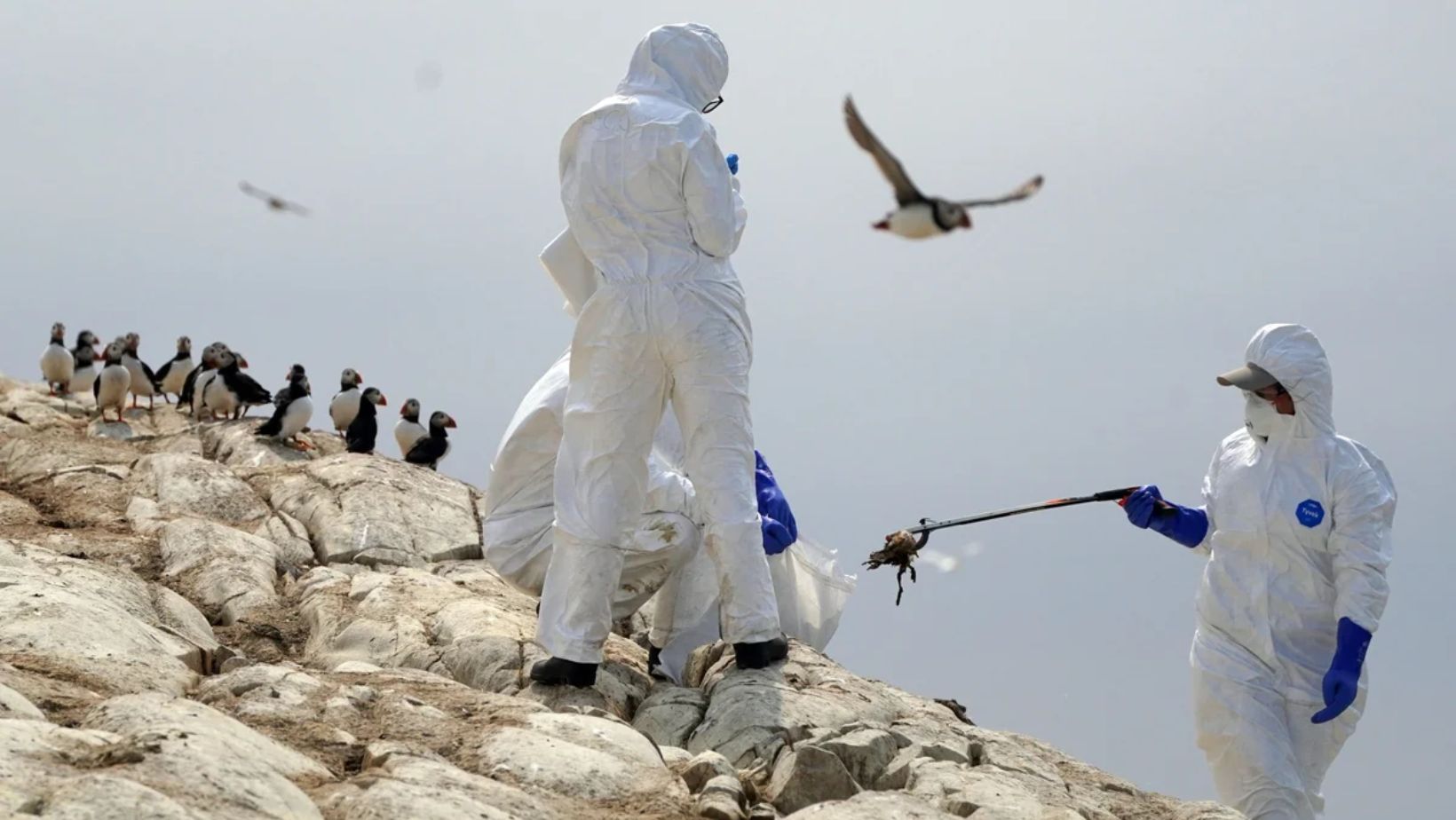
Seabirds have been disproportionately affected due to their dense breeding colonies, where close contact facilitates viral transmission. Associate Professor Rohan Clarke from Monash University underscored the vulnerability of these birds, which are already one of the most threatened avian groups on the planet.
“Seabirds have proven to be particularly susceptible to diseases like this, which is of great concern,” Clarke said.
Professor Richard Kingsford, a co-author of the study, pointed out that breeding behaviors further increase risk. “Transmission among seabirds is a real concern because of their close contact and potential contamination of communal resources on densely packed breeding islands,” he explained.
While predation and scavenging have already been identified as potential sources of transmission, the new study introduces kleptoparasitism as another risk factor. Since some of these birds migrate tens of thousands of kilometers, infected individuals could carry the virus to previously unaffected populations and regions.
Monitoring for Australia’s First Case

The H5N1 2.3.4.4b strain has not yet reached Australia, but scientists are preparing for its likely arrival. Monitoring programs, including the National Avian Influenza Wild Bird Surveillance Program, are in place to detect the virus early.
“Birds globally are already under greater threat than ever before—it is critical the risk posed by bird flu is properly researched and managed,” Gorta said. “We have identified that migratory kleptoparasites, alongside predatory and scavenging species, could be among the first to become infected when H5N1 reaches Australia.”
The study’s findings will contribute to Australia’s preparedness strategy, particularly for vulnerable subantarctic islands, as scientists work to mitigate the impact of this devastating avian flu outbreak.
Reference: Simon B. Z. Gorta, Alex J. Berryman, Richard T. Kingsford, Marcel Klaassen, Rohan H. Clarke. Kleptoparasitism in seabirds—A potential pathway for global avian influenza virus spread. Conservation Letters, 2024.


