
Researchers at EMBL Grenoble have identified crucial mutations that allow avian influenza viruses to replicate in mammalian cells, a critical step in their potential adaptation to humans. The findings, published in Nature Communications, provide new insights into how bird flu strains like H5N1 and H7N9 could evolve to pose a greater public health threat.
Bird Flu’s Growing Risk to Humans: Mutations
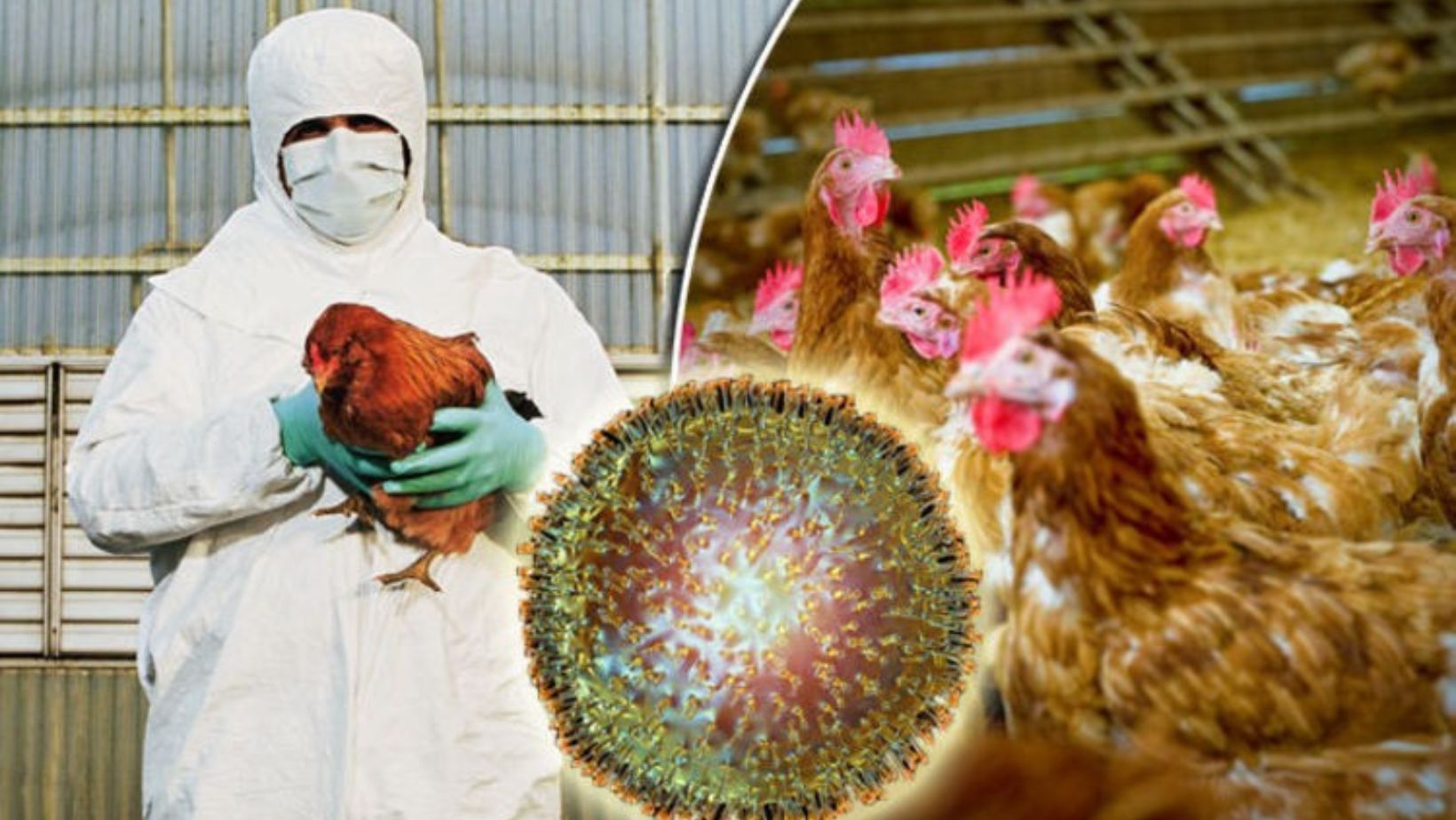
While seasonal flu viruses—Influenza A and B—are well managed through vaccination and surveillance, avian influenza remains a significant concern. Typically, bird flu does not easily infect mammals due to key biological differences between birds and humans. However, sporadic cases of avian influenza in wild and domestic mammals are becoming more frequent. Recently, an H5N1 strain was detected in dairy cattle in the United States, with a handful of human cases reported.
To infect and spread among mammals, avian flu viruses must overcome two major barriers: the ability to enter mammalian cells and the ability to replicate within them. The latest study from the Cusack group at EMBL Grenoble focuses on the latter, examining how avian flu viruses adapt their replication mechanisms to survive in mammalian hosts.
The Role of ANP32 in Viral Replication
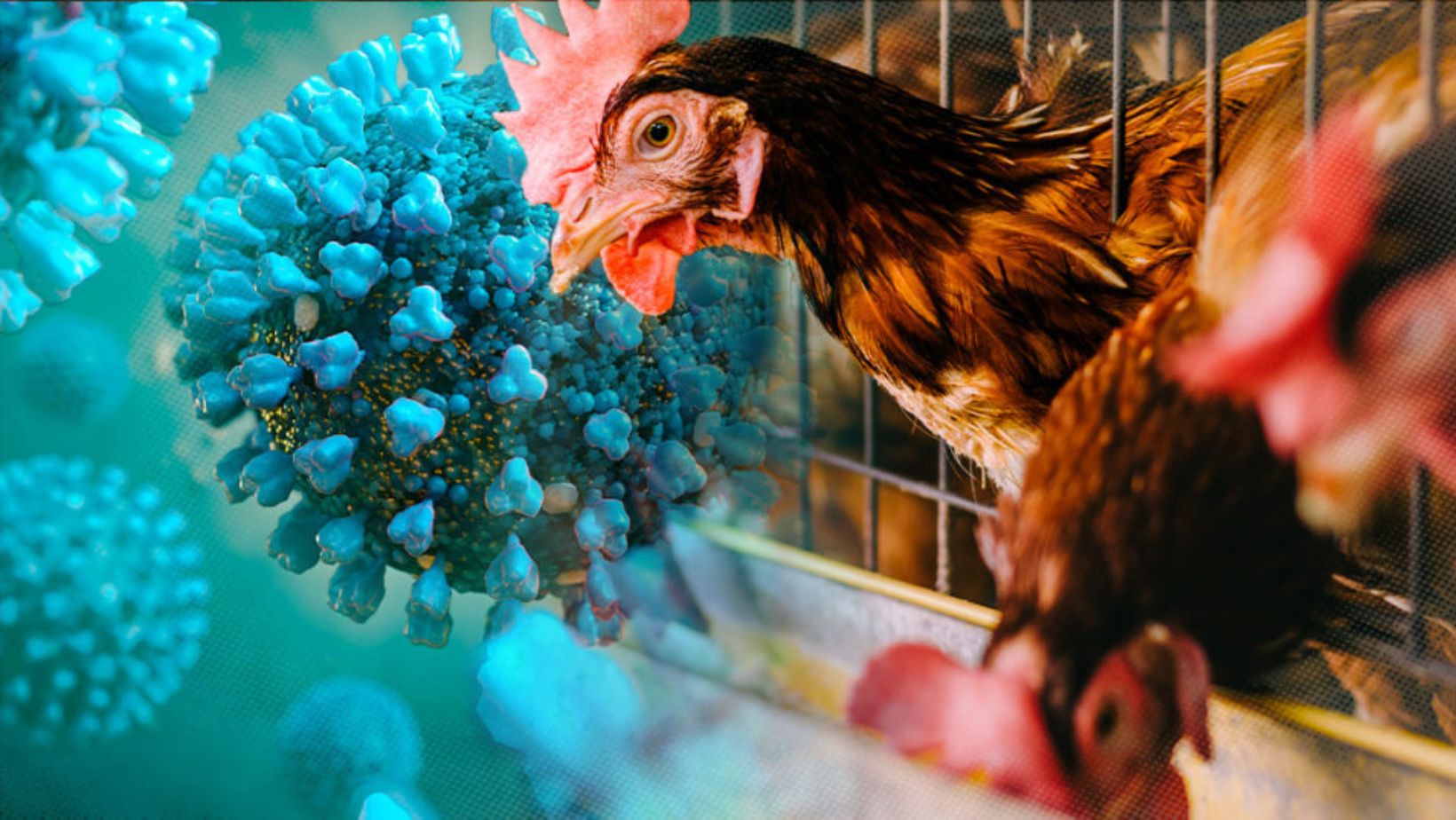
At the center of the influenza virus’s replication process is an enzyme called polymerase, which enables the virus to copy its genetic material inside host cells. This process requires assistance from a host protein called ANP32, which acts as a stabilizer. ANP32 differs between birds and mammals, making it difficult for avian flu viruses to replicate efficiently in mammalian cells.
“The key difference between avian and human ANP32 is a 33-amino-acid insertion in the avian tail, and the polymerase has to adapt to this difference,” explained Benoît Arragain, a postdoctoral fellow at EMBL Grenoble and first author of the study. “For the avian-adapted polymerase to replicate in human cells, it must acquire certain mutations to be able to use human ANP32.”
By using advanced cryo-electron microscopy and molecular analysis, the researchers mapped the structure of influenza polymerase in different states, revealing how specific mutations enable the virus to use human ANP32 for replication. Their findings provide detailed insight into which amino acids are critical for this adaptation, offering a clearer picture of how avian flu viruses evolve to become infectious in mammals.
What This Means for Future Pandemic Prevention
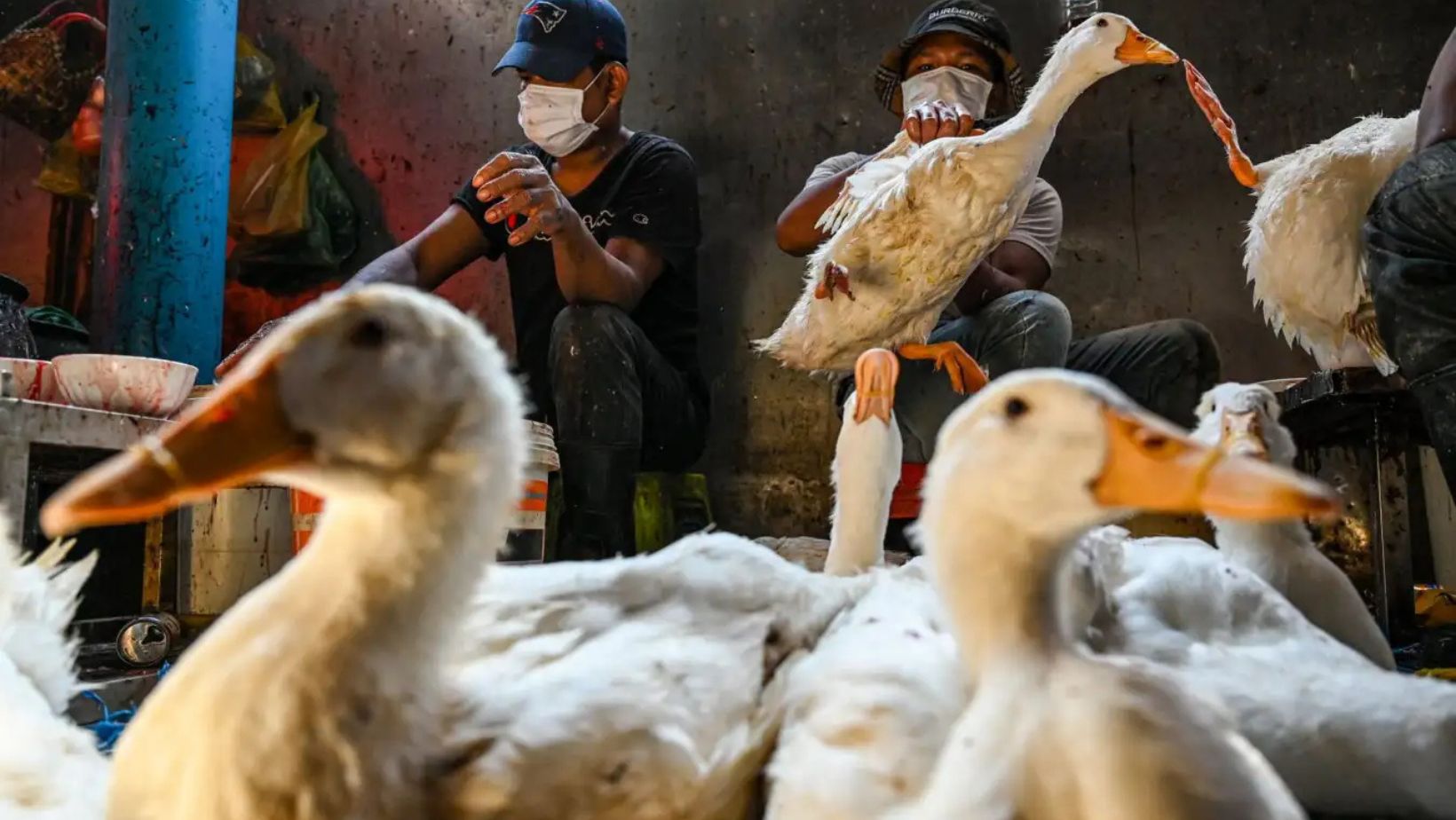
The study underscores the importance of monitoring mutations in avian flu strains, particularly in light of the recent H5N1 outbreak in dairy cattle. As more mammals become infected, the virus has more opportunities to adapt and acquire mutations that could allow it to spread among humans.
“The threat of a new pandemic caused by highly pathogenic, human-adapted avian influenza strains with a high mortality rate needs to be taken seriously,” said Stephen Cusack, senior scientist at EMBL Grenoble. “Knowing this structure allows us to interpret mutations and assess if a strain is on the path of adaptation to infect and transmit between mammals.”
Next Steps in Research and Vaccine Development: Mutations
Beyond surveillance, the findings could aid in the development of antiviral drugs targeting the replication complex, a currently untapped area of flu treatment. Future research will focus on understanding how the viral replication process works dynamically, providing further opportunities to disrupt it before avian influenza poses a widespread human health risk.
While the study represents a major step forward, Cusack and his team emphasize that much work remains. “This is just the beginning,” he said. “What we want to do next is understand how the replication complex functions in real time, which could open up new possibilities for prevention and treatment.”
Reference: Benoît Arragain, Tim Krischuns, Martin Pelosse, Petra Drncova, Martin Blackledge, Nadia Naffakh, Stephen Cusack. Structures of influenza A and B replication complexes give insight into avian to human host adaptation and reveal a role of ANP32 as an electrostatic chaperone for the apo-polymerase. Nature Communications, 2024.


