
A team of researchers led by the University of California, Irvine, has identified a new type of skeletal tissue that could transform regenerative medicine and tissue engineering. Dubbed “lipocartilage,” this newly discovered tissue, found in mammals’ ears, nose, and throat, is packed with fat-filled cells called “lipochondrocytes,” providing strength and flexibility.
Unlike most cartilage, which depends on an extracellular matrix for support, lip cartilage maintains its stability through internal lipid reservoirs. The discovery, published today in Science, opens new doors for medical applications, including reconstructive procedures for facial injuries and congenital disabilities.
A Unique Structural Breakthrough in Regenerative Medicine
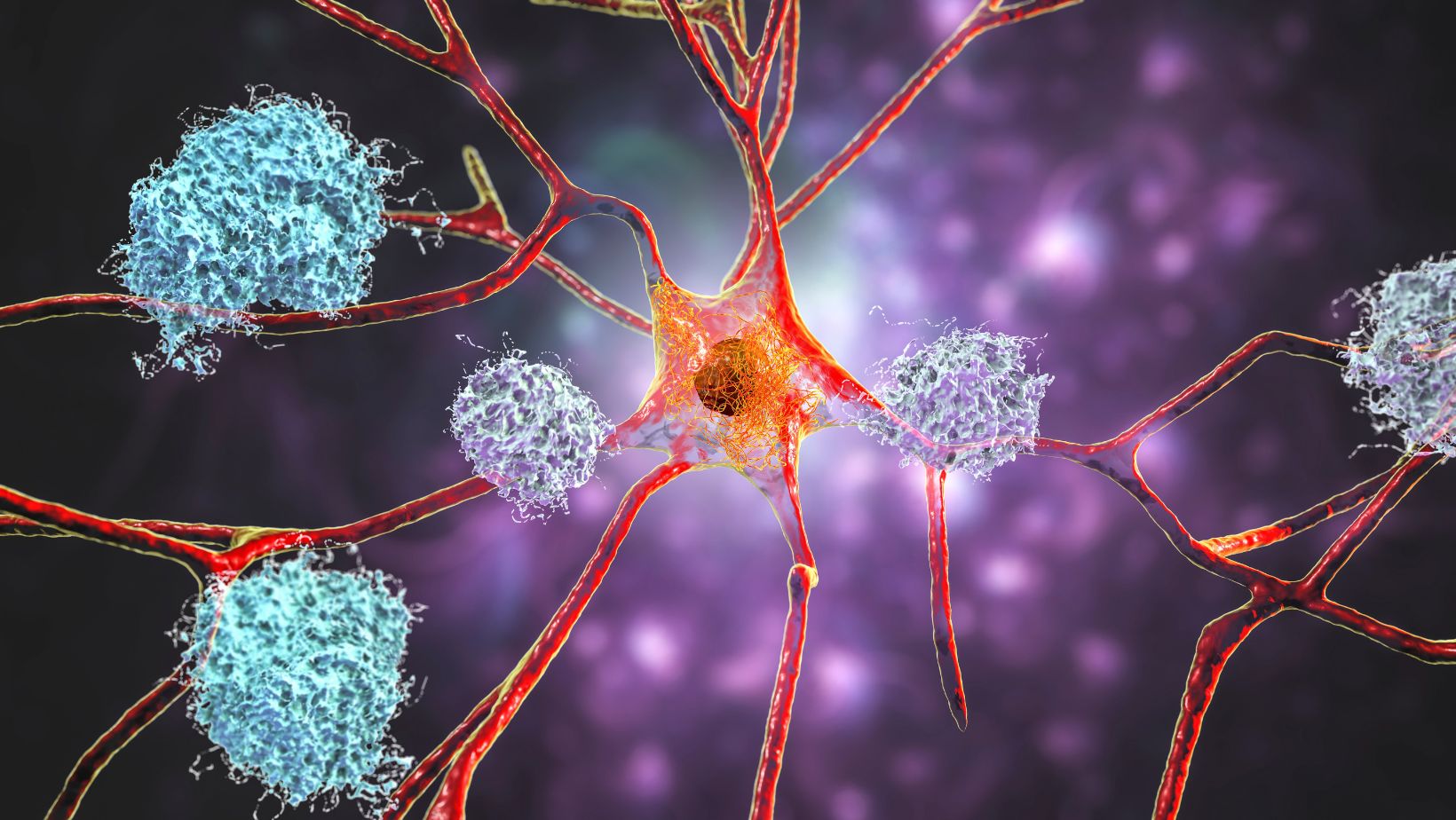
Lipocartilage’s defining feature is its ability to remain soft and resilient, much like bubbled packaging material. According to the study, lipochondrocytes create and maintain their lipid stores, which stay constant in size regardless of food availability—unlike typical fat cells, which expand or shrink depending on nutritional intake.
“Lipocartilage’s resilience and stability provide a compliant, elastic quality that’s perfect for flexible body parts such as earlobes or the tip of the nose,” said Maksim Plikus, professor of developmental and cell biology at UC Irvine and the study’s corresponding author. “This discovery could lead to groundbreaking advances in regenerative medicine, allowing us to engineer customized, living cartilage without the need for painful and invasive tissue harvesting.”
Currently, cartilage reconstruction often requires removing tissue from a patient’s rib—a procedure that comes with risks and complications. Plikus and his team suggest that in the future, patient-specific lipo chondrocytes could be derived from stem cells, purified, and then used to 3D-print custom-shaped cartilage for medical applications.
Forgotten Discovery Revived With Modern Science

Although lipocartilage was first noted in 1854 by German scientist Dr. Franz Leydig—who observed fat droplets in the cartilage of rat ears—the significance of the finding was largely forgotten. UC Irvine researchers have fully characterized the tissue’s molecular structure and metabolic function using advanced imaging and biochemical tools.
One key breakthrough in the study was identifying the genetic process stabilizing tip cartilage. Researchers found that enzymes responsible for breaking down fats are suppressed within these cells, effectively locking in their lipid reserves. Lip cartilage becomes stiff and brittle when stripped of its fat, highlighting how essential its unique cellular makeup is to maintaining flexibility.
Implications for Medicine and Bioengineering
The study also uncovered how lip cartilage adapts in different mammals. For instance, bats have intricate patterns of lipo chondrocytes in their oversized ears, which may enhance hearing by modulating sound waves. This suggests that the tissue has evolved to serve specialized functions in different species.
“The discovery of lip cartilage challenges existing views on biomechanics and opens doors to new research,” said lead author Raul Ramos, a postdoctoral researcher at UC Irvine. “We’re eager to explore how these cells maintain their stability over time and how they could be harnessed for medical applications.”
With further research, scientists hope to develop ways to engineer lip cartilage for reconstructive surgeries, transforming treatments for cartilage-related conditions. The study involved researchers from multiple countries, including the U.S., Australia, Japan, Germany, and South Korea, as well as veterinarians from the Serrano Animal & Bird Hospital and the Santa Ana Zoo.
As scientists continue to unlock the potential of tip cartilage, the discovery could mark a turning point in regenerative medicine and tissue engineering, offering new hope for patients needing advanced reconstructive treatments.
Reference: Michelle Digman, David E. James, Amy E. Merrill, Qing Nie, Thomas F. Schilling, Aliaksandr A. Astrowski, Eric O. Potma, Martín I. García-Castro, Kyriacos A. Athanasiou, Richard R. Behringer, Maksim V. Plikus. Superstable lipid vacuoles endow cartilage with its shape and biomechanics. Science, 2025.


