A new study from Rutgers Health suggests that a commonly used diabetes drug medication may offer a less painful and more affordable treatment option for patients with congenital generalized lipodystrophy (CGL). This rare genetic condition causes severe metabolic complications. The findings, published in The New England Journal of Medicine, indicate that a weekly injection of tripeptide—found in drugs like Mounjaro and Zepbound—could replace daily hormone shots currently used to manage the disease.
A Rare and Severe Condition


CGL affects only a few thousand people worldwide, resulting in a near-total absence of fat tissue. Without proper fat storage, fat accumulates in organs such as the liver, leading to extreme insulin resistance, diabetes, and a significantly reduced life expectancy.
“These patients are severely ill and face markedly reduced life expectancy due to profound insulin resistance,” said Dr. Christoph Buettner, chief of endocrinology, metabolism, and nutrition at Rutgers Robert Wood Johnson Medical School and senior author of the study.
Currently, the standard treatment for CGL involves daily injections of metreleptin, a synthetic form of leptin, a hormone produced by fat tissue. However, these injections are not only painful—since patients lack fat for proper absorption—but also come with an annual cost of hundreds of thousands of dollars.
“When you inject yourself with, for example, insulin, you inject into subcutaneous fat, but these patients don’t have that,” said Dr. Svetlana Ten, associate professor of pediatrics and first author of the study. “Each injection is painful.”
New Diabetes Drug Shows Promising Results
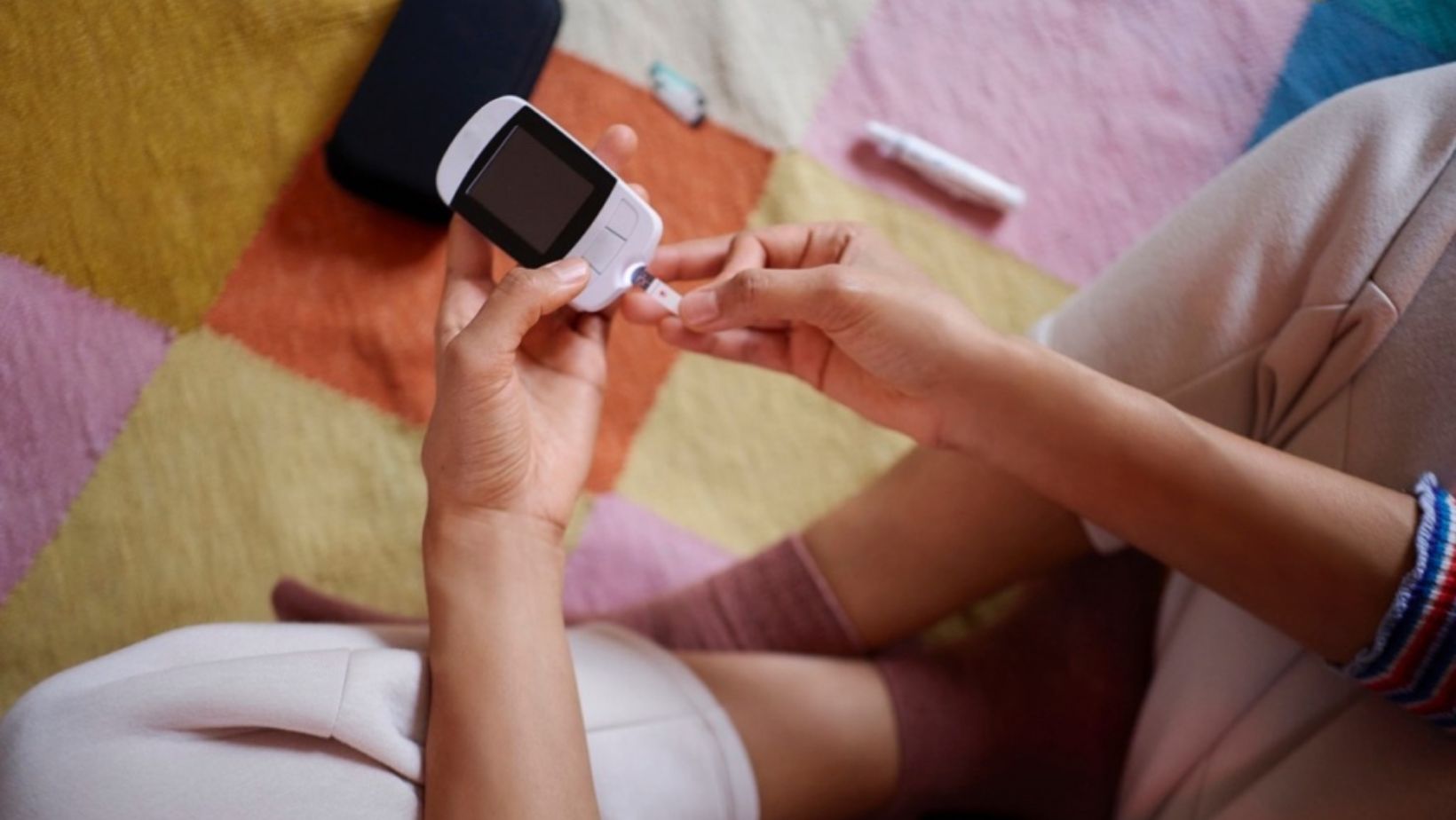
The Rutgers study explored whether tripeptide, a drug known to improve insulin resistance in diabetes and obesity, could also benefit CGL patients. Unlike metreleptin, tripeptide is administered once a week, making it a potentially less burdensome treatment option.
The first trial patient, a 23-year-old man who had refused leptin and insulin injections for two years, experienced a dramatic improvement after starting tripeptide. His average blood glucose dropped from 252 to 128 milligrams per deciliter on the highest dose within three weeks.
Additionally, the percentage of his blood sugar readings within the healthy range increased from just 8% to 93%, allowing him to stop insulin injections entirely.
A second patient, a 64-year-old woman who had required supplemental insulin because leptin alone wasn’t enough to control her blood sugar, also saw significant improvement. With tripeptide, she achieved normal blood glucose levels without additional insulin.
Implications and Future Research on Diabetes Drug

The results were unexpected, according to researchers. While leptin and tripeptide impact metabolism through brain signaling, they do so via different pathways. The study suggests that the mechanisms of leptin and GLP-1 receptor agonists like tripeptide may be more interconnected than previously thought.
“The surprise here was that when we stopped leptin and gave tripeptide, the patient was very well controlled, probably better than while she was taking leptin,” Buettner said.
The researchers plan to conduct a larger trial to evaluate tirzepatide’s effectiveness for CGL patients further. However, recruiting participants may prove difficult due to the condition’s rarity.
If further studies confirm these initial results, tripeptide could become a game-changing treatment for CGL, offering patients a less painful, more convenient, and potentially more affordable alternative to daily leptin injections. However, experts caution that additional research is needed to determine the drug’s long-term safety and effectiveness in this unique patient population.
Reference: Svetlana Ten, Amrit Bhangoo, Christoph Buettner. Tirzepatide for Congenital Generalized Lipodystrophy. New England Journal of Medicine, 2025.