A new study co-led by Cedars-Sinai has uncovered a biological pathway by which immune cells prevent the lungs from healing after viral infections such as COVID-19. The findings, published in Nature, could lead to new therapeutic treatments aimed at preventing long-term lung damage.
Lung Scarring: A Severe Consequence of Viral Infections
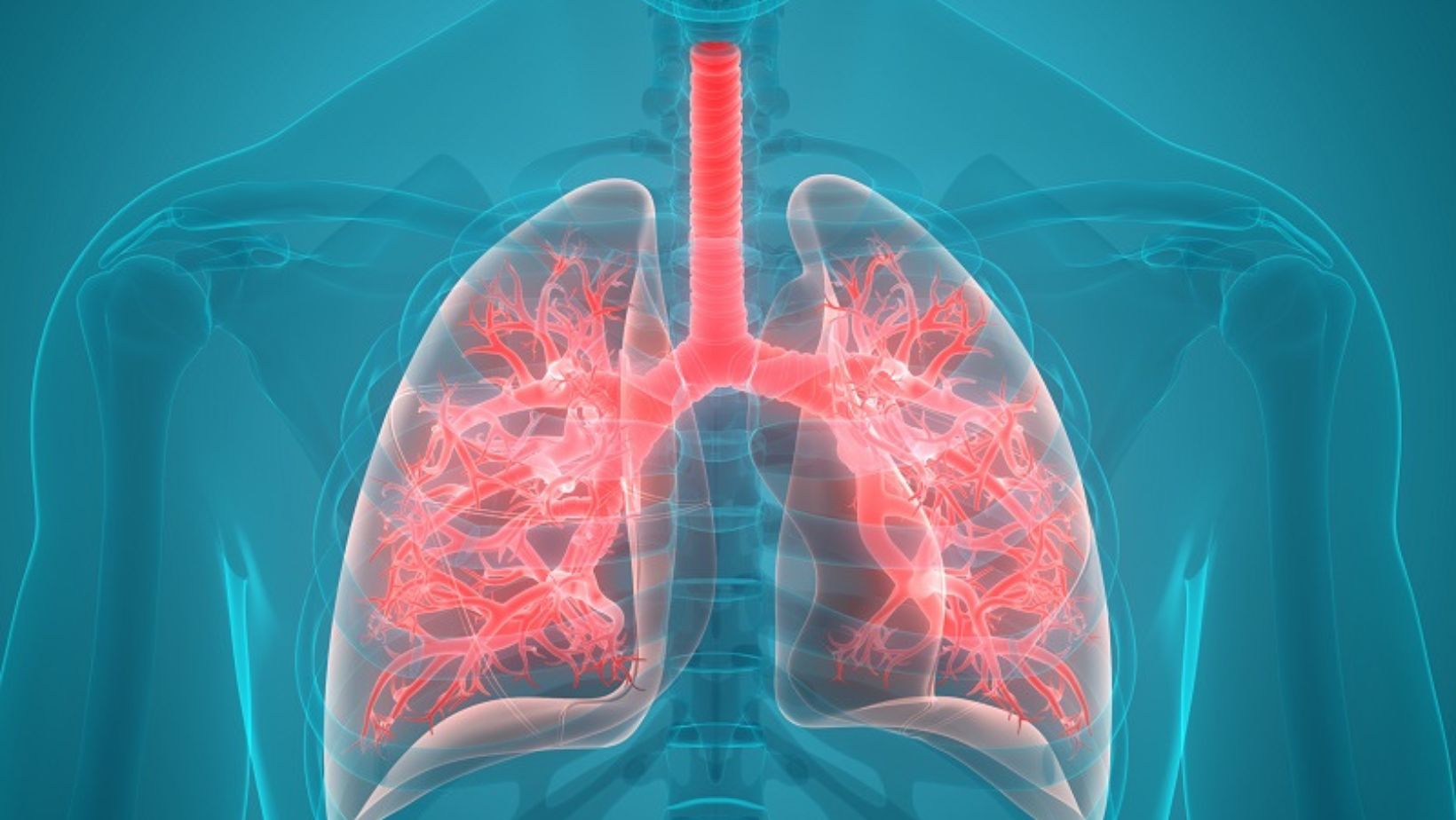

The COVID-19 pandemic has shed light on the long-term effects of viral infections, known as long COVID or post-acute sequelae of SARS-CoV-2. One of the most severe complications is pulmonary fibrosis, a condition characterized by lung scarring that can cause significant breathing difficulties. In some cases, patients require oxygen therapy or even lung transplants. Currently, treatment options for this condition remain limited.
“This study sought to understand the pathways that led to abnormal repair in the lungs that produced a scar-forming environment,” said Dr. Peter Chen, co-corresponding author of the study and interim chair of the Department of Medicine at Cedars-Sinai. “Our findings may lead to therapeutic strategies to prevent fibrotic lung disease after viral illnesses.”
Immune Cells Identified as a Barrier to Lung Repair

To investigate how lung fibrosis develops after viral infections, researchers used models of post-viral lung disease, applying molecular profiling and imaging techniques. They identified CD8+ T cells—key immune cells—as a primary factor preventing lung tissue from properly healing after infection.
The study’s findings were further validated using patient samples from individuals suffering from post-acute sequelae of SARS-CoV-2 pulmonary fibrosis. The results confirmed that these immune cells play a central role in the persistence of lung scarring.
“Although we based the work on post-acute sequelae of SARS-CoV-2 pulmonary fibrosis, other viral pandemics in the past have also demonstrated an ability to cause lung scarring after infection—such as swine flu,” said Dr. Jie Sun, co-corresponding author and professor of medicine at the University of Virginia School of Medicine. “The research and broader medical field must be prepared and better understand how to prevent adverse outcomes stemming from these viruses.”
Implications for Future Treatment

The study suggests that targeting immune pathways involved in lung repair could offer new treatment options for individuals suffering from post-viral complications. The research team believes their work could have broader implications beyond COVID-19, offering insights into other forms of lung fibrosis caused by viral infections.
Chen, Sun, and their colleagues—including researchers from Cedars-Sinai and other institutions—hope their findings will contribute to the development of therapies that could prevent or reverse lung damage, ultimately improving outcomes for patients affected by long-term respiratory complications.
Reference: Harish Narasimhan, In Su Cheon, Wei Qian, Sheng’en Shawn Hu, Tanyalak Parimon, Chaofan Li, Nick Goplen, Yue Wu, Xiaoqin Wei, Young Min Son, Elizabeth Fink, Gislane de Almeida Santos, Jinyi Tang, Changfu Yao, Lyndsey Muehling, Glenda Canderan, Alexandra Kadl, Abigail Cannon, Samuel Young, Riley Hannan, Grace Bingham, Mohammed Arish, Arka Sen Chaudhari, Jun sub Im, Cameron L. R. Mattingly, Patcharin Pramoonjago, Alberto Marchesvsky, Jeffrey Sturek, Jacob E. Kohlmeier, Yun Michael Shim, Judith Woodfolk, Chongzhi Zang, Peter Chen, Jie Sun. An aberrant immune–epithelial progenitor niche drives viral lung sequelae. Nature, 2024.