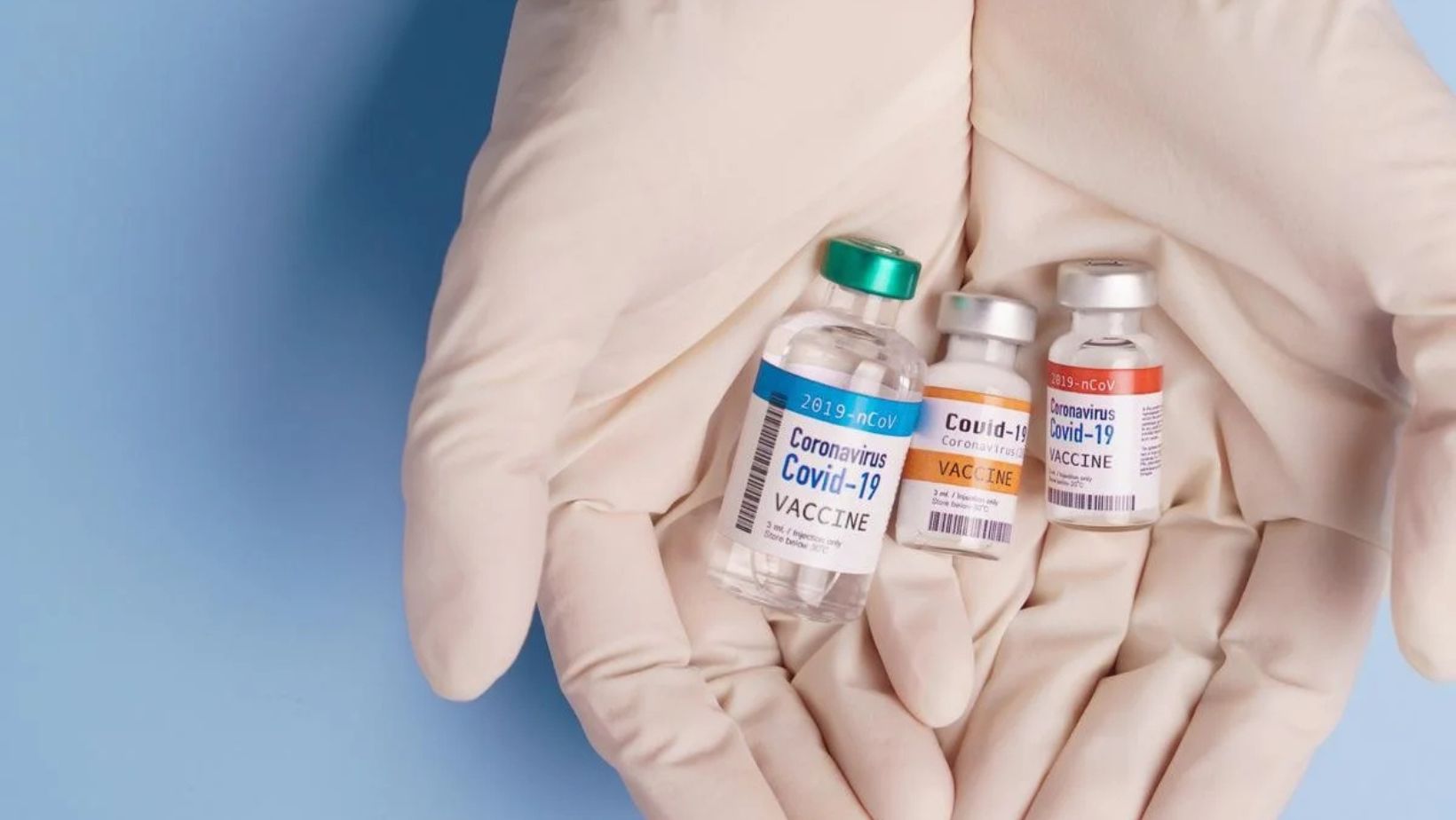
A new study from Washington University School of Medicine in St. Louis suggests that nasal COVID-19 vaccine may be more effective than traditional injections in preventing the spread of the virus. Researchers found that vaccinated hamsters that received a nasal vaccine did not transmit the virus to others, while those that received an injected vaccine continued to spread the infection.
The study, published July 31 in Science Advances, highlights the potential of mucosal vaccines—administered through the nose or mouth—to contain respiratory infections such as COVID-19 and influenza. The findings could shape the future of vaccine development, particularly as health experts prepare for the possibility of emerging viral threats, including avian flu.
Stopping Transmission at the Source
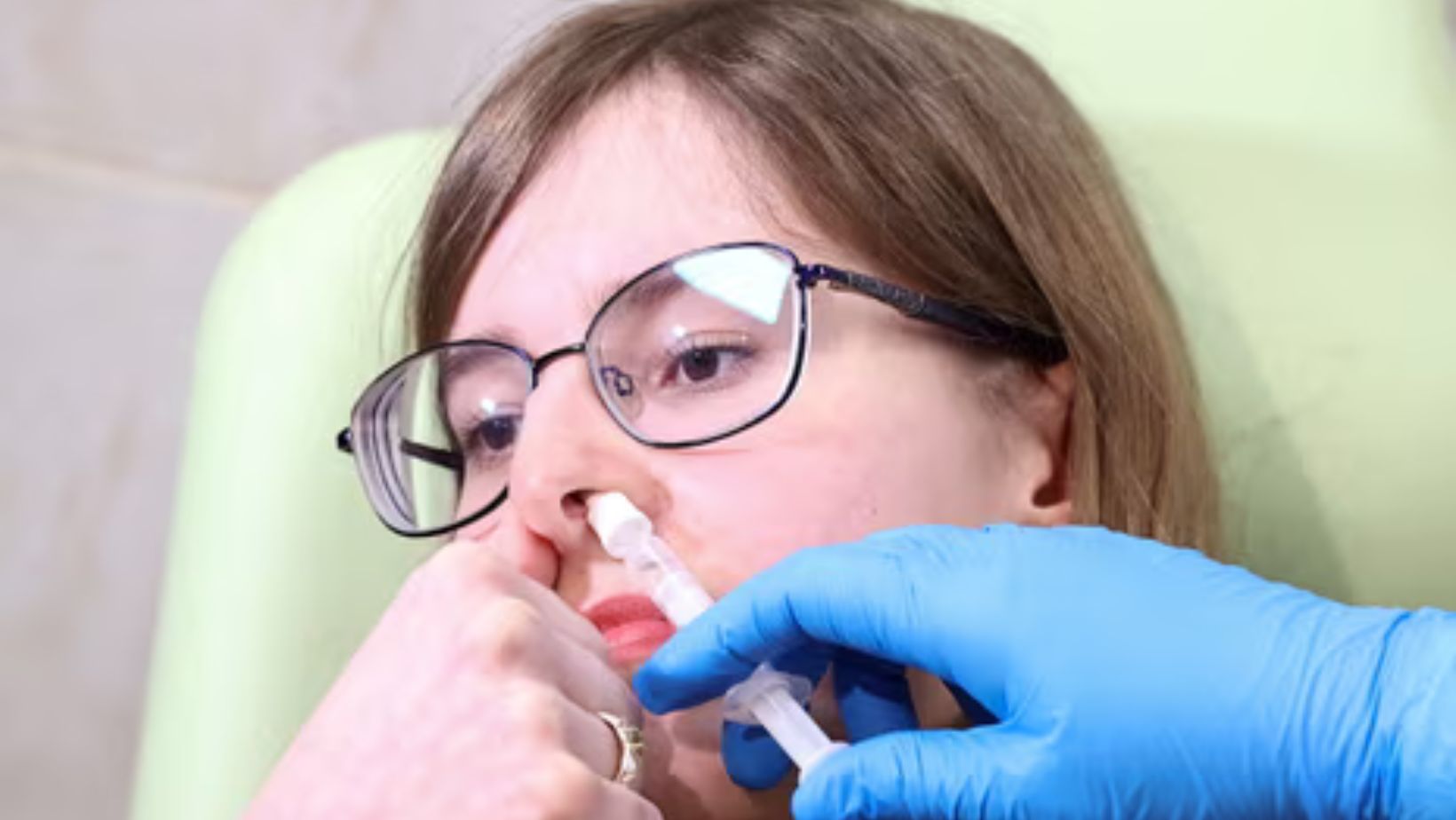

Traditional COVID-19 vaccines, while effective in reducing severe illness and death, have not entirely stopped the spread of the virus. This is partly because injectable vaccines generate immune responses primarily in the bloodstream, leaving the upper airways—where respiratory viruses multiply—less protected.
“To prevent transmission, you need to keep the amount of virus in the upper airways low,” said senior author Jacco Boon, PhD, a professor at Washington University. “This study shows that mucosal vaccines are superior to injected vaccines in terms of limiting viral replication in the upper airways and preventing spread to the next individual.”
Hamster Study Demonstrates Effectiveness: COVID-19 Vaccine
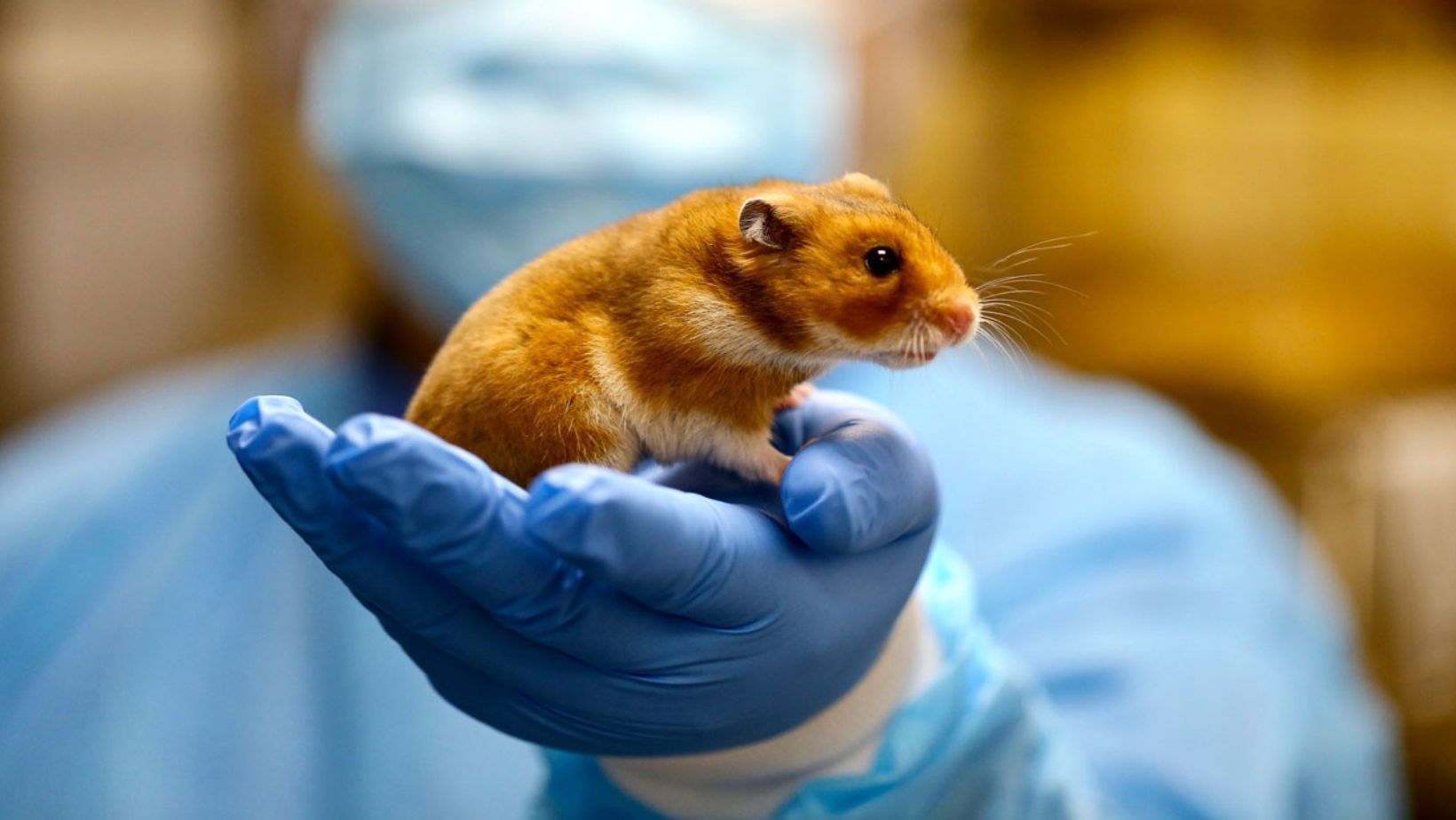
Researchers tested the nasal vaccine iNCOVACC—approved for use in India—alongside the injected Pfizer COVID-19 vaccine. Hamsters were immunized, given time to develop an immune response, and then exposed to infected animals.
While most vaccinated hamsters became infected, those who received the nasal vaccine had virus levels in their airways up to 100,000 times lower than those who received an injection or were unvaccinated. The most notable finding came when infected animals were placed with healthy hamsters. None of the healthy hamsters exposed to nasally vaccinated animals became infected, while approximately half of those exposed to animals vaccinated by injection contracted the virus.
Implications for Future Vaccines
The research underscores the potential of nasal vaccines in controlling respiratory infections. Developing such vaccines has historically been difficult, but Boon believes this area of study could lead to significant advancements in disease prevention.
“There’s still so much we don’t know about the kind of immune response we need and how to elicit it,” Boon said. “I think we’re going to see a lot of fascinating research in the next few years that could lead to big improvements in vaccines for respiratory infections.”
As scientists refine vaccine technology, mucosal vaccines may play a critical role in future pandemic responses and the fight against airborne viruses.
Reference: Tamarand L. Darling, Houda H. Harastani, Astha Joshi, Traci L. Bricker, Nadia Soudani, Kuljeet Seehra, Ahmed O. Hassan, Michael S. Diamond, Adrianus C. M. Boon. Mucosal immunization with ChAd-SARS-CoV-2-S prevents sequential transmission of SARS-CoV-2 to unvaccinated hamsters. Science Advances, 2024.