Sunlight is vital for life, but new research shows it can also fuel one of the most common forms of cancer. A study published in Oncogene reveals that ultraviolet (UV) light activates an enzyme called protein kinase D, which helps skin cancer cells survive and multiply. This discovery sheds light on how UV radiation contributes to the alarming rise of non-melanoma skin cancers in the U.S., which sees about one million new cases annually.
The Double-Edged Sword of Protein Kinase D and Skin Cancer
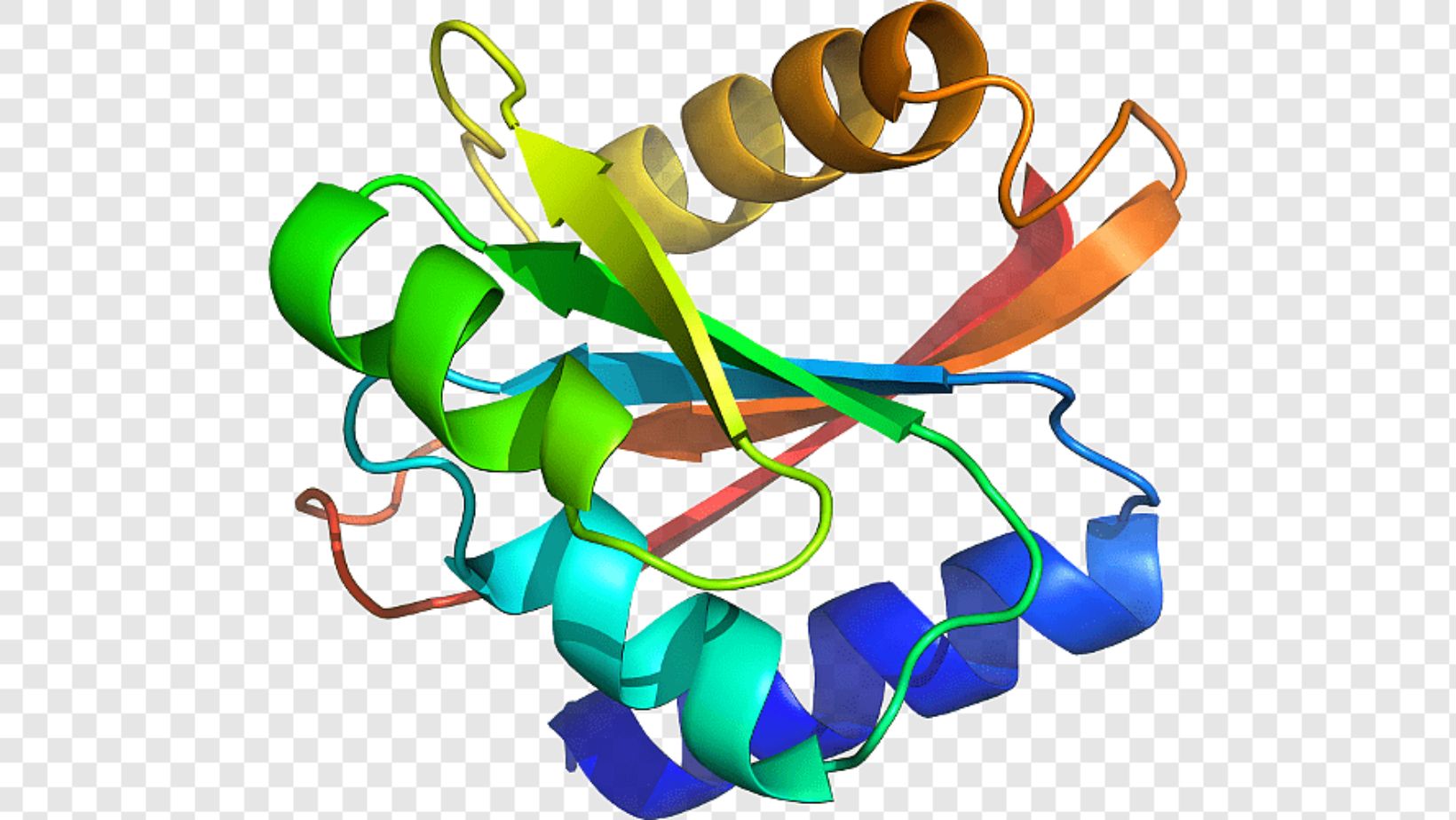

Under normal circumstances, protein kinase D is a helpful enzyme. It plays a critical role in skin cell growth, ensuring the constant replacement of cells lost through natural processes, like friction from clothing. However, Dr. Wendy Bollag, a cell physiologist at the Medical College of Georgia and the Charlie Norwood Veterans Affairs Medical Center, explains that protein kinase D can turn from friend to foe when overactivated by UV radiation.
“It’s good when regulated properly,” Bollag notes, “but when it misbehaves, it allows damaged skin cells to survive instead of self-destructing, paving the way for cancer development.”
UV exposure increases protein kinase D activity, enabling cells with significant DNA damage to evade natural defense mechanisms, such as apoptosis (programmed cell death). Over time, these damaged cells can accumulate mutations that lead to basal cell carcinoma and other non-melanoma skin cancers.
A Wake-Up Call for Sun Protection

The research underscores how cumulative and dose-dependent UV exposure increases skin cancer risk. The more sun your skin absorbs over time, the greater the activation of this enzyme. This makes sun protection, especially as we age, essential to reducing skin cancer risks.
Interestingly, Bollag’s team found that antioxidants might hold promise in reducing protein kinase D activation. Antioxidants counteract free radicals, unstable molecules produced by UV exposure, which play a role in the enzyme’s activation.
These findings suggest a potential avenue for future treatments, possibly combining antioxidant-based therapies with protein kinase D inhibitors currently being explored for other cancers.
Balancing UV Risks of Skin Cancer and Benefits

Despite its risks, UV radiation isn’t all bad. It’s a primary source of vitamin D, essential for bone, breast, and vascular health. Bollag notes that some cancers, like prostate cancer, are more prevalent in regions with lower sun exposure, highlighting the importance of balance.
While non-melanoma skin cancers arise from keratinocytes—the primary cells responsible for skin’s barrier function—melanomas develop from melanocytes, the pigment-producing cells. Bollag’s team now plans to investigate protein kinase D’s role in the more aggressive melanoma cancers.
What’s Next for Research?

The team also wants to explore whether protein kinase D activity changes with age. They suspect it decreases as skin cell turnover slows, but aging cells may struggle to repair UV damage effectively.
With these findings, the study offers a clearer picture of how cancer hijacks the body’s natural systems and points to potential new strategies for prevention and treatment. It’s a reminder of why moderation in sun exposure and vigilant skin care is critical—because even the sunniest days come with risks.
A Veterans Affairs Merit Award and the National Institute of Arthritis, Musculoskeletal and Skin Diseases funded this research.
Reference: Medical College of Georgia. “Ultraviolet light helps skin cancer cells thrive, researchers report.” ScienceDaily. ScienceDaily, 7 December 2010. <www.sciencedaily.com/releases/2010.