A team of scientists from UTHealth Houston and Baylor College of Medicine has detected the H5N1 avian influenza virus in wastewater samples across 10 Texas cities. The findings, published in the New England Journal of Medicine, mark a significant development in tracking the virus, which has already spread to cattle and infected 14 people in the U.S. this year.
Widespread Detection Across Multiple Locations


Between March 4 and July 15, researchers analyzed wastewater samples from 23 sites and found H5N1 in 22 of them. Out of 399 samples tested, 100 contained traces of the virus. Prior to March 2024, the virus had not been detected in 1,337 wastewater samples collected by the team.
The study used virome sequencing, a technique that identifies all viruses present in a given sample. This method, developed through the Texas Epidemic Public Health Institute (TEPHI), allows scientists to monitor viral evolution and potential adaptation to new hosts, including humans.
Low Risk to Public Health—For Now
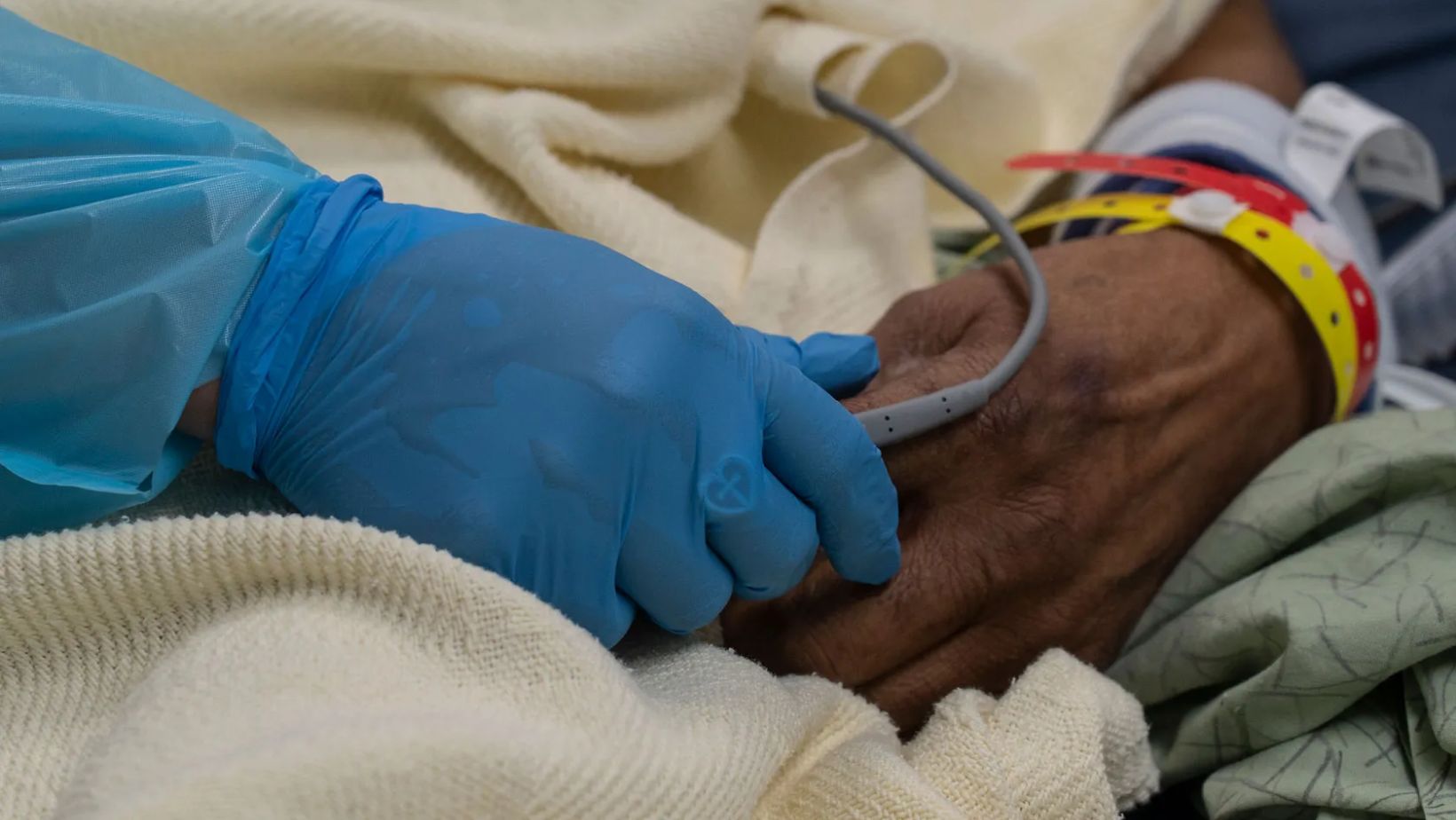
Despite the detection of H5N1 in wastewater, researchers noted that its presence did not correlate with an increase in influenza-related hospitalizations. This suggests that the viral load in wastewater likely originates from animals rather than human infections.
“The lack of clinical burden in humans and genomic information indicates that the source of the virus load found in wastewater during this time span came from animal origins,” the researchers concluded.
However, they emphasized the importance of continued surveillance to detect any genetic changes that might indicate the virus is adapting to mammals, particularly humans.
Surveillance Efforts of H5N1 Continue

UTHealth Houston and Baylor College of Medicine have been using wastewater testing to track viruses since May 2022. Through this program, they have identified over 400 human and animal viruses, including SARS-CoV-2, influenza, and mpox, many of which have closely aligned with clinical case data in the population.
The team’s sequencing protocol uses a viral probe capture set to monitor thousands of viral species and variants. By analyzing genetic changes, researchers aim to detect early warning signs of potential human adaptation.
The lead authors of the study include Dr. Michael J. Tisza of Baylor, Dr. Blake Hanson of UTHealth Houston, Dr. Eric Boerwinkle, director of TEPHI, and Dr. Anthony W. Maresso of Baylor. Both Boerwinkle and Hanson are also affiliated with The University of Texas MD Anderson Cancer Center UTHealth Houston Graduate School of Biomedical Sciences.
With H5N1 now appearing in wastewater, scientists remain vigilant in tracking its evolution. Continued monitoring will be crucial to identifying any mutations that could increase the virus’s ability to spread among humans.
Reference: Michael J. Tisza, Blake M. Hanson, Justin R. Clark, Li Wang, Katelyn Payne, Matthew C. Ross, Kristina D. Mena, Anna Gitter, Sara J. Javornik Cregeen, Juwan Cormier, Vasanthi Avadhanula, Austen Terwilliger, John Balliew, Fuqing Wu, Janelle Rios, Jennifer Deegan, Pedro A. Piedra, Joseph F. Petrosino, Eric Boerwinkle, Anthony W. Maresso. Sequencing-Based Detection of Avian Influenza A(H5N1) Virus in Wastewater in Ten Cities. New England Journal of Medicine, 2024.