
In the skincare world, innovation often comes from the most unexpected places. From snail mucin—commonly known as snail slime—to marine algae, scientists constantly push the boundaries to uncover ingredients with transformative properties. But the latest discovery might be the strangest yet: molecules made by fish gut bacteria found in the guts of fish.
Researchers reporting in the journal ACS Omega have identified compounds produced by microbes living in the intestines of the red seabream and blackhead seabream, two fish species found in the western Pacific Ocean. These compounds have shown significant potential for anti-aging and skin-brightening applications, paving the way for a future where fish gut bacteria may play a key role in skincare products.
The Science Behind the Discovery of Fish Gut Bacteria

The study, led by researchers Hyo-Jong Lee and Chung Sub Kim, focused on the potential cosmetic benefits of bacteria discovered decades ago but largely overlooked. The team identified 22 distinct molecules produced by these gut microbes and tested their effects on cultured mouse cells.
Specifically, the researchers evaluated the compounds’ ability to inhibit two enzymes critical to skin aging: tyrosinase and collagenase. Tyrosinase is responsible for melanin production, which causes dark spots and hyperpigmentation, while collagenase breaks down collagen, the structural protein that keeps skin firm and youthful. Both enzymes play a significant role in visible signs of aging.
Promising Results in Lab Tests of Fish Gut Bacteria
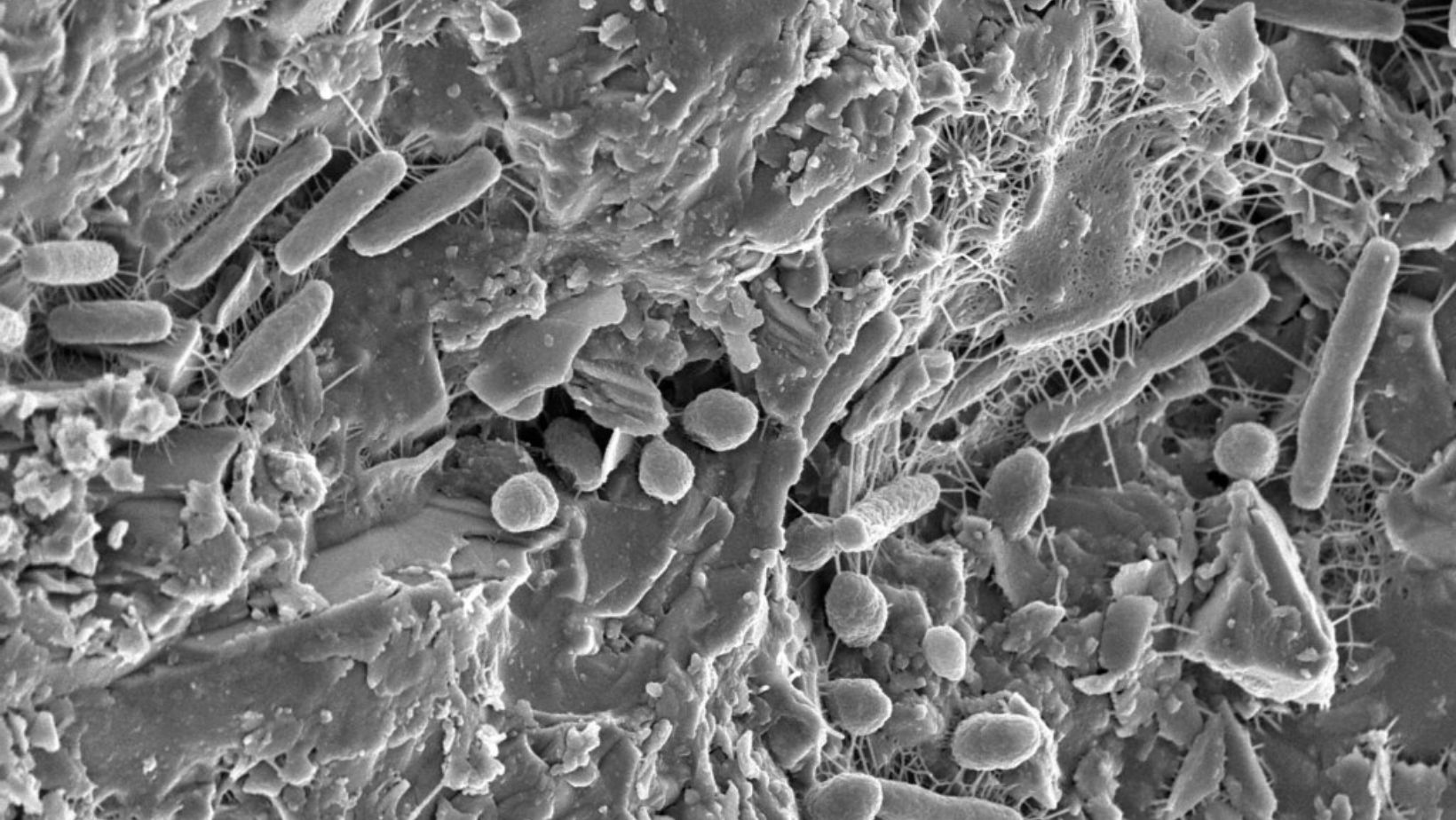
Of the 22 molecules studied, three stood out. These compounds, produced by bacteria from the red seabream, were particularly effective at inhibiting tyrosinase and collagenase. Even better, the molecules achieved these results without damaging the cultured cells they were tested on, making them promising candidates for safe and effective skincare products.
This discovery adds to a growing list of surprising places where scientists have uncovered valuable compounds. From the antibiotic properties of mold leading to penicillin to cancer drug candidates found in ocean sediments, nature continues to prove itself a treasure trove of solutions for human health—and now, beauty.
A New Era for Skincare Innovation?

While incorporating fish gut bacteria into skincare products might initially raise eyebrows, it’s not as far-fetched as it seems. Breakthroughs like snail mucin have gone from niche to mainstream, proving that the beauty industry is open to embracing the unconventional if it delivers results.
If further research confirms the safety and efficacy of these fish-derived molecules, they could become a cornerstone of future anti-aging and skin-brightening formulas. One thing is clear: science is willing to explore every avenue in the quest for youthful, glowing skin—no matter how unusual.
Reference: Jonghwan Kim, Su Jung Hwang, Gyu Sung Lee, Ju Ryeong Lee, Hye In An, Hong Sik Im, Minji Kim, Sang-Seob Lee, Hyo-Jong Lee, Chung Sub Kim. Collagenase and Tyrosinase Inhibitory Compounds from Fish Gut Bacteria Ruegeria atlantica and Pseudoalteromonas neustonica. ACS Omega, 2024.

