
Australia has one of the highest skin cancer rates in the world, with nearly 19,000 people diagnosed with invasive melanoma—the deadliest form of skin cancer—each year. While early detection significantly improves survival rates, no national screening program for melanoma exists. This raises an important question: why doesn’t Australia, often referred to as the “skin cancer capital of the world,” have a universal screening initiative?
Instead, the country has focused on skin protection, awareness, and targeted screening for high-risk individuals. But with national programs in place for breast, cervical, and bowel cancer—and a lung cancer screening program set to launch in 2025—many are wondering why melanoma isn’t included.
The Complexities of Universal Screening
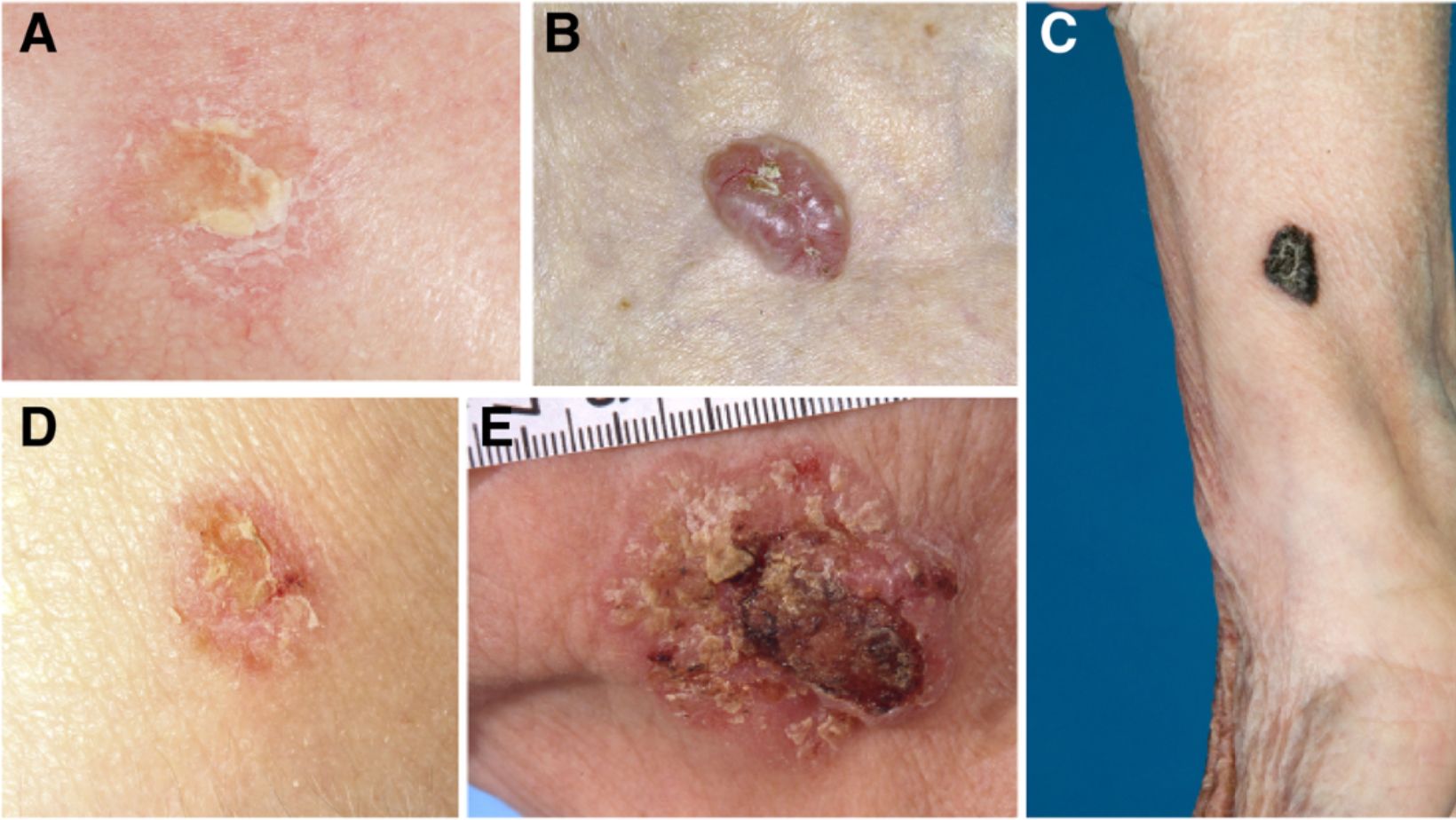
Implementing a nationwide melanoma screening program seems logical. However, experts argue that the issue is more complicated than it appears. One primary concern is overdiagnosis—detecting and treating slow-growing melanomas that may never have posed a real threat.
While universal screening likely identifies more cases, not all detected melanomas require aggressive treatment. Some may never become dangerous, meaning patients could undergo unnecessary surgeries, experience stress, and face potential complications from treatment. This raises the question: does universal screening save lives, or does it introduce more harm than benefit?
Cost vs. Effectiveness in Skin Cancer
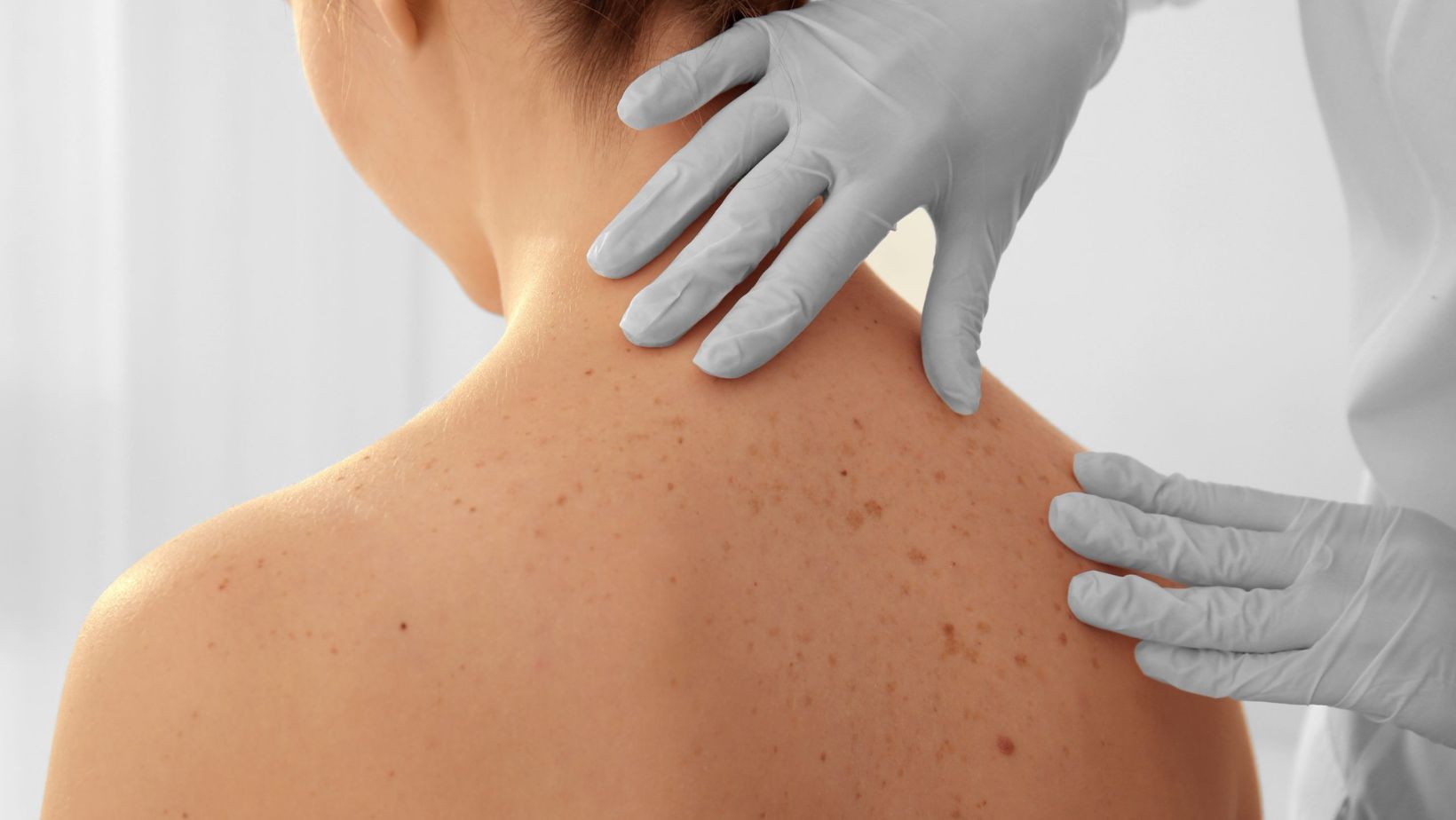
Another significant factor is a national screening program’s financial and logistical burden. Large-scale screening initiatives require substantial investment in medical infrastructure, trained professionals, and diagnostic tools. Health authorities must weigh whether this is the best use of resources, mainly when targeted screening of high-risk individuals has already proven effective.
People with fair skin, red hair, a history of sunburns, multiple moles, or a family history of melanoma are at a higher risk. They are encouraged to undergo regular skin checks. Research suggests that the public widely accepts a risk-based approach to melanoma screening and could offer a more efficient way to allocate healthcare resources.
Recognizing this, the Australian government recently pledged $10.3 million toward a targeted skin cancer screening program, which will focus on those most vulnerable.
Advances in Skin Cancer Detection

While a national screening program may not exist, technological advancements improve skin cancer detection and monitoring.
- 3D total body imaging is being explored to track changes in skin spots and moles over time.
- Artificial intelligence (AI) is being used to analyze images of skin lesions, assisting doctors in making more accurate diagnoses.
- Genetic testing can identify specific risk markers, allowing for more personalized screening approaches.
- Telehealth has increased access to dermatologists and skin cancer specialists, particularly for people living in rural and remote areas.
How to Check Your Skin
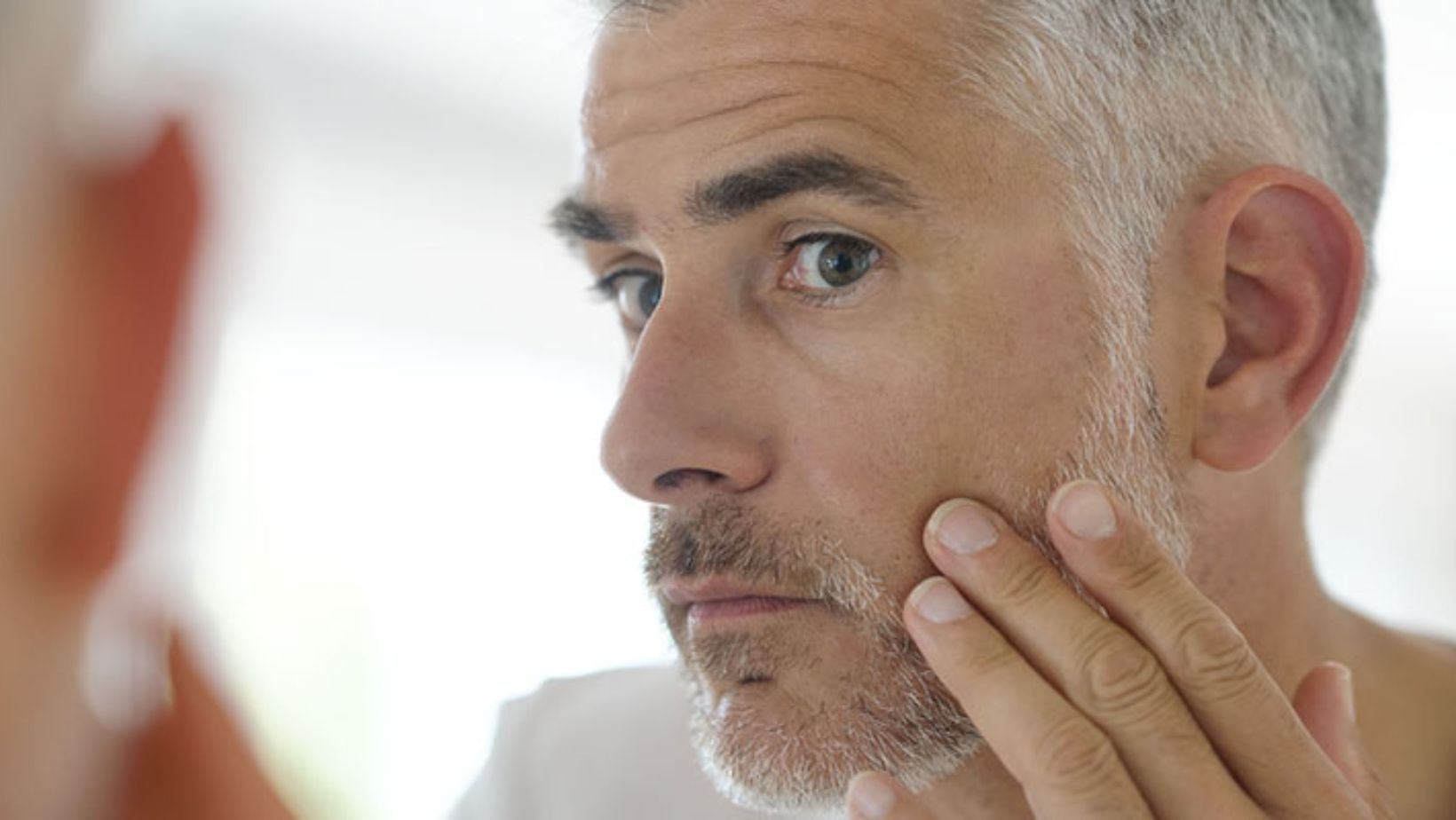
Regardless of screening programs, skin cancer can affect anyone, making self-awareness crucial. The Skin Cancer College Australasia recommends the SCAN method to help people identify potential warning signs:
- Sore – Spots that are scaly, itchy, bleeding, tender, or don’t heal within six weeks.
- Changing – Spots that alter in size, shape, color, or texture.
- Abnormal – Anything that looks or feels different from other spots on your body.
- New – Any newly appearing moles or spots, especially after age 40.
- Individuals should seek medical advice immediately if any changes are noticed.
A Targeted Approach Moving Forward

Australia continues to focus on prevention, education and targeted screening rather than universal melanoma screening. With new technologies emerging and more funding being directed toward high-risk individuals, the country is taking steps to combat skin cancer without implementing a full-scale national program. However, as research continues, the approach to melanoma screening may evolve in the years to come.
Reference: American Academy of Dermatology Association [Internet]. Des Plaines (IL): American Academy of Dermatology; c2022. What to expect at a skin cancer screening; [cited 2022 Oct 12]; [about 2 screens]. Available from: https://www.aad.org/public/public-health/skin-cancer-screenings/what-to-expect


