
A new study from Cornell University proves that highly pathogenic avian influenza (H5N1)or Bird Flu has spread beyond birds and is now transmitted between mammals, including dairy cattle. The research also confirms cases of the virus spreading from cows to cats and a raccoon. This marks a significant development in the virus’s evolution.
The study, published in Nature, is among the first to document sustained mammal-to-mammal transmission of H5N1. Researchers stress that while no signs of mutations would make the virus more transmissible to humans, continued monitoring is essential.
Bird Flu Spreads Among Dairy Cattle

Since H5N1 was first detected in U.S. birds in January 2022, the virus has caused the deaths of more than 100 million domestic and wild birds. Scientists at Cornell and Texas A&M Veterinary Medical Diagnostic Laboratory first identified infections in dairy cattle.
Researchers believe the outbreak in cows began with contact with infected wild birds.
The virus has been linked to reduced appetite, respiratory distress, digestive issues, and a significant drop in milk production. Testing revealed high viral loads in the mammary glands of affected cattle, and infected cows were found to shed the virus through their milk.
Using genome sequencing, researchers confirmed that the virus spread from infected cows in Texas to healthy cows in Ohio after livestock were transported between farms. Additionally, the study documented cases of the virus being transmitted to cats and a raccoon. Most likely through consumption of raw milk from infected cows. Wild birds found dead on affected farms also tested positive for the virus, though researchers are still investigating how they were exposed.
Human Cases Remain Limited but Monitored
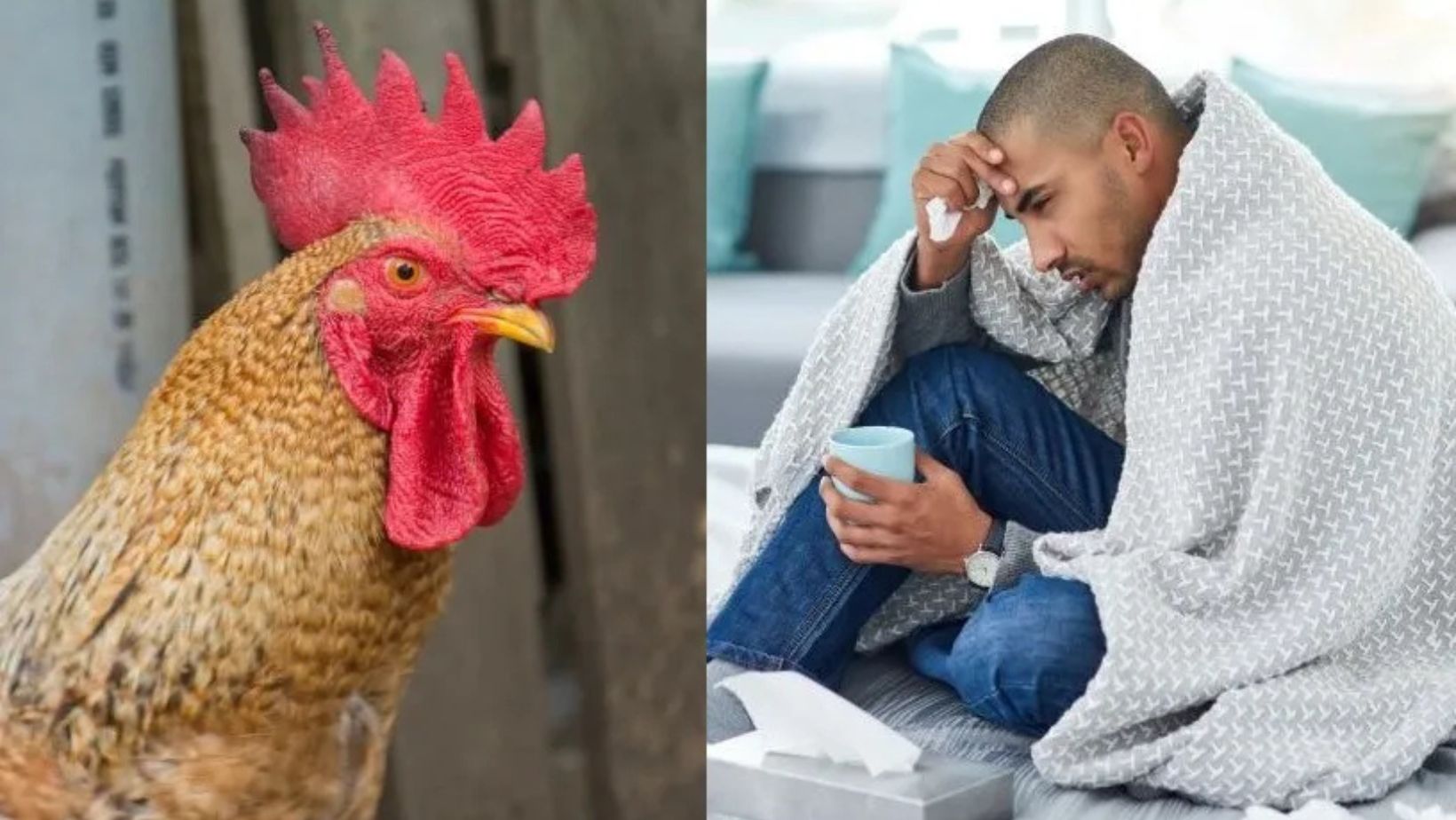
So far, 11 human cases of H5N1 have been reported in the U.S. since April 2022. Four were linked to dairy farms, and seven were connected to poultry farms. The most recent cases, detected in Colorado, involved the same strain found in dairy cattle, suggesting a potential link to infected farms in the area. Bird Flu
While human infections have remained rare and resulted in only mild symptoms, scientists caution that the virus could evolve. “The concern is that potential mutations could arise that could lead to adaptation in mammals, spillover into humans, and efficient human-to-human transmission in the future,” said Diego Diel, associate professor of virology at Cornell and co-author of the study.
Monitoring and Biosecurity Measures Recommended
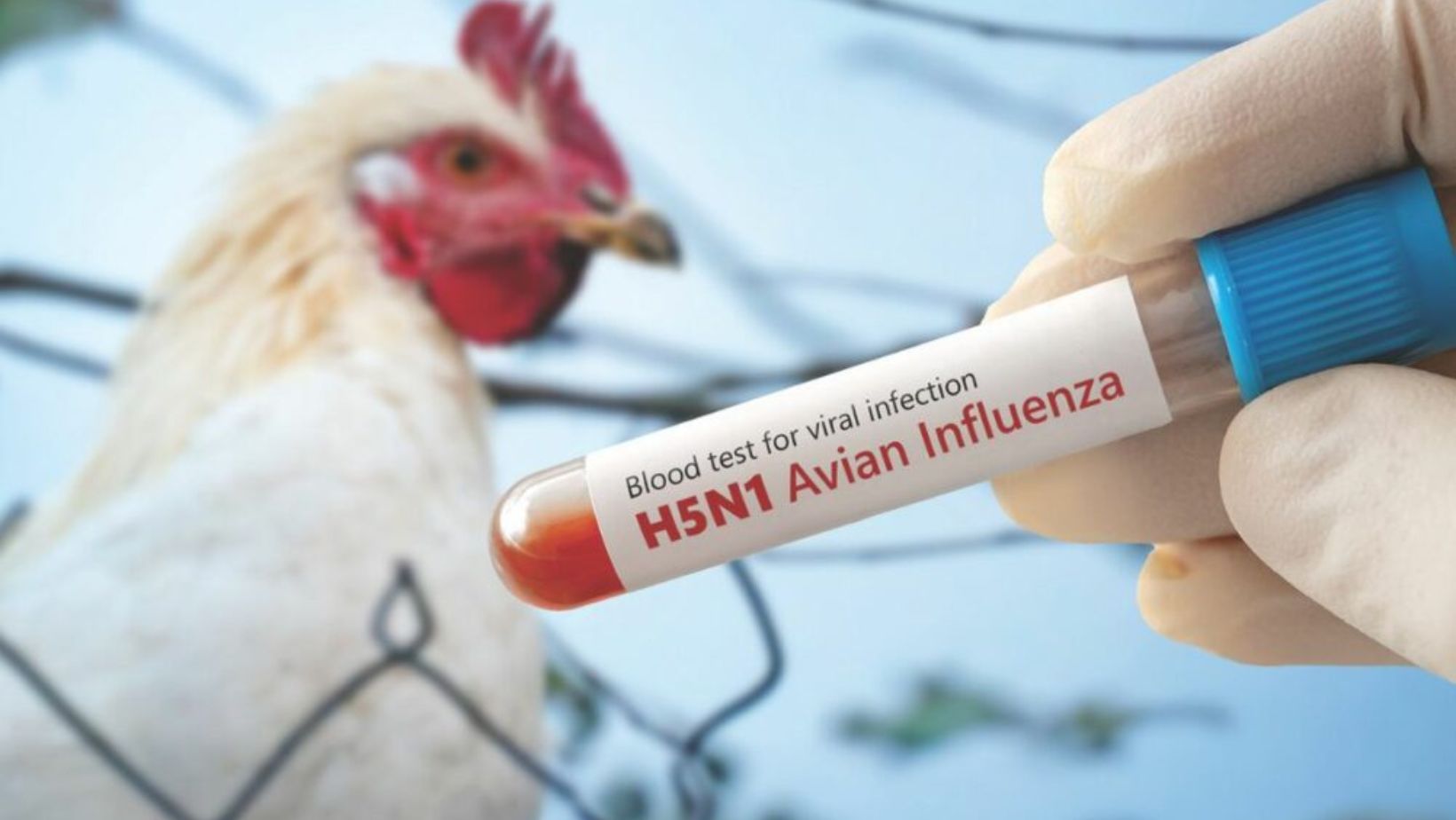
The U.S. Department of Agriculture has implemented free H5N1 testing programs for cattle farmers to prevent further spread. Researchers emphasize the importance of early testing, enhanced biosecurity, and quarantining affected animals to contain the virus.
Diel and his team stress that while the current risk to humans remains low, the situation requires ongoing surveillance. Continued study of the virus’s evolution in mammals will be key to understanding its potential impact on public health and agriculture.
Reference: Caserta, L.C., Frye, E.A., Butt, S.L. et al. Spillover of highly pathogenic avian influenza H5N1 virus to dairy cattle. Nature, 2024.


