
In a growing push to rein in the power of significant technology companies, lawmakers from both sides of the aisle are intensifying efforts to introduce stricter regulations on Big Tech. Concerns over data privacy, monopolistic practices, and the spread of misinformation have reignited debates over how much influence these companies should wield.
A Bipartisan Effort to Challenge Big Tech

Despite political divides on many issues, both Republican and Democratic lawmakers are finding common ground when it comes to addressing the dominance of companies like Google, Meta, Amazon, and Apple. Recent hearings have seen tech executives grilled over their handling of consumer data, competitive practices, and their role in shaping public discourse.
Senator Elizabeth Warren (D-MA) has long advocated for breaking up tech giants, arguing that their monopolistic control stifles competition and harms small businesses. Meanwhile, conservatives have accused platforms of suppressing certain viewpoints, pushing for greater transparency and accountability.
Proposed Legislation and Potential Impacts
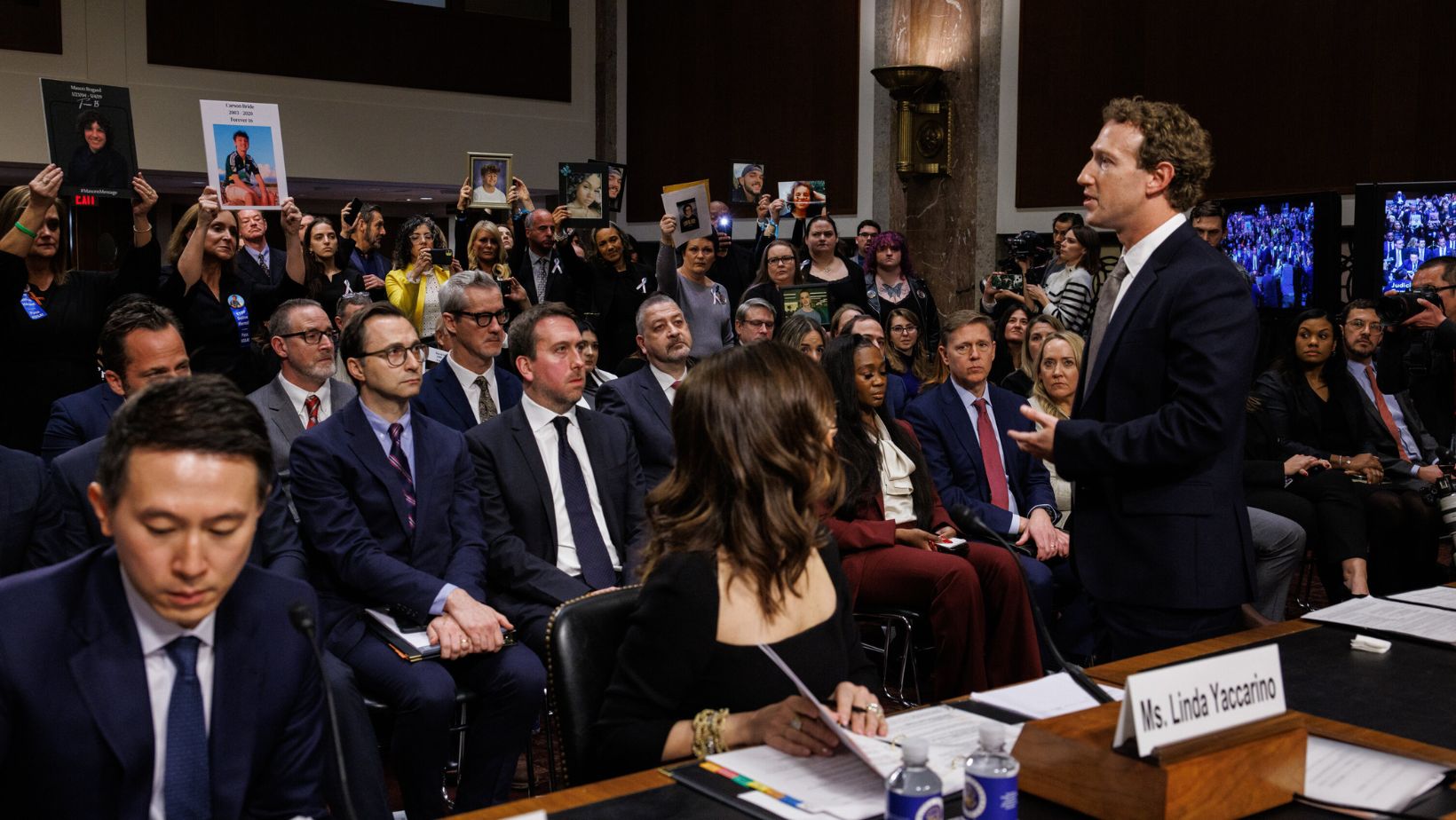
Several bills are going through Congress to impose new restrictions on Big Tech. The American Innovation and Choice Online Act seeks to prevent large platforms from favoring their products over competitors. Another proposal, the Kids Online Safety Act, focuses on protecting minors from harmful content and addictive algorithms.
If enacted, these regulations could significantly alter the digital landscape, forcing companies to change their business models. Stricter antitrust measures may lead to the breakup of certain conglomerates, while enhanced data privacy laws could limit how companies collect and use consumer information.
Industry Pushback and the Future of Regulation

Unsurprisingly, tech companies are pushing against these efforts, warning that increased regulations could stifle innovation and limit user experiences. Lobbyists representing Silicon Valley have argued that many of these proposals could have unintended consequences, including weakening security measures and reducing access to free services.
As the debate continues, the outcome remains uncertain. However, with mounting public pressure and growing political momentum, Big Tech is facing its most serious regulatory challenge in years. Whether these efforts will lead to meaningful reform or stall amid corporate resistance is yet to be seen.
Reference: Naseem Salahuddin, Epifanio Sanchez Garavito, Kwonjune J. Seung, Eduardo Ticona, Lorenzo Trippa, Dante E. Vargas Vasquez, Sean Wasserman, Michael L. Rich, Francis Varaine, Carole D. Mitnick. Oral Regimens for Rifampin-Resistant, Fluoroquinolone-Susceptible Tuberculosis. New England Journal of Medicine, 2025.


