
Researchers at the University of Houston have developed two innovative nasal treatments that could significantly improve the prevention and treatment of respiratory viruses, including COVID-19 and influenza. In two back-to-back papers published in Nature Communications, the team introduced NanoSTING, a broad-spectrum nasal spray that activates the immune system, and NanoSTING-SN, a nasal vaccine designed to protect against all coronaviruses, including emerging variants.
NanoSTING: A Broad-Spectrum Nasal Spray for Respiratory Viruses Defense
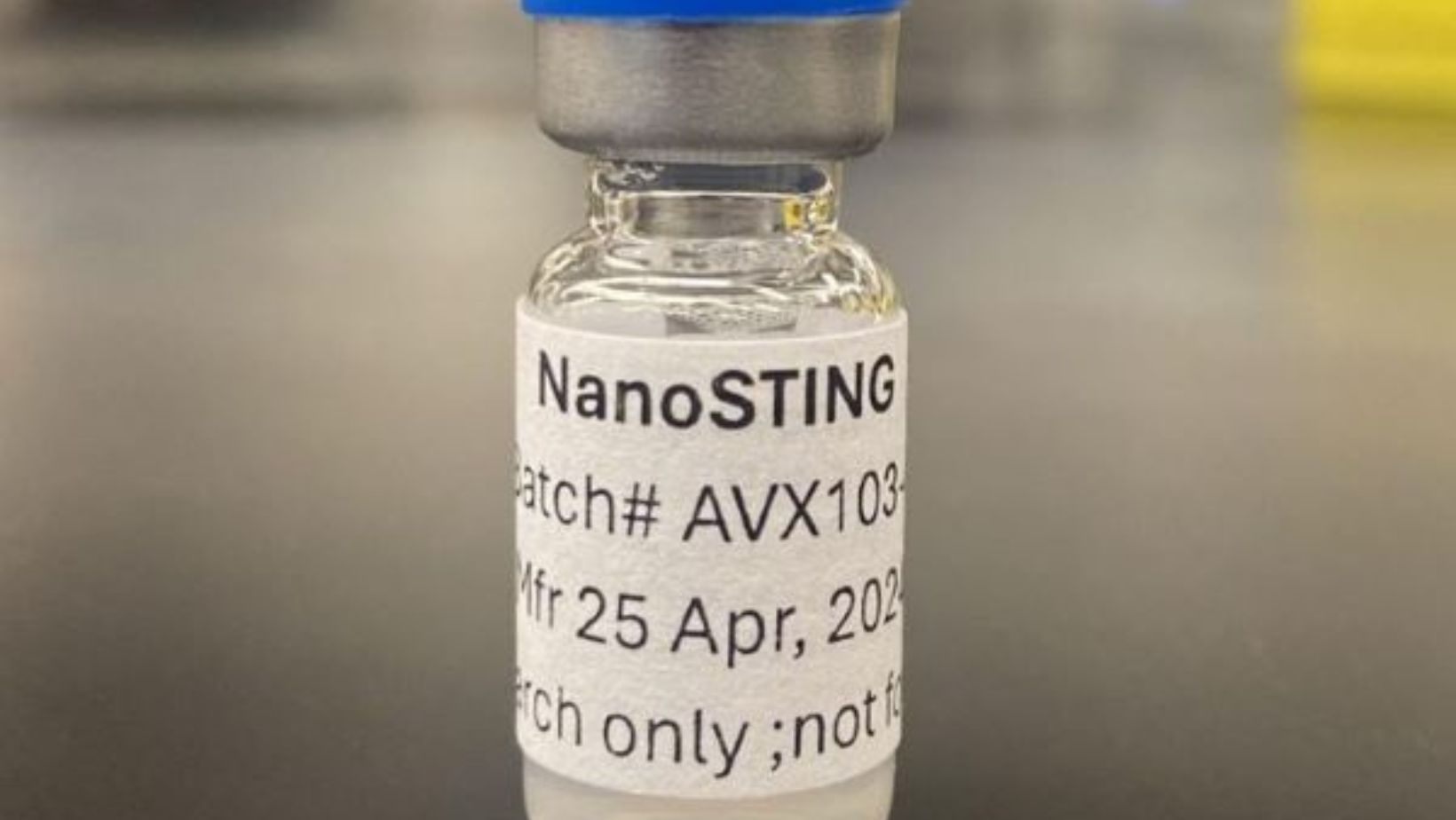
NanoSTING is a novel nasal spray that enhances the immune system’s response to respiratory viruses. Using tiny fat droplets to deliver the immune-boosting molecule cGAMP, the spray helps cells stay alert, preventing infection from various viruses, including SARS-CoV-2 and influenza.
“Using multiple models, the team demonstrated that a single treatment with NanoSTING not only protects against pathogenic strains of SARS-CoV-2 but also prevents transmission of highly transmissible variants like the Omicron variants,” said lead researcher Navin Varadarajan, M.D. Anderson Professor of Chemical and Biomolecular Engineering. “Delivery of NanoSTING to the nose ensures that the immune system is activated in the nasal compartment, preventing infection from viruses.”
The study also found that NanoSTING is effective against both Tamiflu-sensitive and Tamiflu-resistant strains of influenza, making it a promising option for flu treatment. Unlike traditional antivirals requiring multiple doses, NanoSTING requires only one application.
NanoSTING-SN: A Universal Nasal Vaccine for Coronaviruses
In addition to NanoSTING, the team developed NanoSTING-SN, a nasal vaccine that protects against COVID-19 and related coronaviruses. While intramuscular COVID-19 vaccines help prevent severe disease, they are less effective at stopping infections or transmission. NanoSTING-SN aims to fill that gap.
“Using multiple preclinical models, the team demonstrated that the vaccine candidate protects the primary host from disease when challenged with highly pathogenic variants,” said Varadarajan. “Significantly, the vaccine also prevents transmission of highly transmissible variants like the Omicron variants to vaccine-naïve hosts.”
The study showed that NanoSTING-SN was 100% effective in preventing the transmission of Omicron variants to unvaccinated hosts. Researchers believe this vaccine could be a step toward ending the cycle of viral evolution and transmission, especially for immunocompromised individuals.
Potential for Future Pandemic Preparedness

These nasal treatments develop at a time when respiratory viruses continue to pose significant public health challenges. Despite widespread COVID-19 vaccination efforts, the virus mutates, requiring frequent vaccine updates.
“The ability to prevent infections and transmission might finally end this cycle of onward transmission and viral evolution in immunocompromised people,” said first author and postdoctoral associate Ankita Leekha.
The research was conducted by a collaborative team at the University of Houston, including researchers from the College of Pharmacy and College of Optometry, in partnership with Utah State University and AuraVax Therapeutics, a spinoff from Varadarajan’s Single Cell Lab at UH. AuraVax is currently working to develop NanoSTING for broader clinical use.
With further testing and clinical trials, NanoSTING and NanoSTING-SN could represent a breakthrough in the fight against respiratory viruses, offering new ways to prevent infections and limit their spread.
Reference: Ankita Leekha, Arash Saeedi, Monish Kumar, K. M. Samiur Rahman Sefat, Melisa Martinez-Paniagua, Hui Meng, Mohsen Fathi, Rohan Kulkarni, Kate Reichel, Sujit Biswas, Daphne Tsitoura, Xinli Liu, Laurence J. N. Cooper, Courtney M. Sands, Vallabh E. Das, Manu Sebastian, Brett L. Hurst, Navin Varadarajan. An intranasal nanoparticle STING agonist protects against respiratory viruses in animal models. Nature Communications, 2024.


