
A new study funded by the National Institutes of Health (NIH) suggests that previous flu infections. This may enhance the effectiveness of future influenza vaccinations. Researchers at the University of Georgia (UGA) found that natural immunity plays a crucial role in shaping the body’s response to flu vaccines, potentially leading to more potent protection against the virus.
Natural Infection May Boost Future Immunity
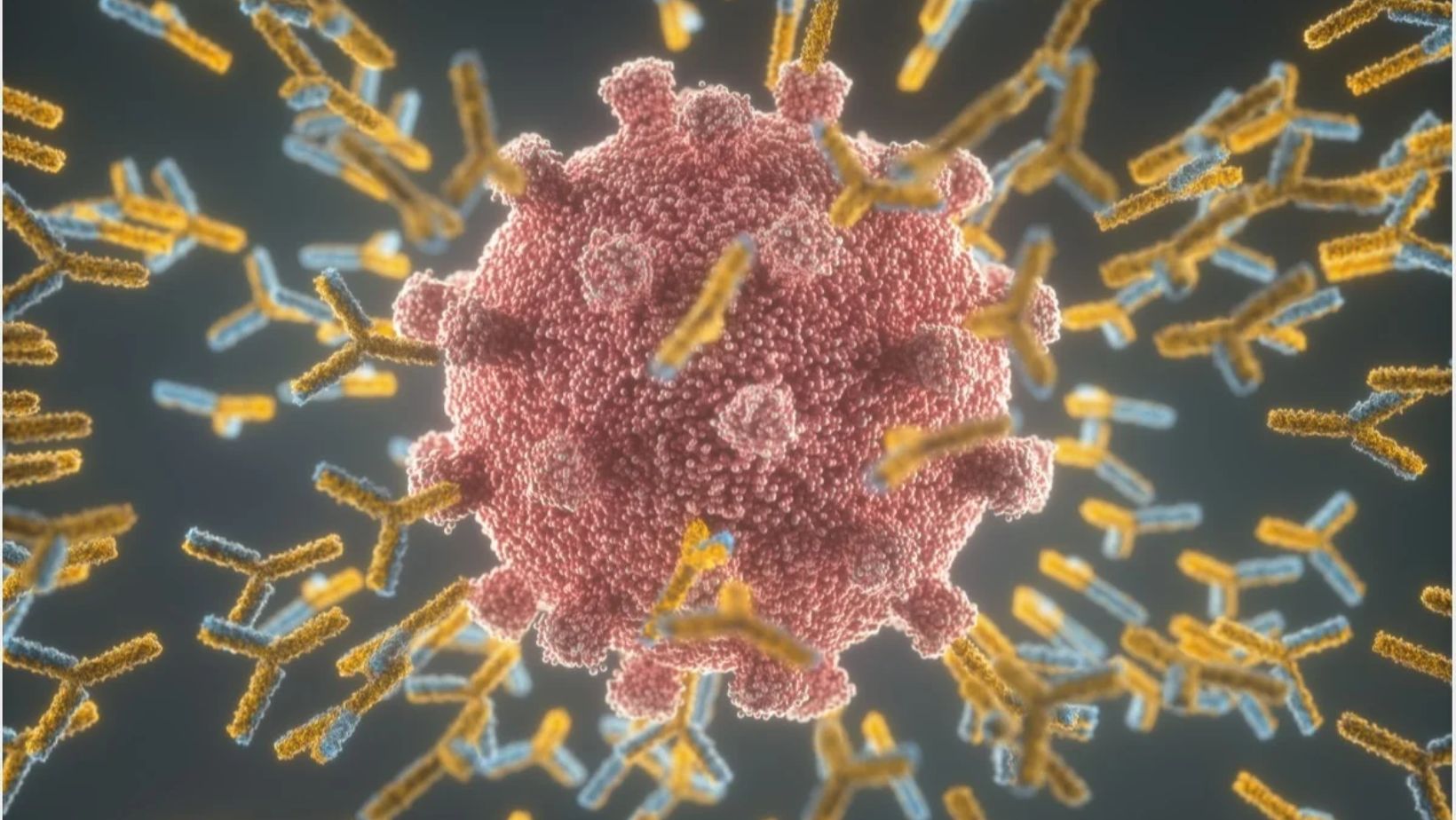
Each flu season, the influenza vaccine is designed to target specific strains of the virus, but vaccine effectiveness can vary due to the flu’s ability to evolve rapidly. According to the Centers for Disease Control and Prevention (CDC), approximately one in five Americans contracts the flu yearly. While flu infections are typically seen as a burden, the new research suggests there may be an unexpected benefit.
“Overall, the preexisting immunity you develop through natural infection helps to strengthen immune responses,” said Ye Shen, the study’s corresponding author and a professor at the UGA College of Public Health. “Before this study, we didn’t fully understand how preexisting immunity through natural infection with different influenza strains changes vaccine-elicited immune responses. Now we better understand how preexisting immunity to influenza influences immune responses to different types of vaccines.”
Preexisting Immunity Improves Flu Vaccines Response

The researchers tested vaccines targeting various flu strains in animal models. They found that when animals were previously infected with one strain of influenza, their immune response to a vaccine targeting that strain was significantly more potent. More notably, immunity improved when the animals were vaccinated against a different flu strain after the initial infection.
Combining natural immunity and vaccination can provide broader protection against multiple flu strains. In contrast, animals that were only vaccinated, without prior exposure to the virus, were more likely to require a booster shot for sufficient protection.
“In some years, we don’t have excellent protection from the vaccine because of a mismatch between the predicted and circulating strains,” Shen said. “People have started to worry about whether the shot protects them from the flu because of that. With this study, though, we see benefits of having preexisting immunity, and that’s good to know.”
Implications for a Universal Flu Vaccine

The findings are part of a more significant, seven-year NIH-funded effort to develop a universal flu vaccine, particularly for vulnerable populations. Unlike current flu shots, which are reformulated yearly, a universal vaccine would provide long-lasting protection against various influenza strains. Flu Vaccines
“Our future studies will further explore more clinically relevant outcomes, including actual human infections,” Shen said. “It may not be enough just to push your antibodies higher. Is that enough to protect you from mutations of different influenza strains? This is where individual-level heterogeneity becomes important, which remains an ongoing area of research.” Flu Vaccines
The study, published in Vaccine, was co-authored by Yao Lu, Andreas Handel, Ted Ross, and additional researchers from the UGA College of Public Health and the UGA College of Veterinary Medicine. Their findings offer new insights into how natural immunity could be leveraged to improve flu vaccine effectiveness, bringing scientists closer to a more comprehensive approach to influenza prevention.
Reference: Yang Ge, Yao Lu, James D. Allen, Tal Einav, Dennis I. Nkaleke, Fengwei Bai, Andreas Handel, Ted M. Ross, Ye Shen. Pre-existing immunity to influenza aids ferrets in developing stronger and broader H3 vaccine-induced antibody responses. Vaccine, 2024.


